White Rice VS Purple Rice
A detailed nutritional comparison
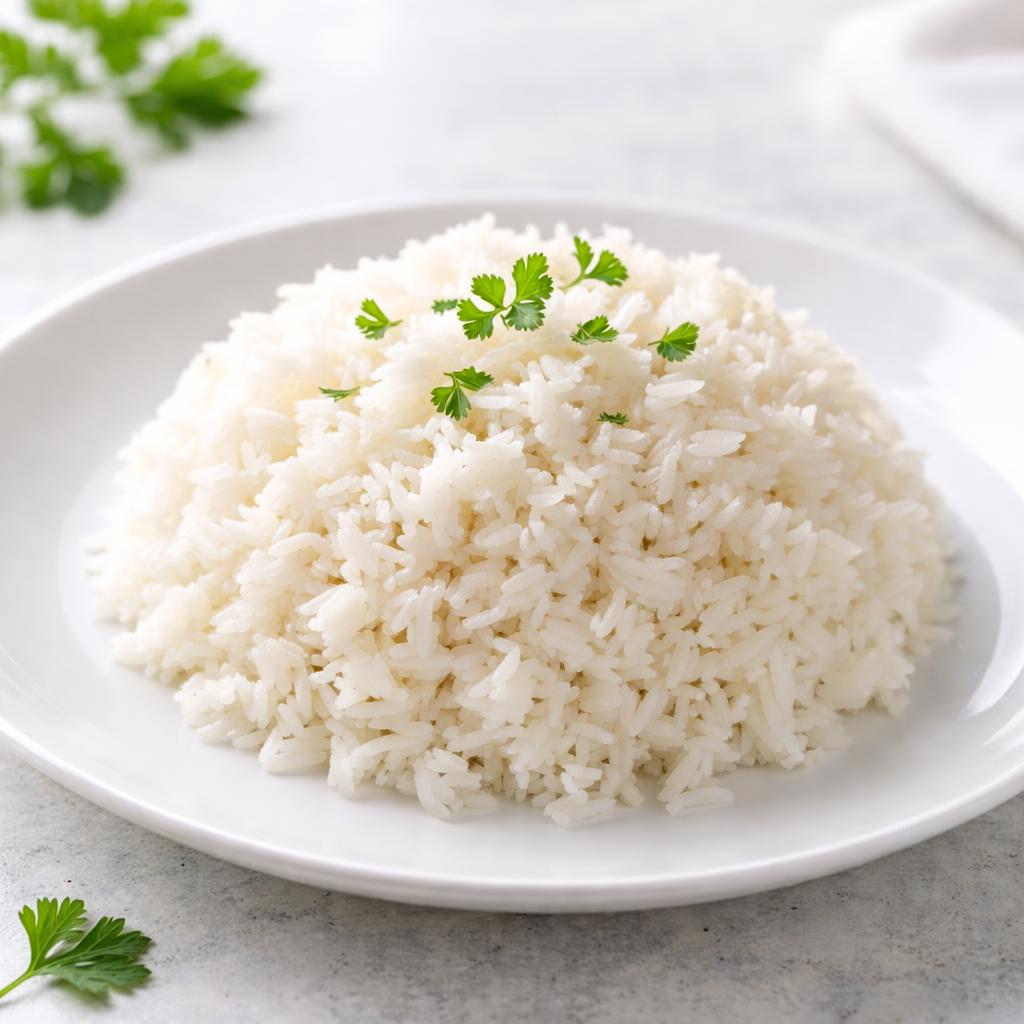
White Rice
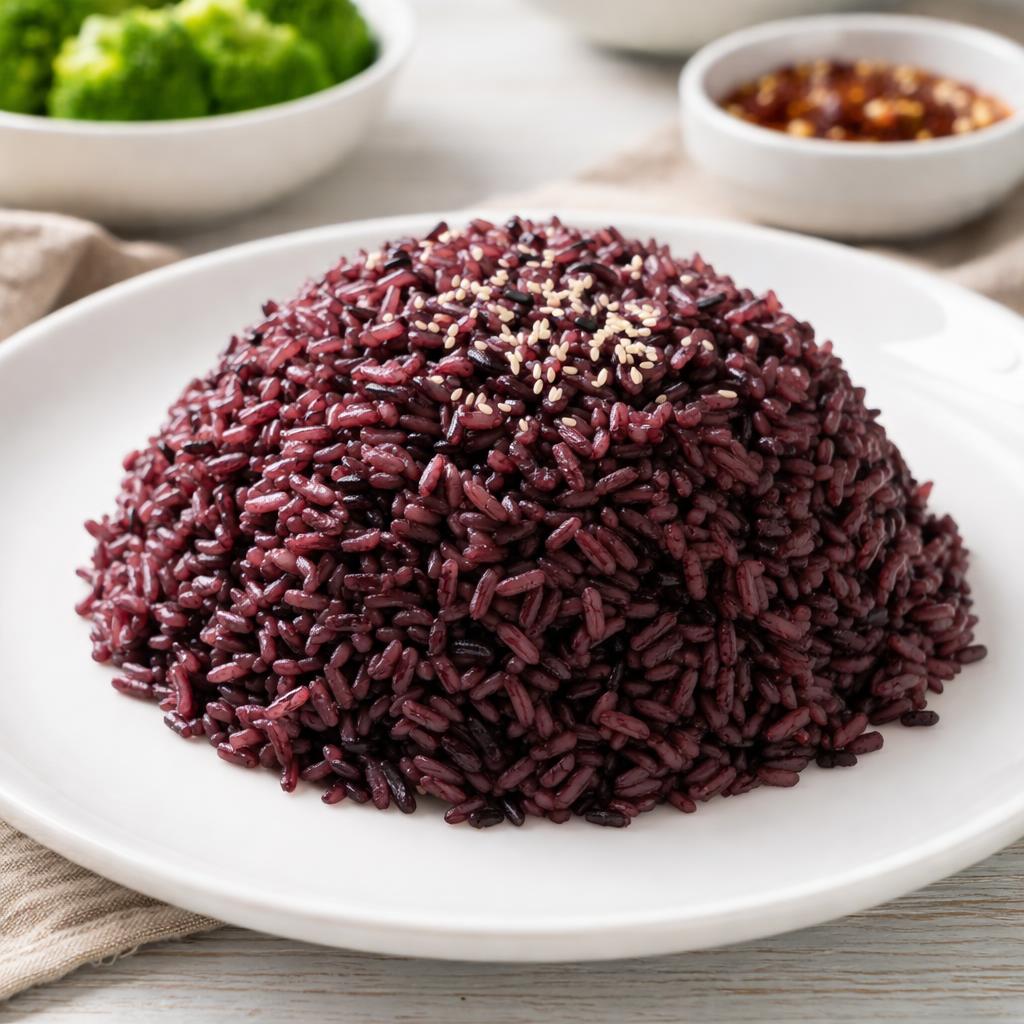
Purple Rice
🎯 Quick Verdict
Purple rice offers more protein, fiber, and antioxidants compared to white rice, making it the nutrient-dense choice. White rice has fewer calories and a milder flavor, which may be preferable for individuals seeking light carbs or easily digestible options. Purple rice is better for overall nutrition, while white rice is good for energy replenishment without added nutrients.

Smart Nutrition Tracking with SnapCalorie

📊 Nutritional Comparison
Macronutrients
| Nutrient | Food 1 | Food 2 | Winner |
|---|---|---|---|
| Calories | 130 | 165 | ✓ |
| Protein | 2.7g | 5.5g | ✓ |
| Carbs | 28.5g | 34g | ✓ |
| Fat | 0.3g | 1.1g | ✓ |
| Fiber | 0.4g | 2.9g | ✓ |
Vitamins & Minerals
| Nutrient | Food 1 | Food 2 | Winner |
|---|---|---|---|
| Vitamin D | 0mcg | 0mcg | − |
| Calcium | 10mg | 15mg | ✓ |
| Iron | 0.1mg | 1.1mg | ✓ |
| Antioxidants | Low | High (anthocyanins) | ✓ |
🏆 Category Winners
Protein
Food2 has over double the protein (5.5g vs 2.7g).
Fiber
Food2 has significantly more fiber (2.9g vs 0.4g).
Calories
Food1 has fewer calories per serving (130 vs 165).
Vitamins
Food2 provides more calcium, iron, and antioxidants compared to food1.
🥗 Diet Compatibility
Keto
Food 1: Not Compatible
Food 2: Not Compatible
Both foods have high carbohydrate content.
Vegan
Food 1: Compatible
Food 2: Compatible
Both can be included in a plant-based diet.
Gluten Free
Food 1: Compatible
Food 2: Compatible
Neither contains gluten.
Paleo
Food 1: Not Recommended
Food 2: Not Recommended
Rice is generally excluded from strict paleo diets.
Low Carb
Food 1: Not Compatible
Food 2: Not Compatible
Both foods are high in carbohydrates and unsuitable for low-carb diets.
💪 Health Benefits Comparison
Food 1 Benefits
- Good energy source due to high carbohydrate content
- Easily digestible, ideal for sensitive stomachs
- Suitable for quick energy replenishment
Food 2 Benefits
- Higher fiber content supports digestion and gut health
- Rich in anthocyanins, which are potent antioxidants
- Provides more protein for muscle maintenance
- Better mineral content supports bone and blood health
✅ The Bottom Line
Choose white rice if you need a lower-calorie option or an easily digestible carbohydrate source for quick energy. Opt for purple rice when seeking balanced nutrition, including higher protein, fiber, and antioxidant benefits. Purple rice is the better choice for overall health enhancement and nutrient density.
Choose Food 1 for: Light meals, digestive sensitivity, quick energy needs
Choose Food 2 for: Balanced diets, gut health, antioxidant benefits


