White Rice VS Pulled Pork
A detailed nutritional comparison
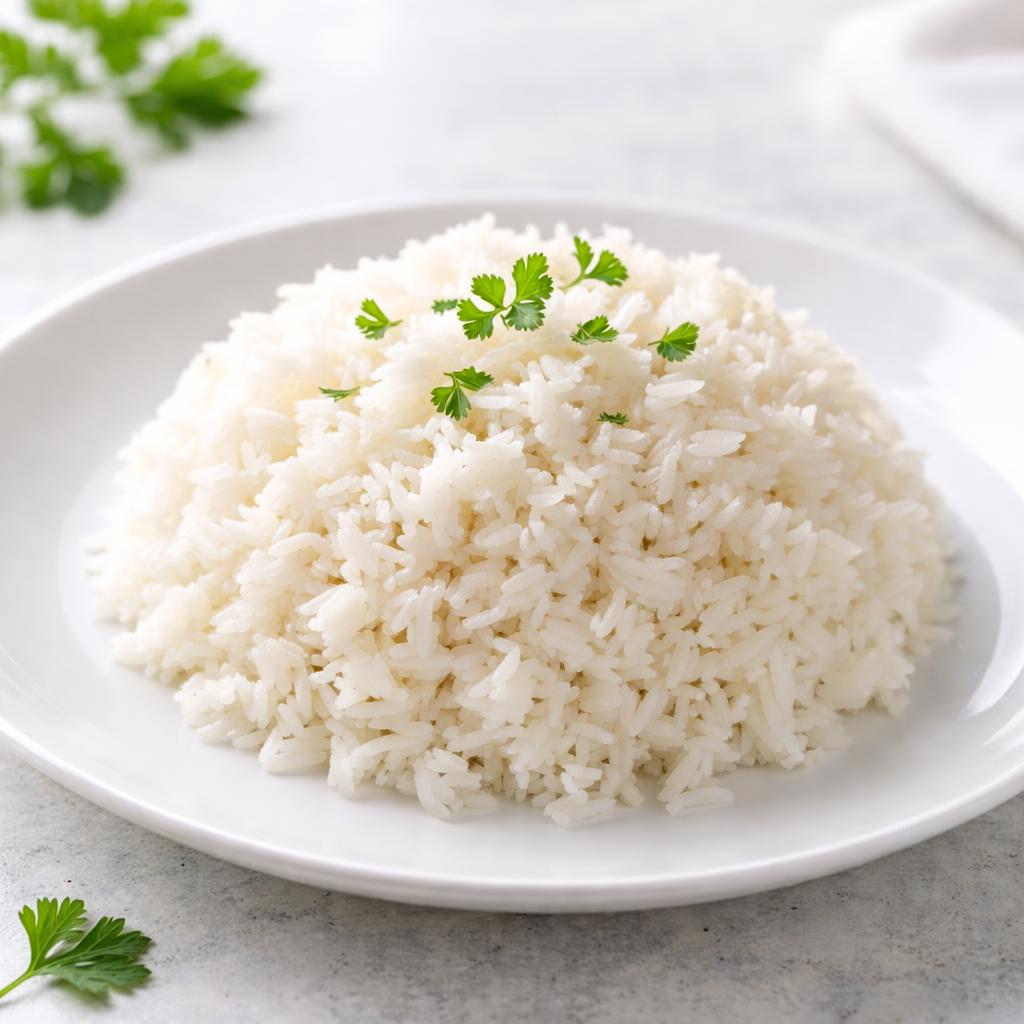
White Rice
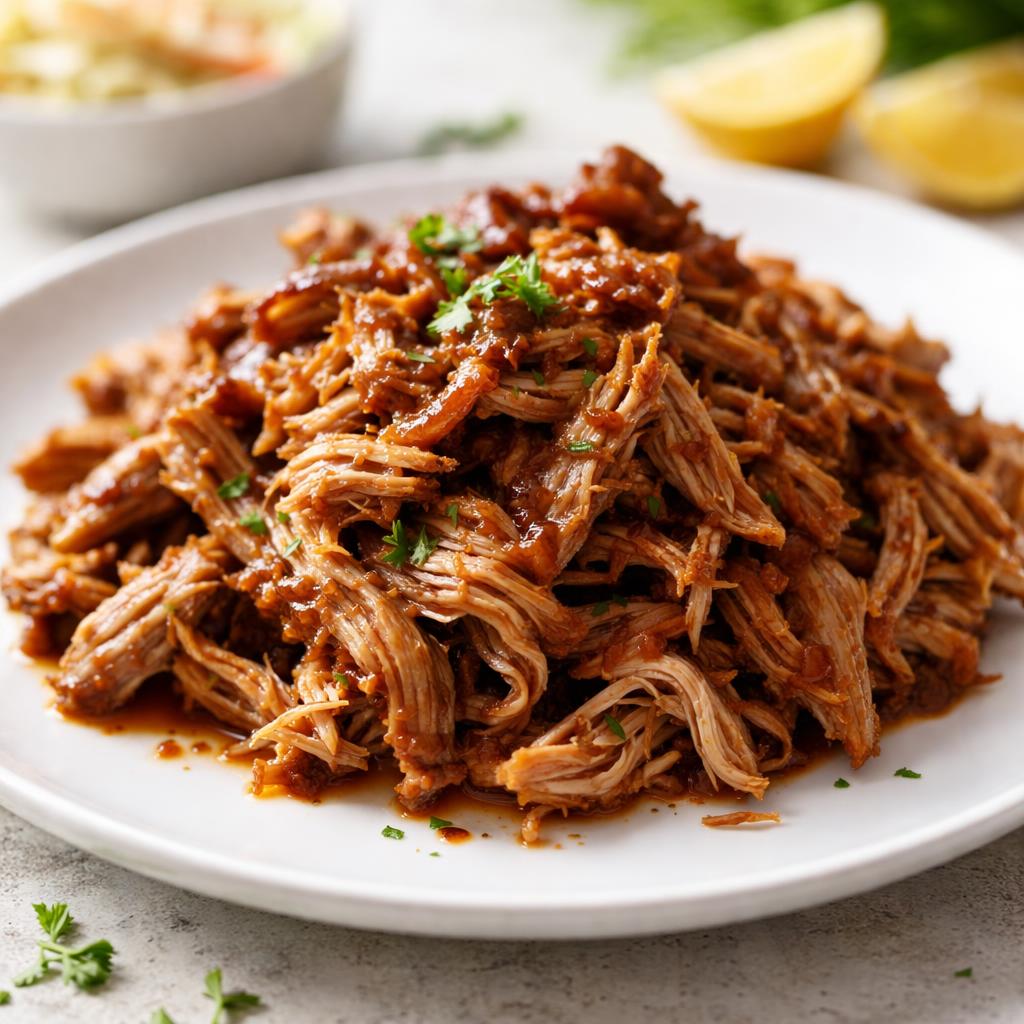
Pulled Pork
🎯 Quick Verdict
White rice and pulled pork have very different nutritional profiles. Pulled pork is significantly higher in protein, healthy fats, and nutrient density, making it ideal for high-protein diets. White rice is lower in calories and provides more fiber, making it suitable for those looking for a quick energy source or lighter food option.

Smart Nutrition Tracking with SnapCalorie

📊 Nutritional Comparison
Macronutrients
| Nutrient | Food 1 | Food 2 | Winner |
|---|---|---|---|
| Calories | 130 per 100g | 210 per 100g | ✓ |
| Protein | 2.7g per 100g | 27g per 100g | ✓ |
| Carbs | 28g per 100g | 0g per 100g | ✓ |
| Fat | 0.3g per 100g | 9g per 100g | ✓ |
| Fiber | 0.4g per 100g | 0g per 100g | ✓ |
Vitamins & Minerals
| Nutrient | Food 1 | Food 2 | Winner |
|---|---|---|---|
| Vitamin D | 0mcg | 0.5mcg | ✓ |
| Calcium | 10mg | 20mg | ✓ |
| Iron | 0.2mg | 1.5mg | ✓ |
🏆 Category Winners
Protein
Pulled pork provides approximately 10 times more protein per serving compared to white rice.
Fiber
White rice contains some dietary fiber, whereas pulled pork does not.
Calories
White rice has around 38% fewer calories per 100g than pulled pork.
🥗 Diet Compatibility
Keto
Food 1: Not Compatible
Food 2: Compatible
Pulled pork is low in carbs, while white rice is high-carb.
Vegan
Food 1: Compatible
Food 2: Not Compatible
White rice fits a vegan diet, whereas pulled pork does not.
Gluten Free
Food 1: Compatible
Food 2: Compatible
Both foods are naturally free of gluten.
Paleo
Food 1: Not Compatible
Food 2: Compatible
Pulled pork aligns with paleo principles, while white rice is excluded in strict paleo diets.
Low Carb
Food 1: Not Compatible
Food 2: Compatible
Pulled pork is very low in carbs, while white rice has a high carbohydrate content.
💪 Health Benefits Comparison
Food 1 Benefits
- Provides quick energy due to high carbohydrate content
- Low in fat and calories for a lighter meal option
- Supports digestion with small amounts of dietary fiber
Food 2 Benefits
- High-quality protein for muscle repair and maintenance
- Contains healthy fats that support heart health
- Rich in iron for maintaining energy levels and reducing fatigue
- Great for keto and low-carb diets due to zero carbohydrate content
✅ The Bottom Line
Pulled pork is the clear choice for high-protein, low-carb, and nutrient-dense diets. White rice is simpler, lower-calorie, and useful for quick energy in higher-carb lifestyles. Choose pulled pork for building muscle or adhering to keto/paleo diets, and opt for rice when you need an affordable carb source for active lifestyles.
Choose Food 1 for: Quick energy, low-fat diets, vegan lifestyles
Choose Food 2 for: Muscle building, keto/paleo diets, nutrient density


