White Rice VS Potato
A detailed nutritional comparison
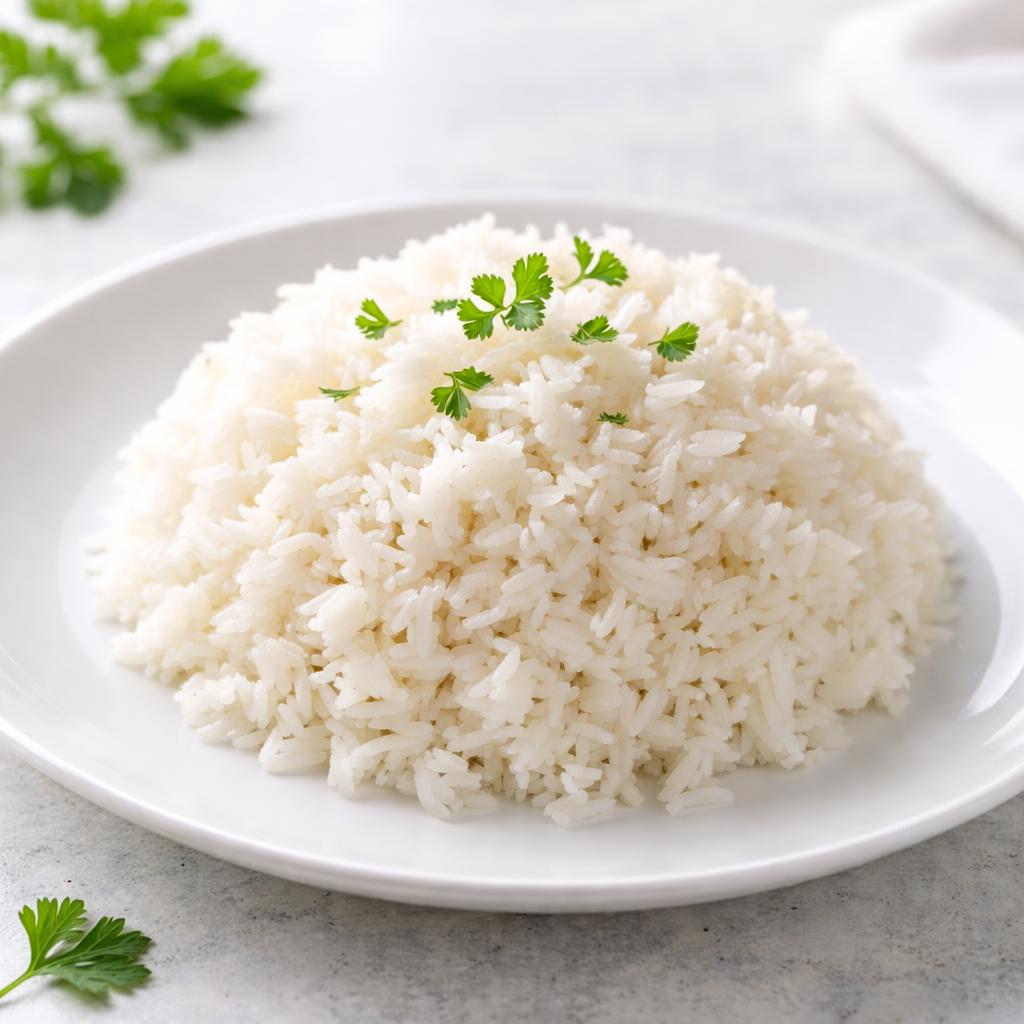
White Rice
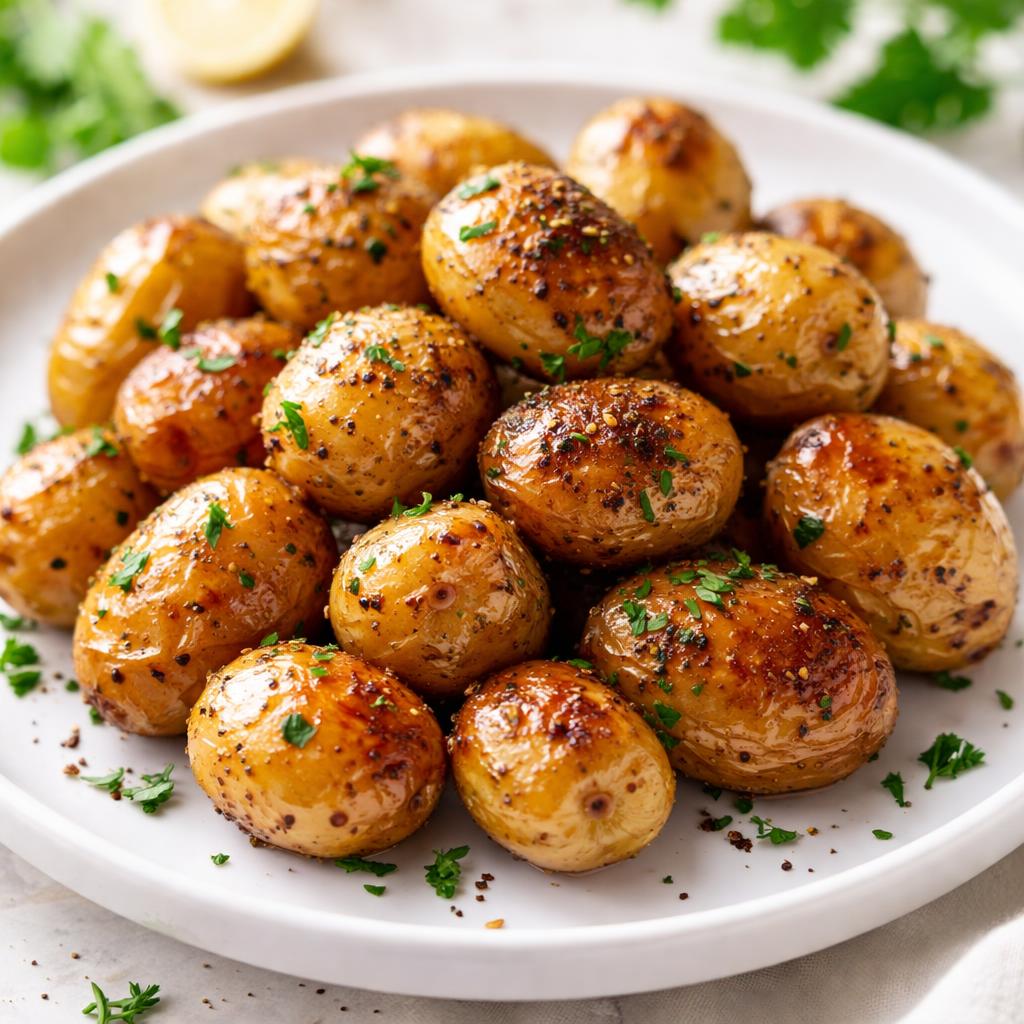
Potato
🎯 Quick Verdict
White rice and potatoes differ significantly nutritionally. Potatoes are higher in fiber and protein, making them a more nutrient-dense option overall. However, white rice is lower in fat and ideal for quick energy needs. Choose white rice for simple carbohydrate loading, and potatoes for added vitamins and sustained fullness.

Smart Nutrition Tracking with SnapCalorie

📊 Nutritional Comparison
Macronutrients
| Nutrient | Food 1 | Food 2 | Winner |
|---|---|---|---|
| Calories | 130 | 130 | − |
| Protein | 2g | 3g | ✓ |
| Carbs | 28g | 30g | ✓ |
| Fat | 0.3g | 0.2g | ✓ |
| Fiber | 0g | 2g | ✓ |
Vitamins & Minerals
| Nutrient | Food 1 | Food 2 | Winner |
|---|---|---|---|
| Vitamin C | 0mg | 20mg | ✓ |
| Potassium | 35mg | 400mg | ✓ |
| Iron | 0.2mg | 0.8mg | ✓ |
🏆 Category Winners
Protein
Potatoes contain 50% more protein than white rice.
Fiber
Potatoes provide 2g of fiber compared to none in white rice.
Calories
Both contain 130 calories per 100g serving.
Vitamins
Potatoes are significantly higher in vitamin C, potassium, and iron than white rice.
🥗 Diet Compatibility
Keto
Food 1: Not Compatible
Food 2: Not Compatible
Both are high-carb and not suitable for keto diets.
Vegan
Food 1: Compatible
Food 2: Compatible
Both are plant-based foods suitable for vegan diets.
Gluten Free
Food 1: Compatible
Food 2: Compatible
Neither contains gluten.
Paleo
Food 1: Not Compatible
Food 2: Compatible
White rice is excluded in paleo diets, but potatoes are allowed.
Low-Carb
Food 1: Not Compatible
Food 2: Not Compatible
Both have over 25g of carbs per serving, conflicting with low-carb guidelines.
💪 Health Benefits Comparison
Food 1 Benefits
- Quick source of energy from simple carbohydrates
- Low fat content for calorie control
- Easy to digest for individuals with sensitive stomachs
Food 2 Benefits
- High in vitamin C to support immune health
- Rich in potassium for maintaining healthy blood pressure
- Contains fiber for improved digestion and satiety
- Offers more protein compared to white rice for muscle repair
✅ The Bottom Line
Potatoes emerge as the healthier choice due to their higher fiber, protein, and vitamin content. However, white rice remains useful for those needing simple, easily digestible carbs, such as athletes or individuals recovering from illness.
Choose Food 1 for: Quick energy, post-illness recovery, clean bulking
Choose Food 2 for: Weight management, nutrient-dense meals, immune and heart health


