White Rice VS Porridge
A detailed nutritional comparison
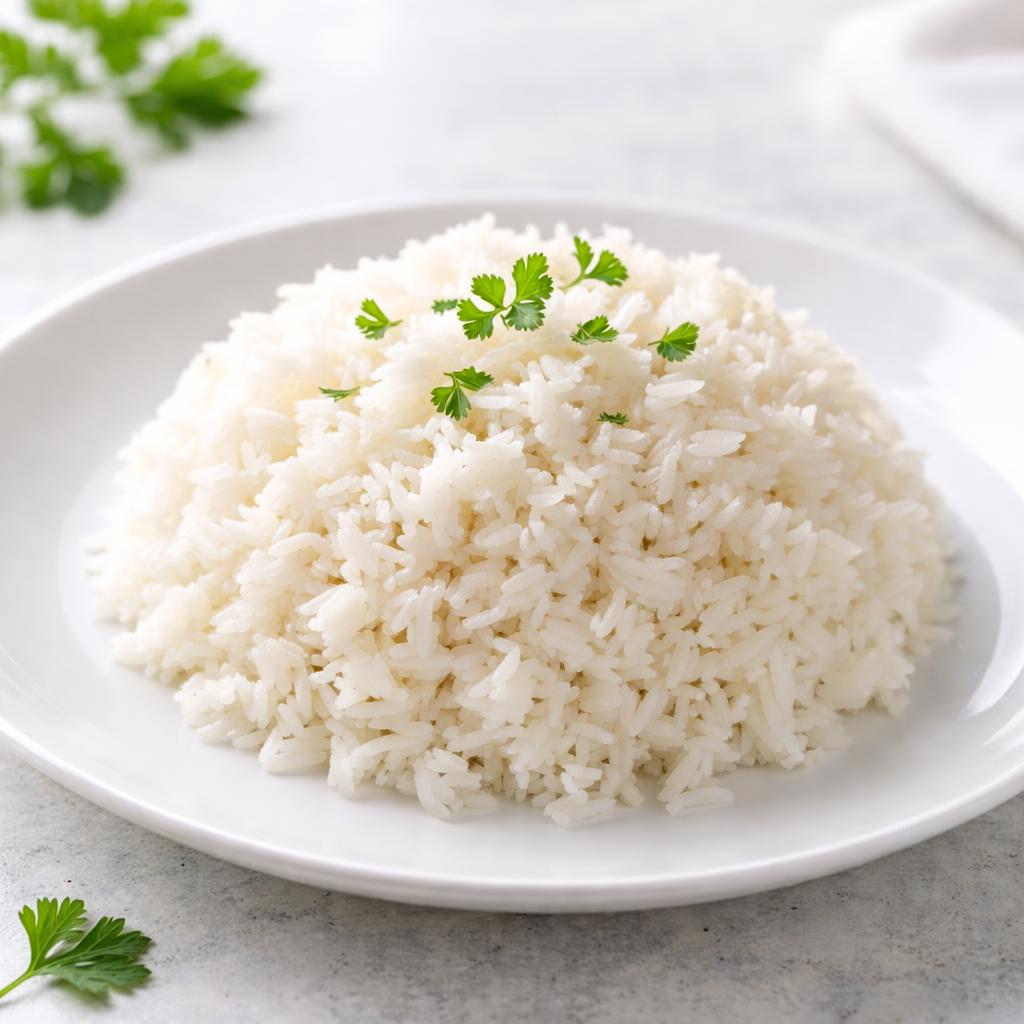
White Rice
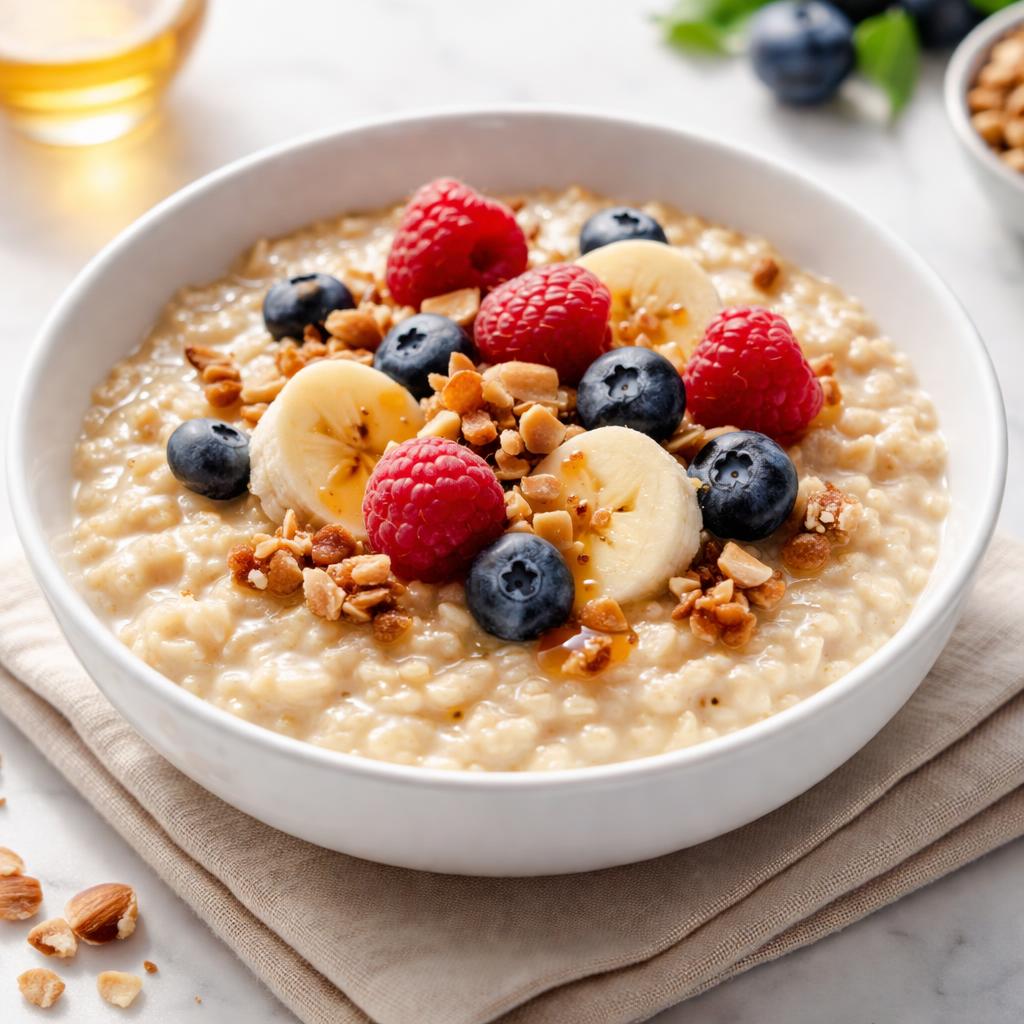
Porridge
🎯 Quick Verdict
White rice has lower fiber and protein content compared to porridge, making porridge a more nutrient-dense option. Porridge shines for sustained energy and digestion support, while white rice is versatile and easy to digest, suitable for quick energy needs or post-workout recovery.

Smart Nutrition Tracking with SnapCalorie

📊 Nutritional Comparison
Macronutrients
| Nutrient | Food 1 | Food 2 | Winner |
|---|---|---|---|
| Calories | 130 | 130 | − |
| Protein | 2.7g | 3.5g | ✓ |
| Carbs | 28g | 23g | ✓ |
| Fat | 0.3g | 2.5g | ✓ |
| Fiber | 0.4g | 2g | ✓ |
Vitamins & Minerals
| Nutrient | Food 1 | Food 2 | Winner |
|---|---|---|---|
| Vitamin D | 0mcg | 0mcg | − |
| Calcium | 10mg | 20mg | ✓ |
| Iron | 0.2mg | 1.5mg | ✓ |
🏆 Category Winners
Protein
Porridge has 30% higher protein content per serving compared to white rice.
Fiber
Porridge contains 5 times more fiber, supporting improved digestion.
Calories
Both foods have similar calorie values, making them equally suitable for energy needs.
Vitamins
Porridge is richer in iron and calcium, supporting bone health and energy production.
🥗 Diet Compatibility
Keto
Food 1: Not Compatible
Food 2: Not Compatible
Both foods are high in carbohydrates and not suitable for keto diets.
Vegan
Food 1: Compatible
Food 2: Compatible
Both are plant-based foods and safe for vegan diets.
Gluten Free
Food 1: Compatible
Food 2: Depends
White rice is gluten-free, but porridge may contain gluten if made from oats not certified gluten-free.
Paleo
Food 1: Compatible
Food 2: Not Compatible
White rice fits a broader application of paleo diets while porridge, typically containing grains, does not qualify in strict paleo guidelines.
Low Carb
Food 1: Not Compatible
Food 2: Not Compatible
Both foods are carbohydrate-rich and unsuitable for low-carb diets.
💪 Health Benefits Comparison
Food 1 Benefits
- Quick source of energy due to high carb content
- Easy to digest, suitable for sensitive stomachs
- Versatile for pairing with high-protein or nutrient-dense sides
Food 2 Benefits
- High in fiber for improved digestion
- Contains healthy fats for heart health
- Provides sustained energy due to slower carb metabolism
- Rich in iron and calcium for bone and blood health
✅ The Bottom Line
Choose white rice for simplicity, quick energy, and easy digestion. Opt for porridge for greater nutrient density, sustained energy, and digestive health. Both can fit into a balanced diet depending on individual needs.
Choose Food 1 for: Post-workout recovery, meals with nutrient-rich sides, easy-to-digest meals
Choose Food 2 for: Breakfast, digestion support, sustained energy for long periods


