White Rice VS Pork Loin
A detailed nutritional comparison
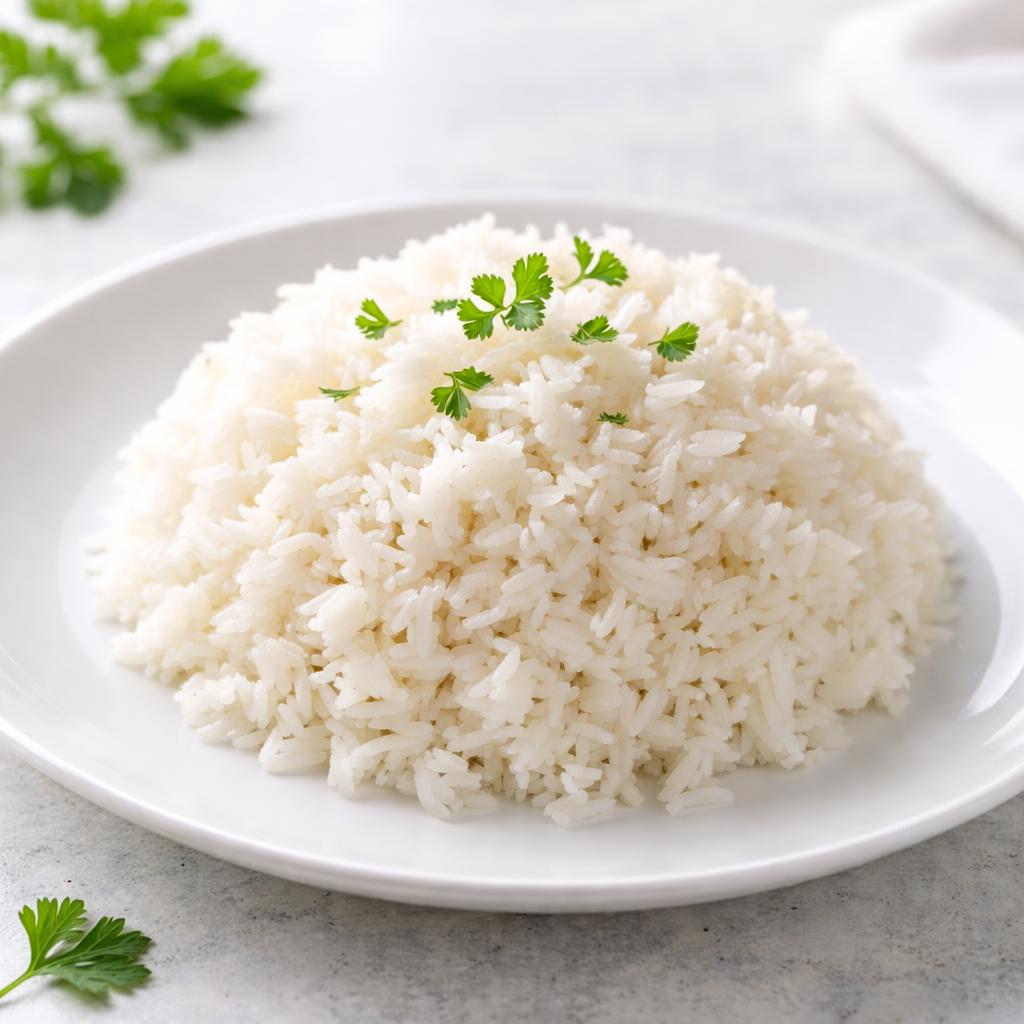
White Rice
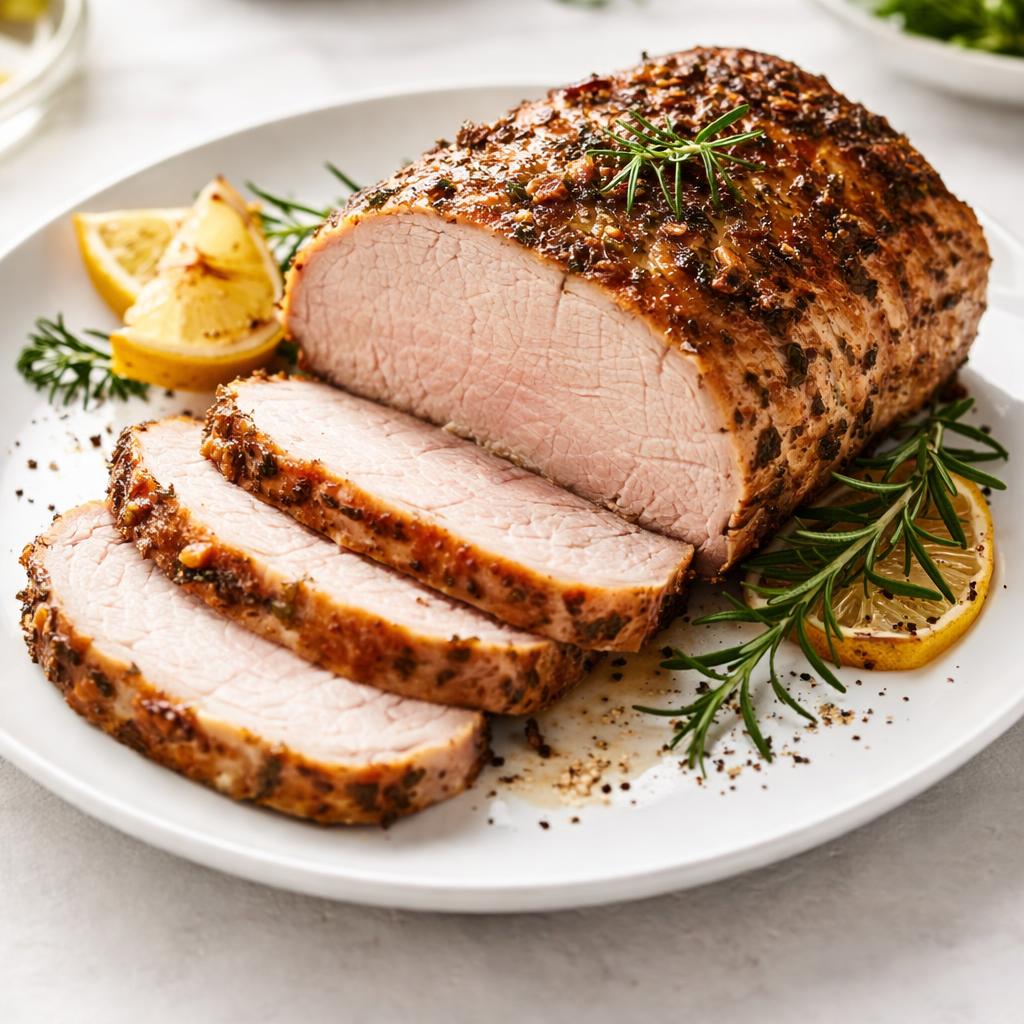
Pork Loin
🎯 Quick Verdict
White rice is higher in carbohydrates and fiber, providing quick energy and aiding digestion, while pork loin excels in protein content, supporting muscle growth and repair. White rice is better for a vegan diet, while pork loin suits keto or low-carb diets due to its high protein and minimal carbs.

Smart Nutrition Tracking with SnapCalorie

📊 Nutritional Comparison
Macronutrients
| Nutrient | Food 1 | Food 2 | Winner |
|---|---|---|---|
| Calories | 206 (per cup cooked) | 140 (per 3 oz cooked) | ✓ |
| Protein | 4g | 24g | ✓ |
| Carbs | 45g | 0g | ✓ |
| Fat | 0.4g | 4g | ✓ |
| Fiber | 0.6g | 0g | ✓ |
Vitamins & Minerals
| Nutrient | Food 1 | Food 2 | Winner |
|---|---|---|---|
| Vitamin D | 0mcg | 1mcg | ✓ |
| Calcium | 16mg | 6mg | ✓ |
| Iron | 0.4mg | 0.9mg | ✓ |
🏆 Category Winners
Protein
Pork loin contains 6x more protein per serving than white rice.
Fiber
White rice contains a small amount of fiber, while pork loin has zero.
Calories
Pork loin is lower in calories per serving compared to white rice.
🥗 Diet Compatibility
Keto
Food 1: Not Compatible
Food 2: Compatible
Pork loin is low-carb (0g carbs), while white rice is carb-heavy (45g per cup).
Vegan
Food 1: Compatible
Food 2: Not Compatible
White rice is plant-based, while pork loin is animal-derived.
Gluten Free
Food 1: Compatible
Food 2: Compatible
Neither food contains gluten.
Paleo
Food 1: Not Compatible
Food 2: Compatible
Pork loin fits a paleo approach, while white rice is generally excluded.
Low Carb
Food 1: Not Compatible
Food 2: Compatible
White rice is high-carb (45g per cup), while pork loin is low-carb.
💪 Health Benefits Comparison
Food 1 Benefits
- Provides quick energy due to high carbohydrate content.
- Low in fat for lighter meal options.
- Contains small amounts of iron for oxygen transport.
Food 2 Benefits
- High in protein to support muscle repair and growth.
- Good source of vitamin B12 for healthy red blood cells and energy metabolism.
- Low-carb and keto-friendly for blood sugar control.
✅ The Bottom Line
White rice is a good choice for plant-based diets and quick energy needs, ideal as a staple carb for athletes or those needing a quick fuel source. Pork loin is better for those focusing on high-protein, low-carb diets, supporting muscle health and weight management.
Choose Food 1 for: Quick energy, carb-loading, low-fat meals, vegan diets
Choose Food 2 for: Muscle building, weight loss, keto, or paleo diets


