White Rice VS Polenta
A detailed nutritional comparison
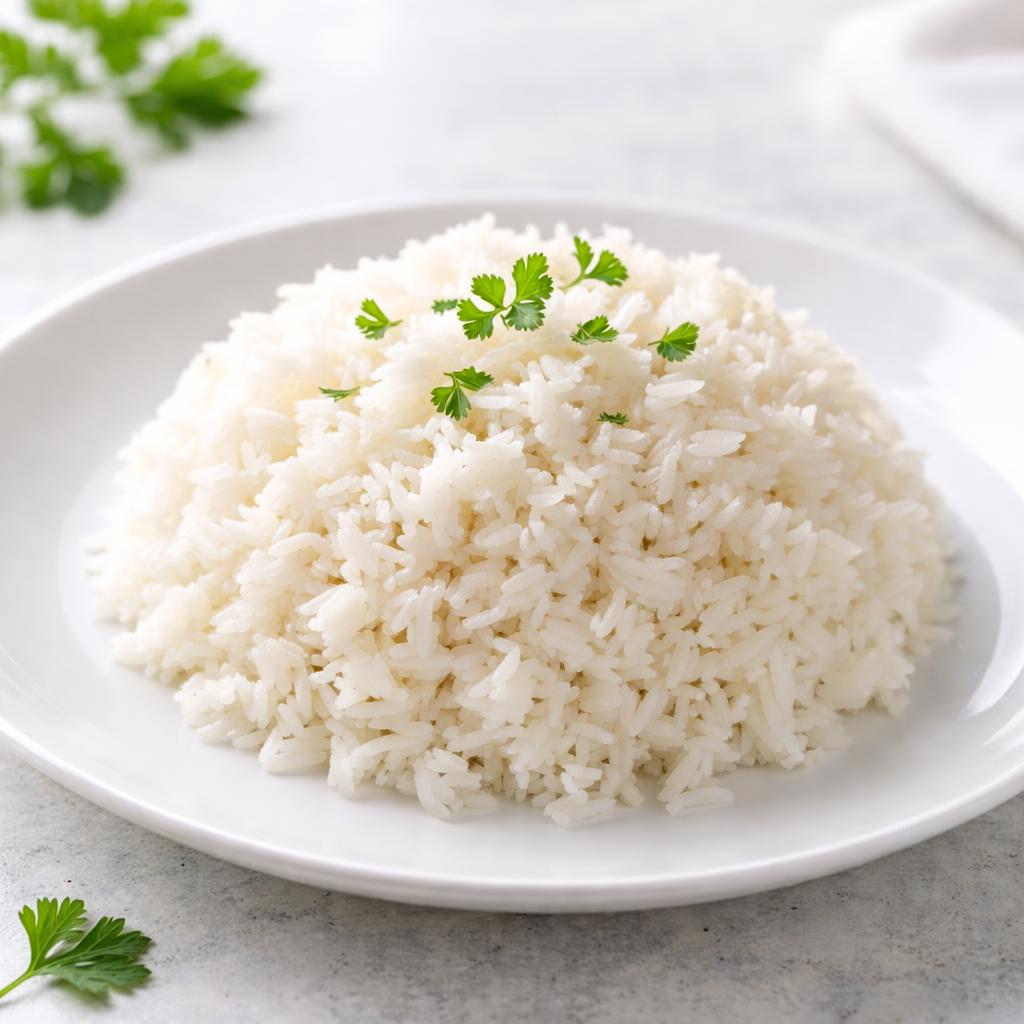
White Rice
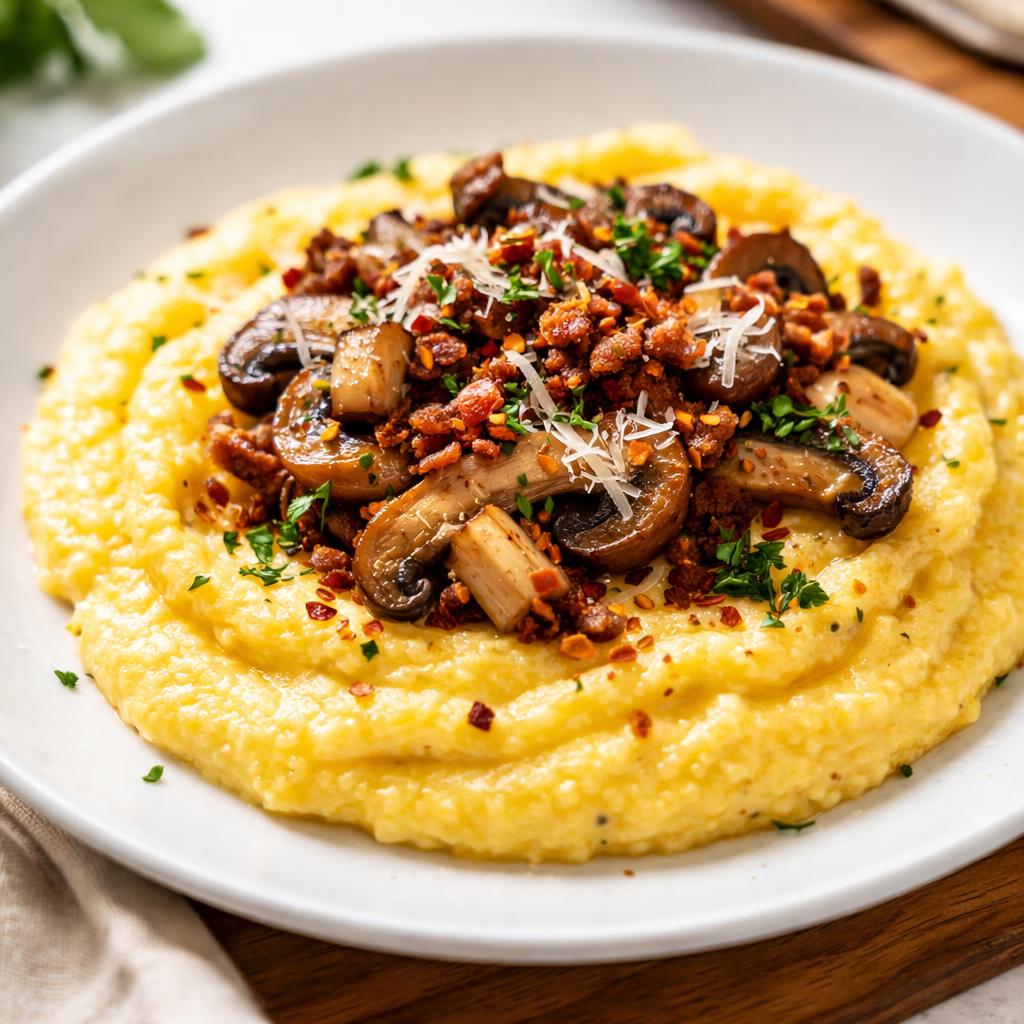
Polenta
🎯 Quick Verdict
While both white rice and polenta are carbohydrate-rich staples, polenta stands out with fewer calories per serving and higher fiber content, making it more filling and digestion-friendly. White rice, though, is slightly more versatile and quicker to prepare, but it lacks the fiber and nutrient density of polenta. Choose polenta for weight management and sustained energy, while white rice works well for convenience and energy replenishment after exercise.

Smart Nutrition Tracking with SnapCalorie

📊 Nutritional Comparison
Macronutrients
| Nutrient | Food 1 | Food 2 | Winner |
|---|---|---|---|
| Calories | 200 | 150 | ✓ |
| Protein | 4g | 4g | − |
| Carbs | 45g | 33g | ✓ |
| Fat | 0.5g | 1g | ✓ |
| Fiber | 0g | 2g | ✓ |
Vitamins & Minerals
| Nutrient | Food 1 | Food 2 | Winner |
|---|---|---|---|
| Vitamin D | 0mcg | 0mcg | − |
| Calcium | 9mg | 7mg | ✓ |
| Iron | 0.2mg | 0.5mg | ✓ |
🏆 Category Winners
Protein
Both foods contain similar protein levels (4g per serving).
Fiber
Polenta contains 2g of fiber per serving, while white rice contains none.
Calories
Polenta has 25% fewer calories per serving than white rice.
🥗 Diet Compatibility
Keto
Food 1: Not Compatible
Food 2: Not Compatible
Both are high in carbohydrates, exceeding keto limits.
Vegan
Food 1: Compatible
Food 2: Compatible
Both are plant-based and suitable for vegan diets.
Gluten Free
Food 1: Compatible
Food 2: Compatible
Neither food contains gluten naturally.
Paleo
Food 1: Not Compatible
Food 2: Compatible
Polenta is derived from corn, which is paleo-friendly, whereas white rice is not.
Low Carb
Food 1: Not Compatible
Food 2: Not Compatible
Both foods are high-carb staples unsuitable for low-carb diets.
💪 Health Benefits Comparison
Food 1 Benefits
- Quick energy source due to high carbohydrate content
- Easy to digest for sensitive stomachs
- Versatile in recipes and widely accessible
Food 2 Benefits
- Rich in fiber for digestion support
- Contains iron for healthy oxygen transport
- Low calorie density for weight management
✅ The Bottom Line
If you’re looking for a lower-calorie, fiber-filled option, polenta is the better choice for satiety and weight control. White rice, however, is great for quick energy and versatile recipes, especially when paired with protein or sauces. Both suit vegan and gluten-free diets, but polenta aligns better with paleo principles.
Choose Food 1 for: Post-workout meals, quick recipes, easy digestibility
Choose Food 2 for: Weight management, sustained energy, gut health


