White Rice VS Poached Egg
A detailed nutritional comparison
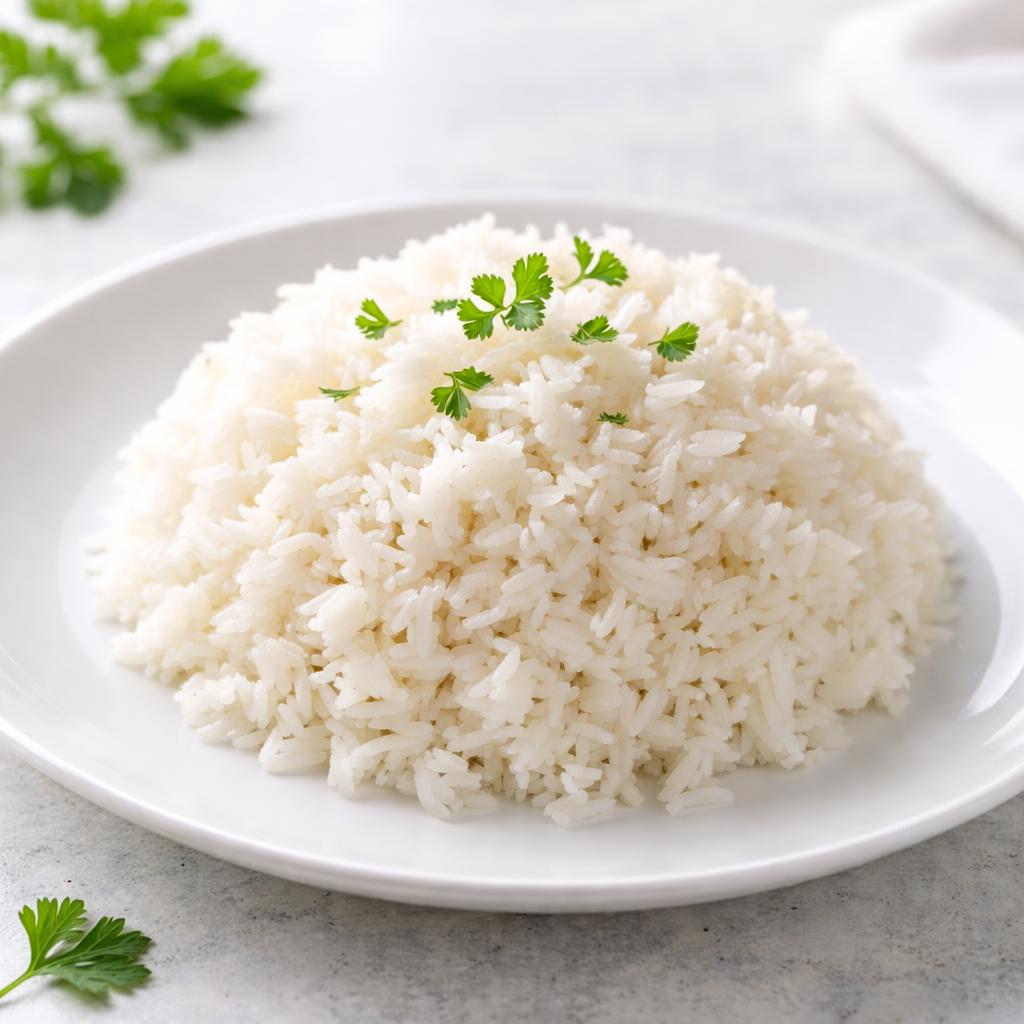
White Rice
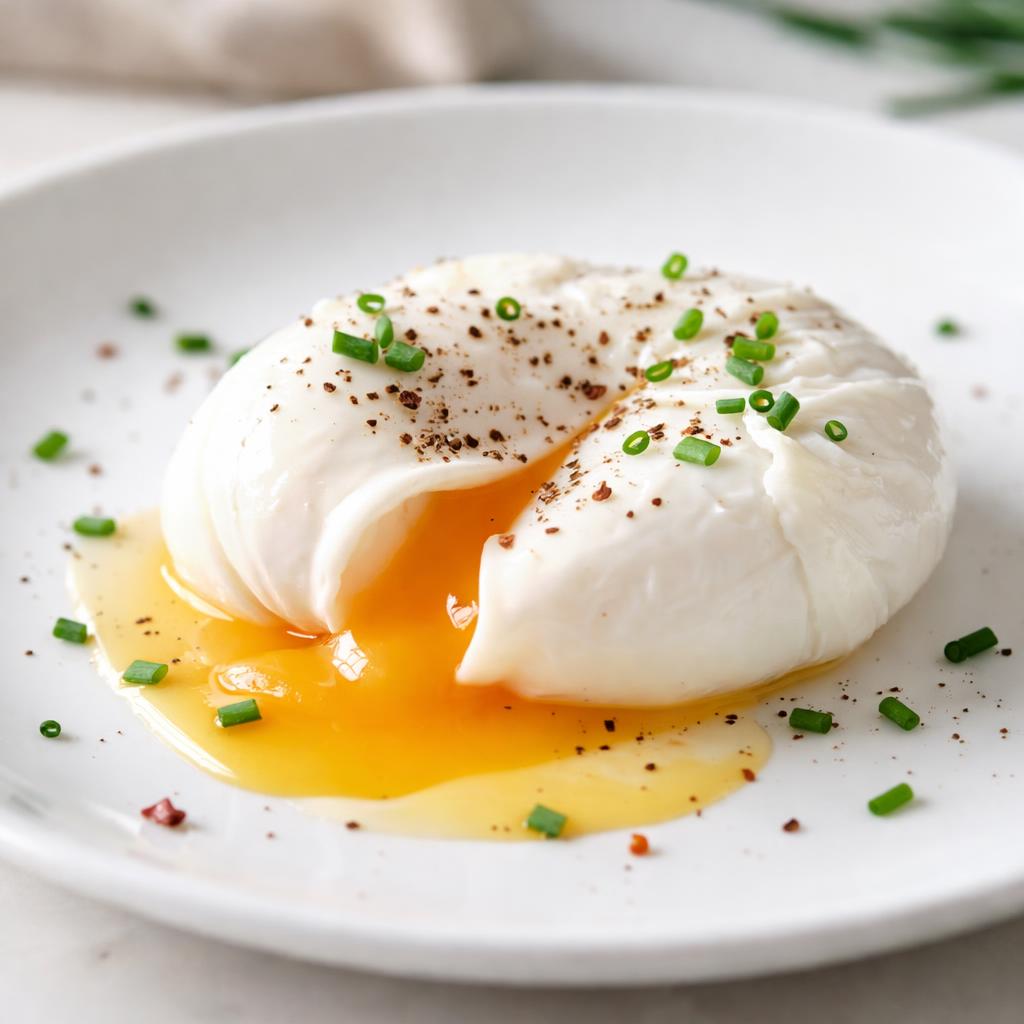
Poached Egg
🎯 Quick Verdict
Poached egg is significantly higher in protein and lower in calories than white rice, making it better suited for weight loss and protein-focused diets. White rice, being higher in carbohydrates, is a good option for quick energy replenishment, especially during physical activity or as a base for meals needing carb sources.

Smart Nutrition Tracking with SnapCalorie

📊 Nutritional Comparison
Macronutrients
| Nutrient | Food 1 | Food 2 | Winner |
|---|---|---|---|
| Calories | 130 | 68 | ✓ |
| Protein | 2.7g | 5.5g | ✓ |
| Carbs | 28g | 0.5g | ✓ |
| Fat | 0.3g | 4.7g | ✓ |
| Fiber | 0.4g | 0g | − |
Vitamins & Minerals
| Nutrient | Food 1 | Food 2 | Winner |
|---|---|---|---|
| Vitamin B12 | 0mcg | 0.9mcg | ✓ |
| Vitamin D | 0mcg | 1.1mcg | ✓ |
| Iron | 0.2mg | 0.9mg | ✓ |
🏆 Category Winners
Protein
Poached egg provides over double the protein compared to white rice per serving.
Fiber
Both foods have negligible amounts of fiber.
Calories
Poached egg has approximately 50% fewer calories than white rice.
Vitamins
Poached egg is richer in vitamin D, B12, and iron than white rice.
🥗 Diet Compatibility
Keto
Food 1: Not Compatible
Food 2: Compatible
White rice is high in carbs, while poached egg is low-carb.
Vegan
Food 1: Compatible
Food 2: Not Compatible
White rice is vegan, but a poached egg is animal-derived.
Gluten Free
Food 1: Compatible
Food 2: Compatible
Neither contains gluten.
Paleo
Food 1: Not Compatible
Food 2: Compatible
White rice is excluded in the paleo diet, whereas poached egg is acceptable.
Low Carb
Food 1: Not Compatible
Food 2: Compatible
White rice is high-carb, while poached egg is low-carb.
💪 Health Benefits Comparison
Food 1 Benefits
- Provides quick energy due to high carbs
- Easy to digest for sensitive stomachs
- Versatile as a base in meals or cuisines
Food 2 Benefits
- Rich in protein for muscle and tissue repair
- Contains healthy fats for heart and brain health
- Provides vitamin D for bone strength and immune health
- Good source of iron for improved energy levels
✅ The Bottom Line
Poached egg is the better choice for individuals looking to boost protein intake, manage weight, or follow low-carb diets. White rice is better suited for energy needs, quick meals, or situations requiring easily digestible carbohydrate sources.
Choose Food 1 for: High-carb diets, athletes needing endurance energy, meals needing fillers
Choose Food 2 for: Weight loss, keto diets, post-workout recovery, general health improvement


