White Rice VS Plantains
A detailed nutritional comparison
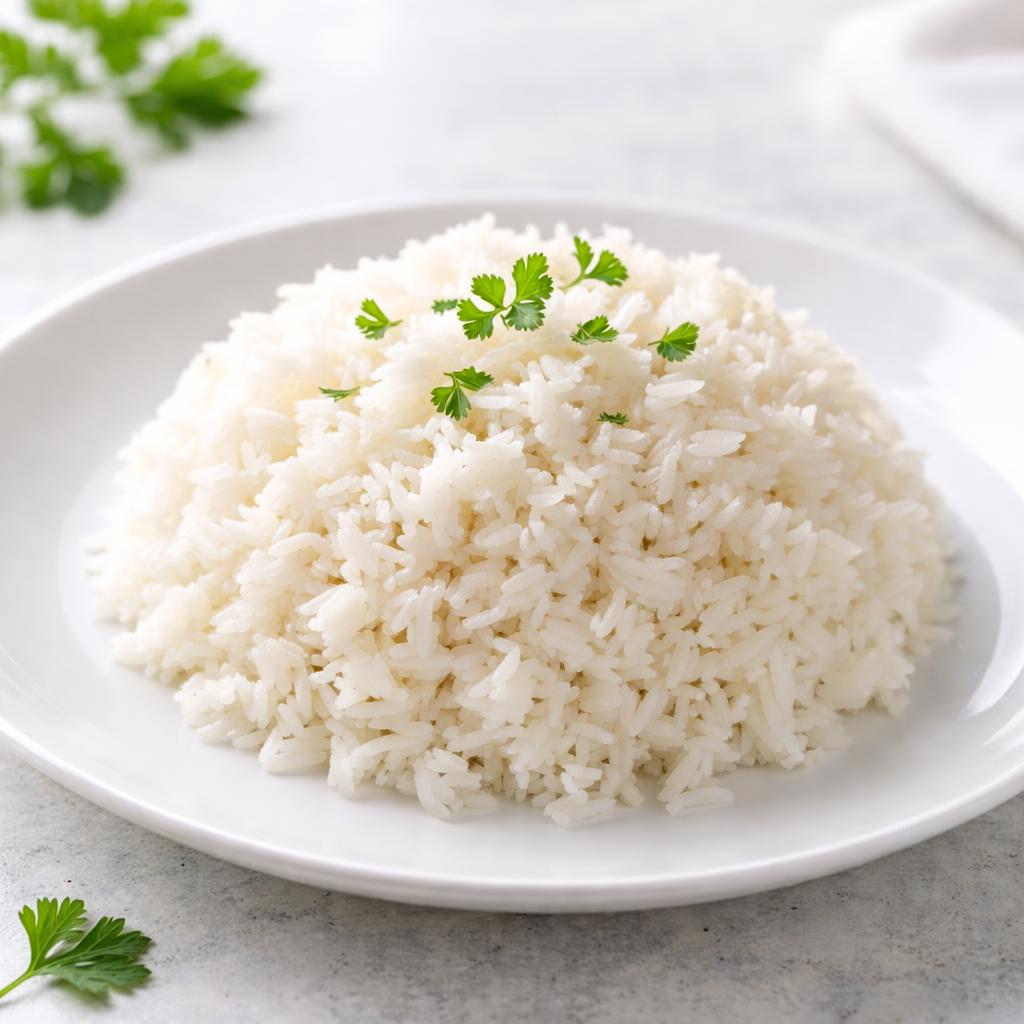
White Rice
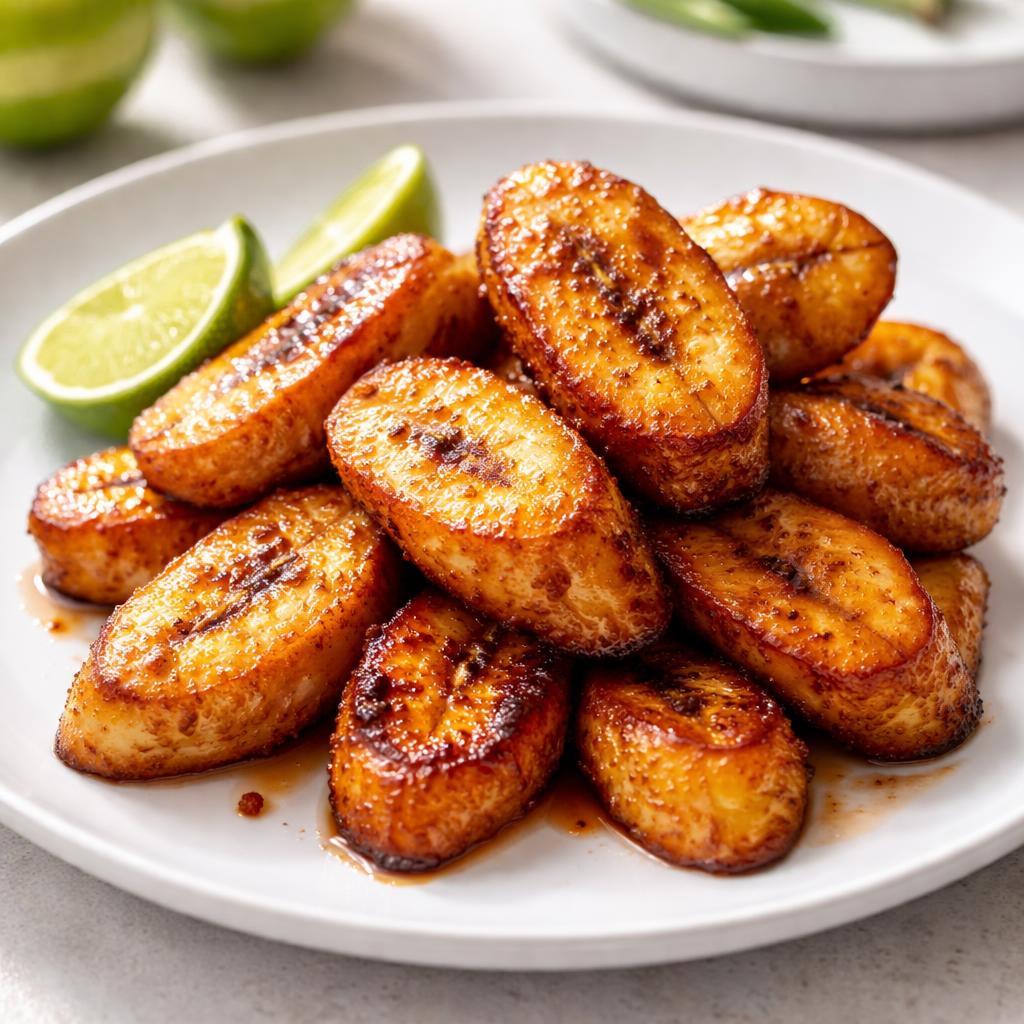
Plantains
🎯 Quick Verdict
White rice is lower in calories (130 vs. 200 per cup cooked) and contains no fat, making it a good basic carbohydrate for energy. Plantains, on the other hand, come with significantly more fiber (2g vs. 3g) and micronutrients like vitamin C and potassium, making them a more nutrient-dense option. Choose white rice for simplicity or plantains for added health benefits in terms of fiber and vitamins.

Smart Nutrition Tracking with SnapCalorie

📊 Nutritional Comparison
Macronutrients
| Nutrient | Food 1 | Food 2 | Winner |
|---|---|---|---|
| Calories | 130 | 200 | ✓ |
| Protein | 2.7g | 2g | − |
| Carbs | 28.2g | 48g | ✓ |
| Fat | 0.2g | 0.3g | − |
| Fiber | 0.4g | 3g | ✓ |
Vitamins & Minerals
| Nutrient | Food 1 | Food 2 | Winner |
|---|---|---|---|
| Vitamin C | 0mg | 18mg | ✓ |
| Vitamin A | 0IU | 1127IU | ✓ |
| Potassium | 35mg | 450mg | ✓ |
| Magnesium | 12mg | 37mg | ✓ |
| Iron | 0mg | 0.6mg | ✓ |
🏆 Category Winners
Protein
Both foods have very low protein levels, nearly equal.
Fiber
Plantains have 7.5 times more fiber than white rice.
Calories
White rice contains 35% fewer calories per serving.
Vitamins
Plantains are rich in vitamin A, vitamin C, and potassium.
🥗 Diet Compatibility
Keto
Food 1: Not Compatible
Food 2: Not Compatible
Both are high-carb and unsuitable for keto diets.
Vegan
Food 1: Compatible
Food 2: Compatible
Both are plant-based foods.
Gluten Free
Food 1: Compatible
Food 2: Compatible
Neither contains gluten.
Paleo
Food 1: Not Compatible
Food 2: Compatible
Plantains fit better into a paleo diet as they are considered whole and unprocessed.
Low Carb
Food 1: Not Compatible
Food 2: Not Compatible
Both foods are carb-dense and exceed typical low-carb thresholds.
💪 Health Benefits Comparison
Food 1 Benefits
- Provides a quick energy source due to high carbohydrate content
- Low in fat for lighter meals
- Easily digestible for individuals with sensitive stomachs
Food 2 Benefits
- High in fiber for improved digestion and gut health
- Rich in vitamin C for immune system support
- Contains potassium to help regulate blood pressure
- Provides vitamin A for eye health and cell growth
✅ The Bottom Line
Choose white rice for lower calories and simpler energy needs, especially for people looking for a light and digestible base. Alternatively, opt for plantains if you need a nutrient-dense option, with significantly more fiber, potassium, and vitamins like A and C. Both are versatile but fulfill different dietary roles.
Choose Food 1 for: Light meals, fast energy, digestion-sensitive diets
Choose Food 2 for: Higher fiber needs, nutrient-dense meals, vitamin-rich diets


