White Rice VS Pepper Steak
A detailed nutritional comparison
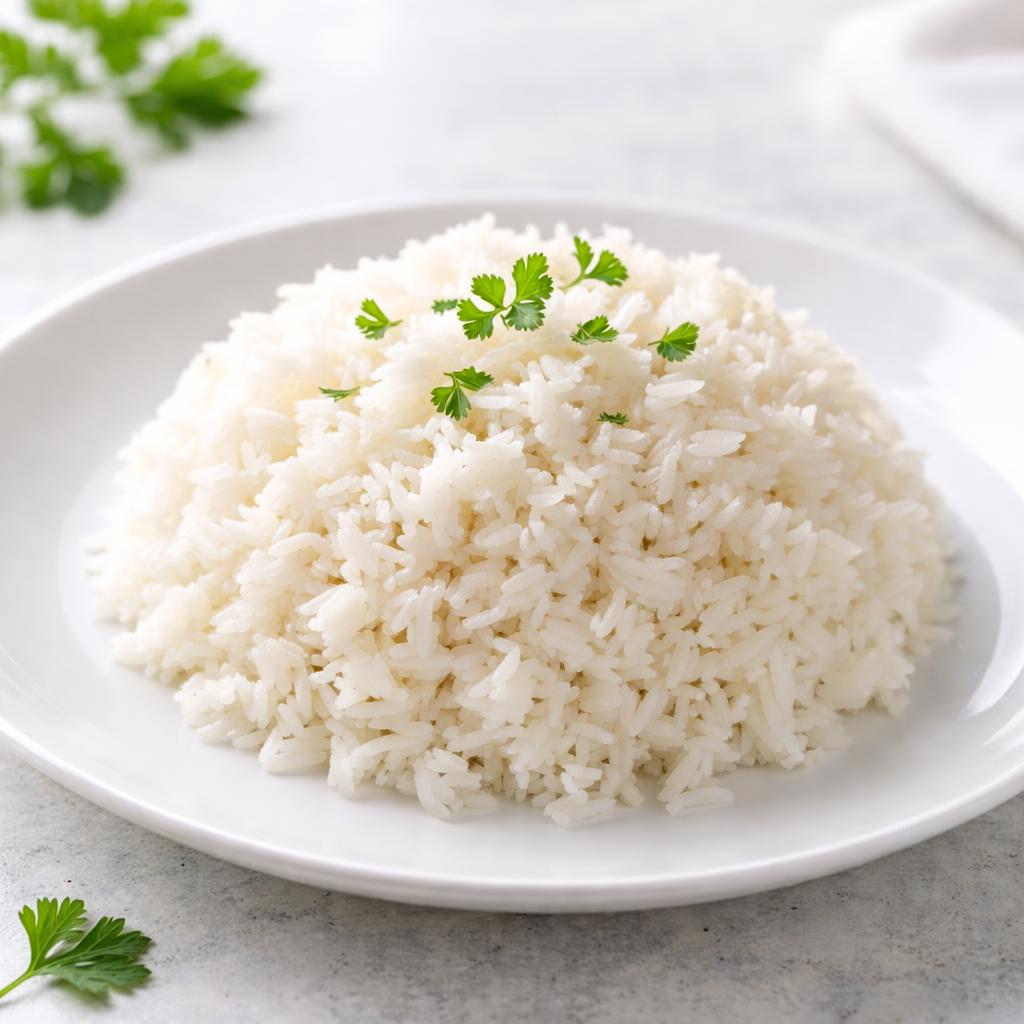
White Rice
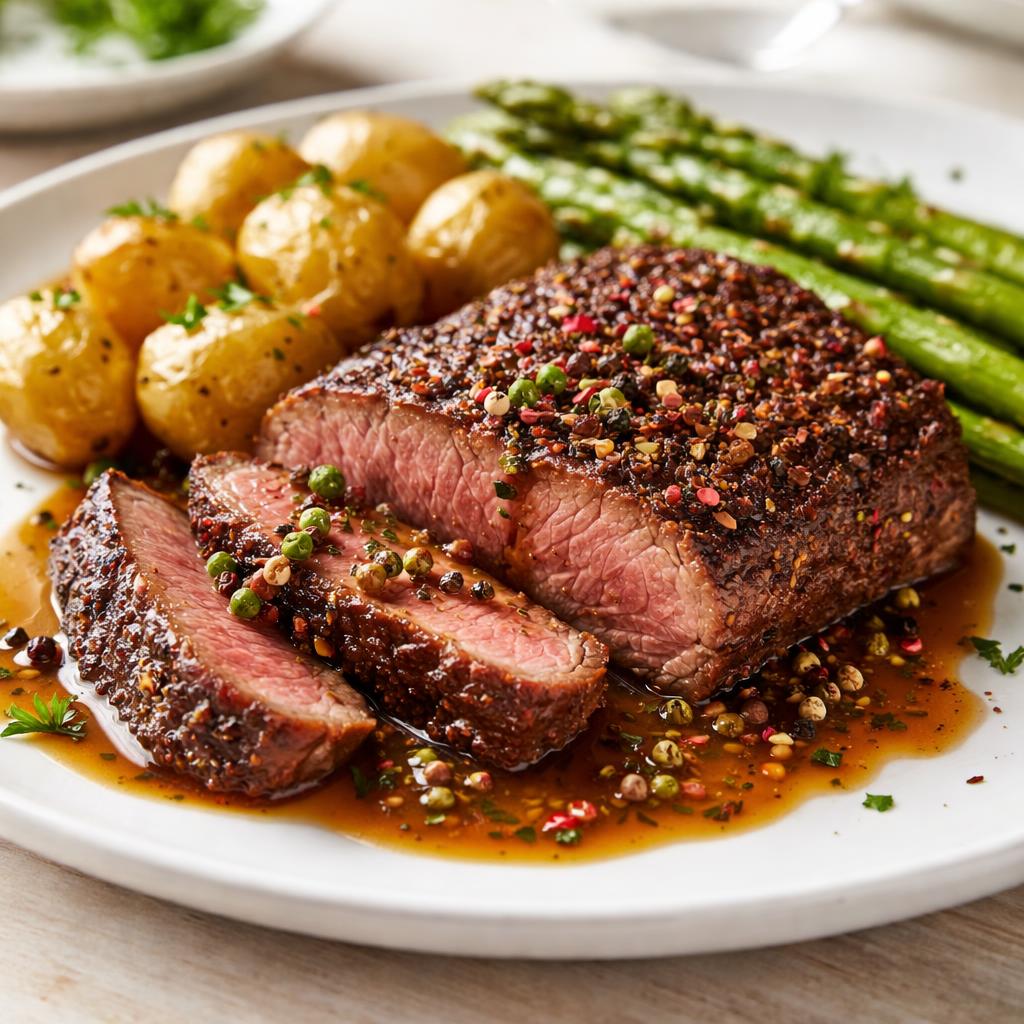
Pepper Steak
🎯 Quick Verdict
Pepper steak is significantly higher in protein and provides more micronutrients like iron and vitamin B12 compared to white rice. White rice is lower in calories and fat, making it a better choice for low-calorie diets but it lacks substantial protein and fiber. Choose pepper steak for nutrient density and muscle support, and white rice for energy or lighter calorie meals.

Smart Nutrition Tracking with SnapCalorie

📊 Nutritional Comparison
Macronutrients
| Nutrient | Food 1 | Food 2 | Winner |
|---|---|---|---|
| Calories | 150 (per 1 cup cooked) | 300 (per 1 cup cooked steak with peppers) | ✓ |
| Protein | 3g | 25g | ✓ |
| Carbs | 33g | 8g | ✓ |
| Fat | 0.5g | 17g | ✓ |
| Fiber | 0g | 2g | ✓ |
Vitamins & Minerals
| Nutrient | Food 1 | Food 2 | Winner |
|---|---|---|---|
| Vitamin B12 | 0mcg | 2.4mcg | ✓ |
| Iron | 0.2mg | 2.7mg | ✓ |
| Vitamin C | 0mg | 25mg (from peppers) | ✓ |
🏆 Category Winners
Protein
Pepper steak contains over 8x more protein than white rice.
Fiber
Neither food is significant in fiber, but pepper steak offers 2g whereas white rice has none.
Calories
White rice has 50% fewer calories per serving than pepper steak.
Vitamins
Pepper steak is rich in Vitamin B12, iron, and Vitamin C, which are nearly absent in white rice.
🥗 Diet Compatibility
Keto
Food 1: Not Compatible
Food 2: Compatible
Pepper steak is low-carb (8g per serving), whereas white rice is high in carbohydrates.
Vegan
Food 1: Compatible
Food 2: Not Compatible
White rice is plant-based while pepper steak contains animal protein.
Gluten Free
Food 1: Compatible
Food 2: Compatible
Neither food contains gluten.
Paleo
Food 1: Not Compatible
Food 2: Compatible
White rice is not part of the paleo diet, while pepper steak adheres to paleo principles.
Low-Carb
Food 1: Not Compatible
Food 2: Compatible
Pepper steak is low in carbs whereas white rice is carb-dense at 33g per cup.
💪 Health Benefits Comparison
Food 1 Benefits
- Good source of quick energy from carbohydrates
- Low in fat and easy to digest
- Gluten-free, making it suitable for individuals with gluten sensitivities
Food 2 Benefits
- High in protein, supporting muscle growth and repair
- Rich in iron for healthy red blood cell production
- Contains Vitamin C from peppers, boosting immunity
✅ The Bottom Line
Choose pepper steak for protein, essential nutrients, and low-carb meals, making it ideal for active lifestyles and those needing nutrient density. White rice is better for energy-focused meals or when a low-calorie, easily digestible option is preferred.
Choose Food 1 for: Light calorie meals, quick energy, gluten-sensitive diets
Choose Food 2 for: High-protein diets, nutrient density, keto/paleo lifestyles


