White Rice VS Pearl Barley
A detailed nutritional comparison
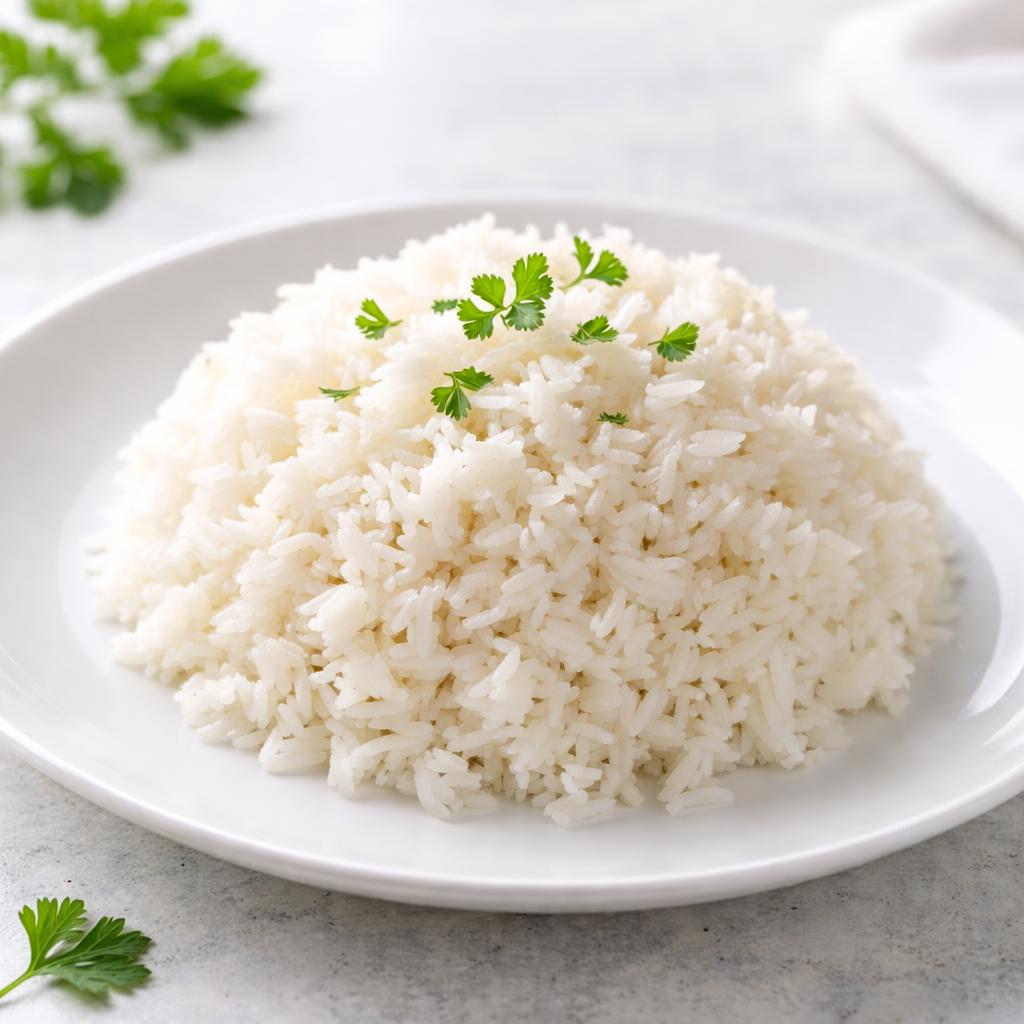
White Rice
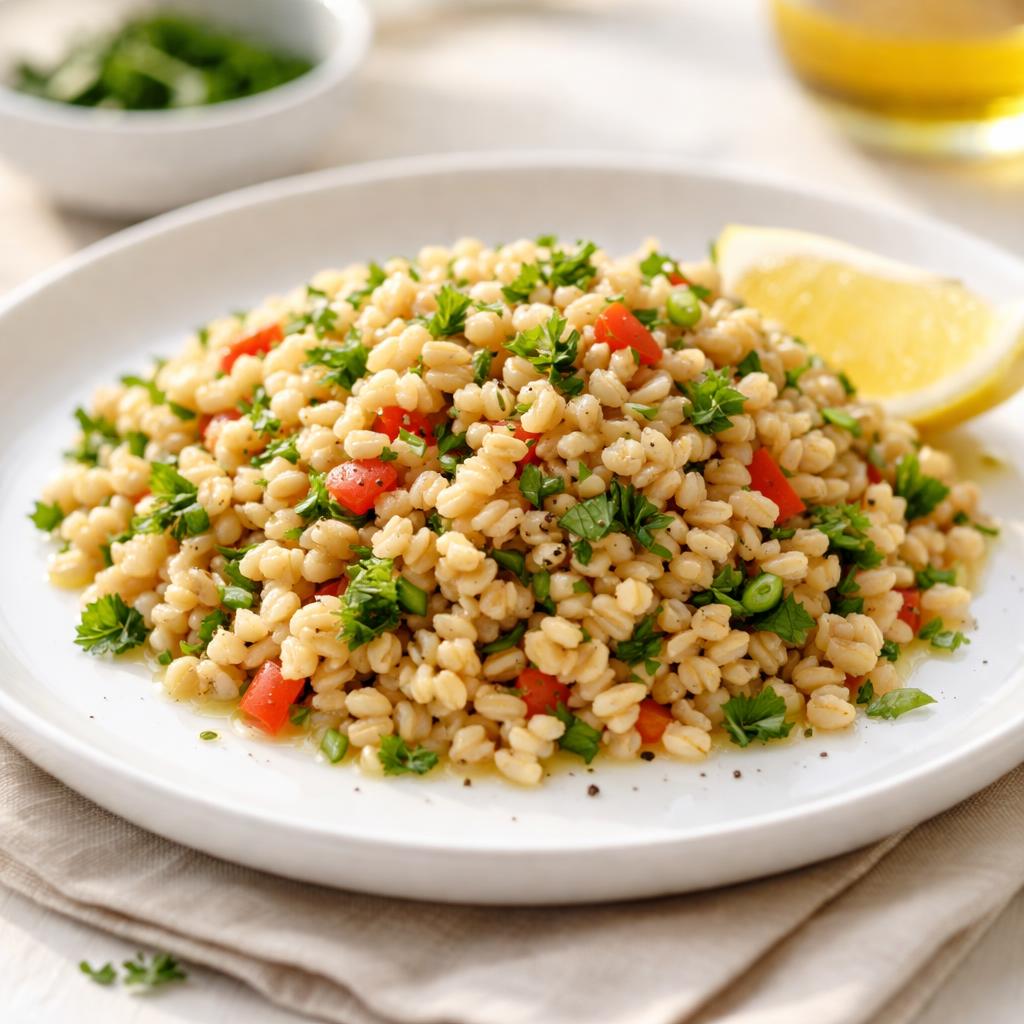
Pearl Barley
🎯 Quick Verdict
Pearl barley is nutritionally denser than white rice, with significantly higher protein, fiber, and micronutrients. However, white rice is lower in calories and carbohydrates, making it a lighter option. White rice is perfect for quick energy, while pearl barley is ideal for sustained nutrient intake and gut health support.

Smart Nutrition Tracking with SnapCalorie

📊 Nutritional Comparison
Macronutrients
| Nutrient | Food 1 | Food 2 | Winner |
|---|---|---|---|
| Calories | 130 per 100g | 123 per 100g | − |
| Protein | 2.7g per 100g | 3.5g per 100g | ✓ |
| Carbs | 28g per 100g | 28g per 100g | − |
| Fat | 0.3g per 100g | 0.4g per 100g | − |
| Fiber | 0.4g per 100g | 3.8g per 100g | ✓ |
Vitamins & Minerals
| Nutrient | Food 1 | Food 2 | Winner |
|---|---|---|---|
| Vitamin B6 | 0.05mg per 100g | 0.26mg per 100g | ✓ |
| Magnesium | 12mg per 100g | 28mg per 100g | ✓ |
| Iron | 0.2mg per 100g | 2.0mg per 100g | ✓ |
🏆 Category Winners
Protein
Pearl barley provides around 30% more protein per 100g.
Fiber
Pearl barley contains nearly 10 times more fiber than white rice.
Calories
Both have similar calorie counts per 100g, making neither significantly lower.
Vitamins
Pearl barley is richer in most micronutrients, including magnesium, iron, and vitamin B6.
🥗 Diet Compatibility
Keto
Food 1: Not Compatible
Food 2: Not Compatible
Both are grain-based and high in carbohydrates.
Vegan
Food 1: Compatible
Food 2: Compatible
Both foods are plant-based and suitable for vegan diets.
Gluten Free
Food 1: Compatible
Food 2: Not Compatible
White rice is gluten-free, while pearl barley contains gluten.
Paleo
Food 1: Not Compatible
Food 2: Not Compatible
Both are grains and excluded in strict paleo diets.
Low-Carb
Food 1: Not Compatible
Food 2: Not Compatible
Both contain over 25g of carbohydrates per 100g.
💪 Health Benefits Comparison
Food 1 Benefits
- Provides quick energy due to high carbohydrate content
- Easy to digest and gentle on the stomach
- Gluten-free option for individuals with gluten intolerances
Food 2 Benefits
- Rich in fiber for improving digestion and gut health
- Higher protein content supports muscle maintenance
- Excellent source of iron and magnesium for energy production and bone health
- Contains antioxidants which promote overall health
✅ The Bottom Line
White rice is best for quick, gluten-free energy boosts and easy digestion for sensitive stomachs. Pearl barley offers superior nutritional density with more protein, fiber, and vitamins, making it ideal for sustained energy and digestive health. Choose white rice for light, fast meals and pearl barley for hearty, nutrient-packed dishes.
Choose Food 1 for: Quick energy, gluten-free diets, light meals
Choose Food 2 for: Digestive health, nutrient density, sustained energy


