White Rice VS Pear
A detailed nutritional comparison
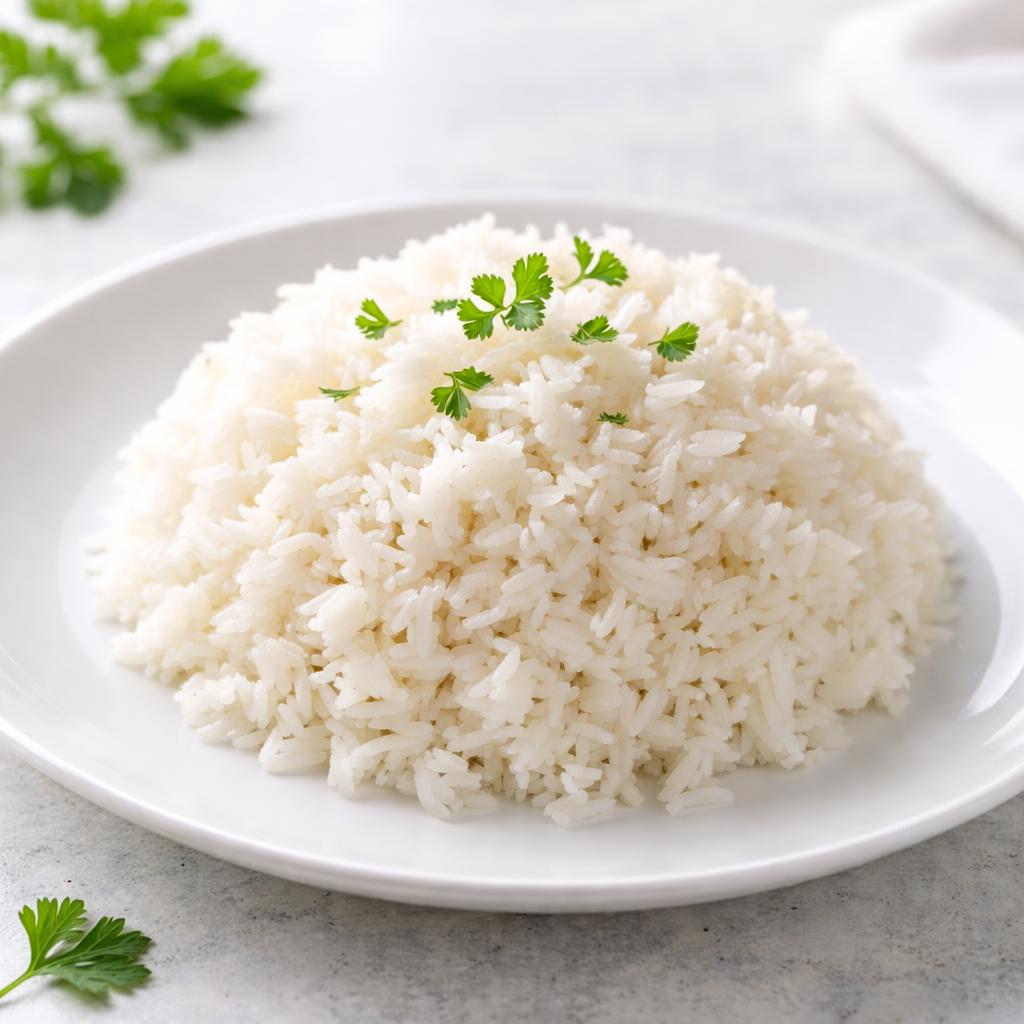
White Rice
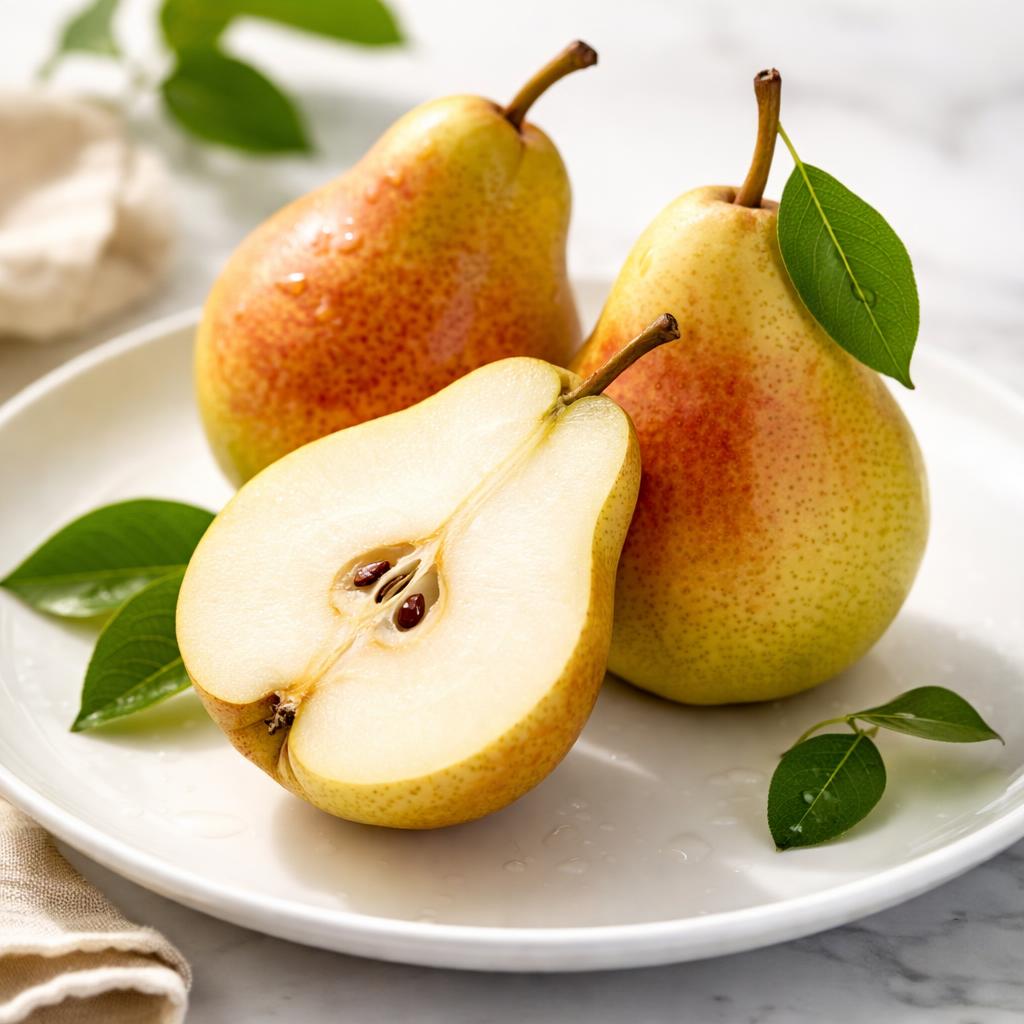
Pear
🎯 Quick Verdict
White rice is a good source of quick, digestible carbs with slightly more protein, making it ideal for energy and post-workout recovery. Pears, on the other hand, are nutrient-dense, lower in calories, and rich in fiber and antioxidants, making them well-suited for digestion and overall health. Each food serves distinct dietary needs depending on your goals.

Smart Nutrition Tracking with SnapCalorie

📊 Nutritional Comparison
Macronutrients
| Nutrient | Food 1 | Food 2 | Winner |
|---|---|---|---|
| Calories | 130 | 101 | ✓ |
| Protein | 2.7g | 0.6g | ✓ |
| Carbs | 28g | 27g | − |
| Fat | 0.3g | 0.3g | − |
| Fiber | 0.4g | 6g | ✓ |
Vitamins & Minerals
| Nutrient | Food 1 | Food 2 | Winner |
|---|---|---|---|
| Vitamin C | <1mg | 8mg | ✓ |
| Vitamin K | 0.2mcg | 4.4mcg | ✓ |
| Potassium | 35mg | 206mg | ✓ |
🏆 Category Winners
Protein
White rice contains significantly more protein per serving compared to pear.
Fiber
Pear offers 6g of fiber per serving, dramatically more than white rice's 0.4g.
Calories
Pear is lower-calorie than white rice, making it ideal for weight management.
Vitamins
Pear provides higher levels of Vitamin C, Vitamin K, and potassium.
🥗 Diet Compatibility
Keto
Food 1: Not Compatible
Food 2: Not Compatible
Both foods are high in carbs and unsuitable for keto diets.
Vegan
Food 1: Compatible
Food 2: Compatible
Both are plant-based, suitable for vegans.
Gluten Free
Food 1: Compatible
Food 2: Compatible
Neither food contains gluten.
Paleo
Food 1: Compatible
Food 2: Compatible
Both are natural, whole foods compatible with paleo diets.
Low Carb
Food 1: Not Compatible
Food 2: Compatible
White rice is high-carb, while pears are moderately lower in carbs.
💪 Health Benefits Comparison
Food 1 Benefits
- Low in fat and easy to digest
- Provides quick energy due to high carb content
- Contains some protein to support muscle repair
Food 2 Benefits
- Rich in dietary fiber for gut health
- High in Vitamin C for immunity
- Contains antioxidants to fight cellular damage
- Good source of potassium for heart function
✅ The Bottom Line
Choose white rice for quick energy during intense workouts or to fuel physical activities. Opt for pear when looking for a nutrient-dense snack or to support digestion and general health. Both serve distinct cases and are complementary in balanced diets.
Choose Food 1 for: Athletes, post-workout recovery, quick energy needs
Choose Food 2 for: Gut health, weight management, immunity boosting


