White Rice VS Pastry
A detailed nutritional comparison
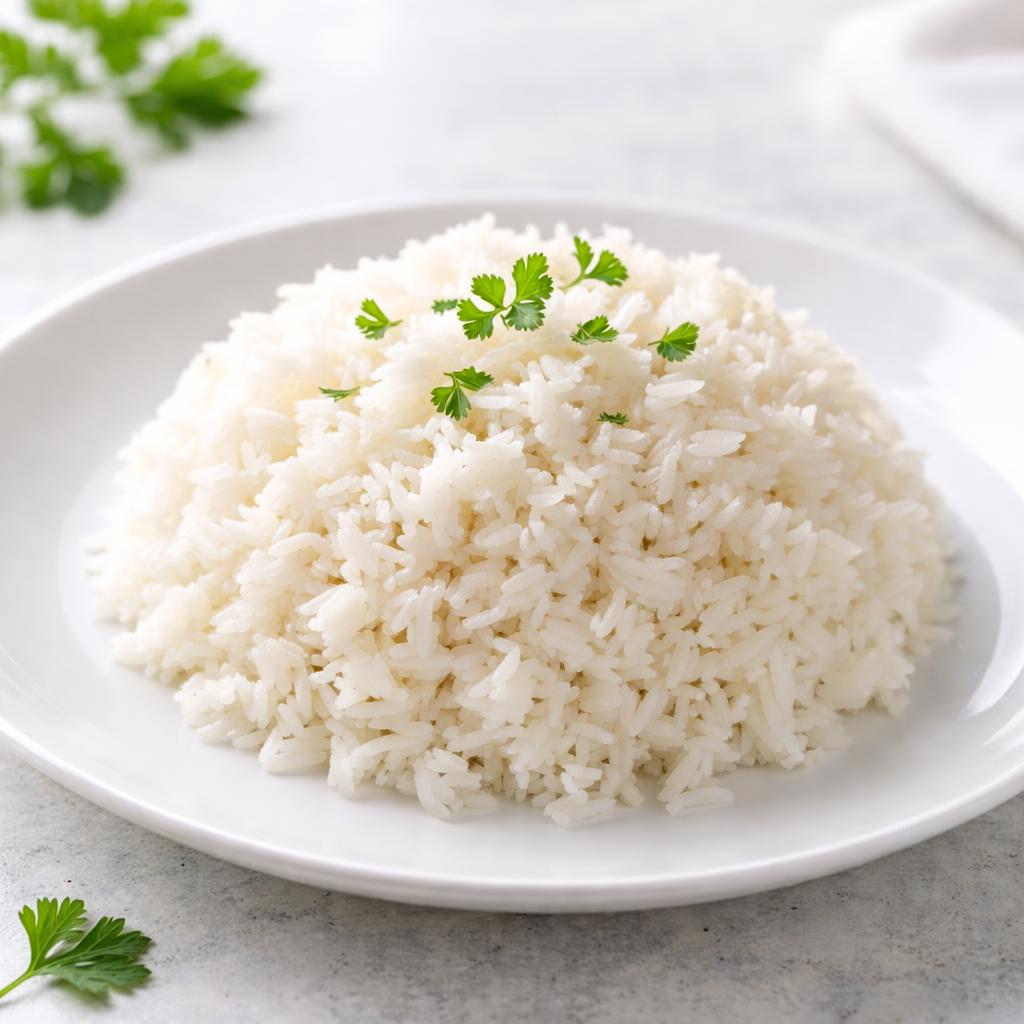
White Rice

Pastry
🎯 Quick Verdict
White rice is lower in calories and simpler in composition, making it ideal for light meals or as a staple carbohydrate source, especially for weight-conscious diets. Pastries, while richer in fiber and offering more complex taste, are high in sugar and fats, making them less suitable for everyday consumption and better for occasional indulgence or energy boosts.

Smart Nutrition Tracking with SnapCalorie

📊 Nutritional Comparison
Macronutrients
| Nutrient | Food 1 | Food 2 | Winner |
|---|---|---|---|
| Calories | 130 | 300 | ✓ |
| Protein | 2.7g | 2.7g | − |
| Carbs | 28g | 40g | ✓ |
| Fat | 0.3g | 15g | ✓ |
| Fiber | 0.4g | 2g | ✓ |
Vitamins & Minerals
| Nutrient | Food 1 | Food 2 | Winner |
|---|---|---|---|
| Vitamin D | 0mcg | 0mcg | − |
| Calcium | 10mg | 15mg | ✓ |
| Iron | 0.2mg | 0.6mg | ✓ |
🏆 Category Winners
Protein
Both foods contain 2.7g of protein per serving.
Fiber
Pastry provides 5x more fiber than white rice.
Calories
White rice has less than half the calories of pastry per serving.
Vitamins
Pastry has marginally higher calcium and iron content.
🥗 Diet Compatibility
Keto
Food 1: Not Compatible
Food 2: Not Compatible
Both are high-carb foods.
Vegan
Food 1: Compatible
Food 2: May Not Be Compatible
White rice is vegan; pastry may contain animal-derived ingredients like butter or eggs.
Gluten Free
Food 1: Compatible
Food 2: Not Compatible
White rice is naturally gluten-free; pastry is typically made with wheat flour containing gluten.
Paleo
Food 1: Compatible
Food 2: Not Compatible
White rice aligns with some paleo diets, whereas pastry is processed and contains refined ingredients.
Low-Carb
Food 1: Not Compatible
Food 2: Not Compatible
Both foods are high in carbohydrates, not suitable for strict low-carb diets.
💪 Health Benefits Comparison
Food 1 Benefits
- Low in fat, suitable for weight management
- Easily digested, gentle on the stomach
- Provides quick energy from carbohydrates
- Gluten-free, safe for those with gluten intolerance
Food 2 Benefits
- Higher in fiber for better digestion
- Contains fats for sustained energy
- Good source of iron for blood health
- Pleasant taste and texture for occasional indulgence
✅ The Bottom Line
White rice is a simple and versatile choice for meals needing a low-fat, easy-to-digest carbohydrate base. Pastries, while flavorful and higher in fiber, should be consumed occasionally due to their higher calorie, sugar, and fat content. Each serves different purposes in a balanced diet.
Choose Food 1 for: Weight-conscious diets, gluten-free meals, simple carbohydrate sources
Choose Food 2 for: Occasional treats, sustained energy boosts, indulgent snacks


