White Rice VS Pasta
A detailed nutritional comparison
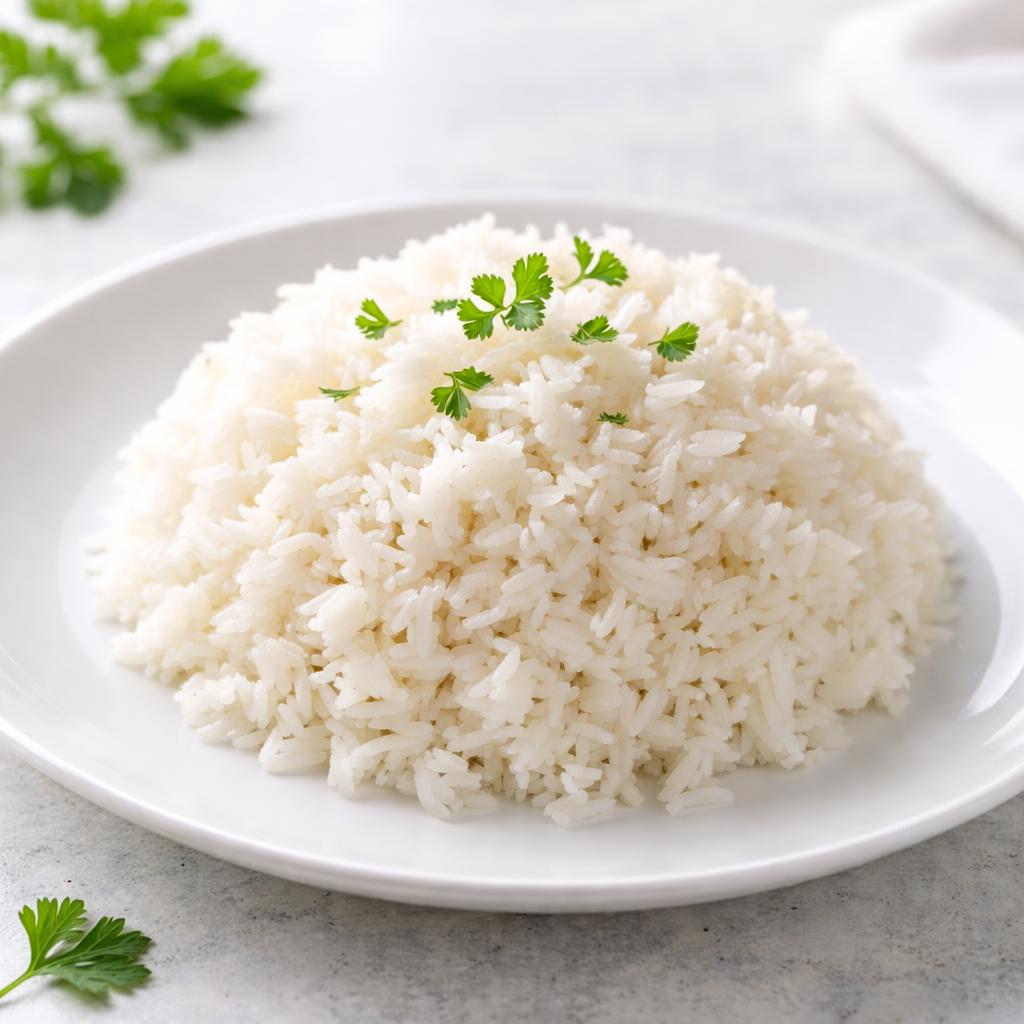
White Rice
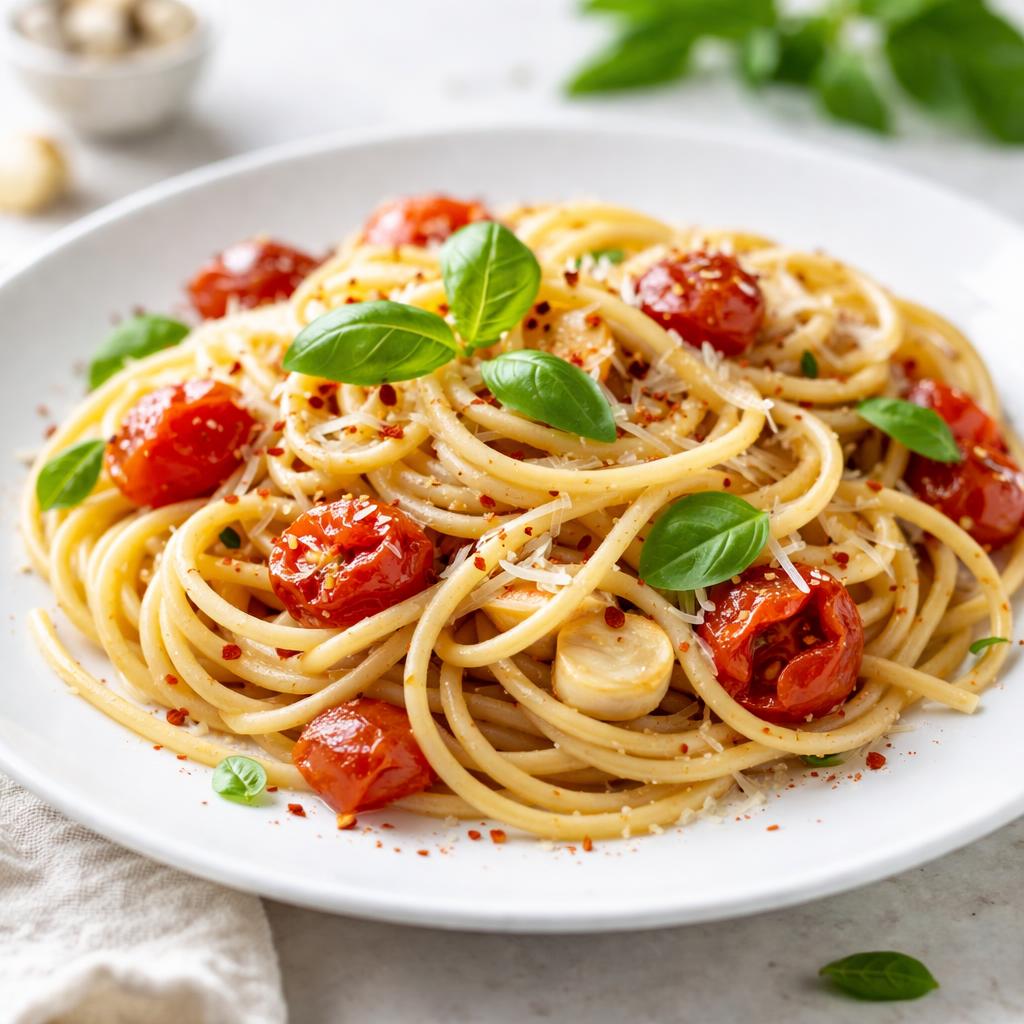
Pasta
🎯 Quick Verdict
White rice is lower in calories and is a good source of quick digestible energy, making it ideal for athletes or those needing easily absorbable carbs. Pasta offers more protein and fiber per serving, while also containing some additional vitamins and minerals, making it better for sustained energy and satiety in balanced meals. Both pair well with a variety of foods but cater to different nutritional goals.

Smart Nutrition Tracking with SnapCalorie

📊 Nutritional Comparison
Macronutrients
| Nutrient | Food 1 | Food 2 | Winner |
|---|---|---|---|
| Calories | 130 | 200 | ✓ |
| Protein | 2.7g | 7g | ✓ |
| Carbs | 28g | 41g | ✓ |
| Fat | 0.3g | 1g | ✓ |
| Fiber | 0.4g | 2.5g | ✓ |
Vitamins & Minerals
| Nutrient | Food 1 | Food 2 | Winner |
|---|---|---|---|
| Vitamin D | 0mcg | 0mcg | − |
| Calcium | 10mg | 20mg | ✓ |
| Iron | 0.2mg | 1.9mg | ✓ |
🏆 Category Winners
Protein
Pasta contains over 150% more protein per serving compared to white rice.
Fiber
Pasta is significantly higher in fiber, promoting better digestion and satiety.
Calories
White rice is lower in calories, ideal for those prioritizing energy control.
Vitamins
Pasta offers higher amounts of calcium and iron.
🥗 Diet Compatibility
Keto
Food 1: Not Compatible
Food 2: Not Compatible
Both are high-carb foods not suitable for keto diets.
Vegan
Food 1: Compatible
Food 2: Compatible
Both foods are plant-based and compatible with vegan diets.
Gluten Free
Food 1: Compatible
Food 2: Not Compatible
White rice is naturally gluten-free, while traditional pasta contains gluten.
Paleo
Food 1: Generally Compatible
Food 2: Not Compatible
White rice may fit into paleo diets in moderation, but pasta typically does not.
Low Carb
Food 1: Not Compatible
Food 2: Not Compatible
Both foods are high in carbohydrates and not suited for low-carb diets.
💪 Health Benefits Comparison
Food 1 Benefits
- Provides quick digestible energy, ideal for athletes or post-exercise recovery.
- Low in fat, suitable for low-fat diets.
- Gluten-free, catering to those with gluten sensitivities.
Food 2 Benefits
- Higher protein content for muscle repair and maintenance.
- Rich in fiber, which aids digestion and promotes satiety.
- Good source of iron, supporting oxygen transport in the body.
✅ The Bottom Line
Choose white rice for lower calorie needs and gluten-free meals, especially when quick energy is desired. Opt for pasta for higher protein and fiber, making it more suitable for longer-lasting energy and filling meals.
Choose Food 1 for: Quick energy, gluten-free diets, post-workout carb loading.
Choose Food 2 for: Balanced meals, sustained energy, higher nutritional density.


