White Rice VS Mushrooms
A detailed nutritional comparison
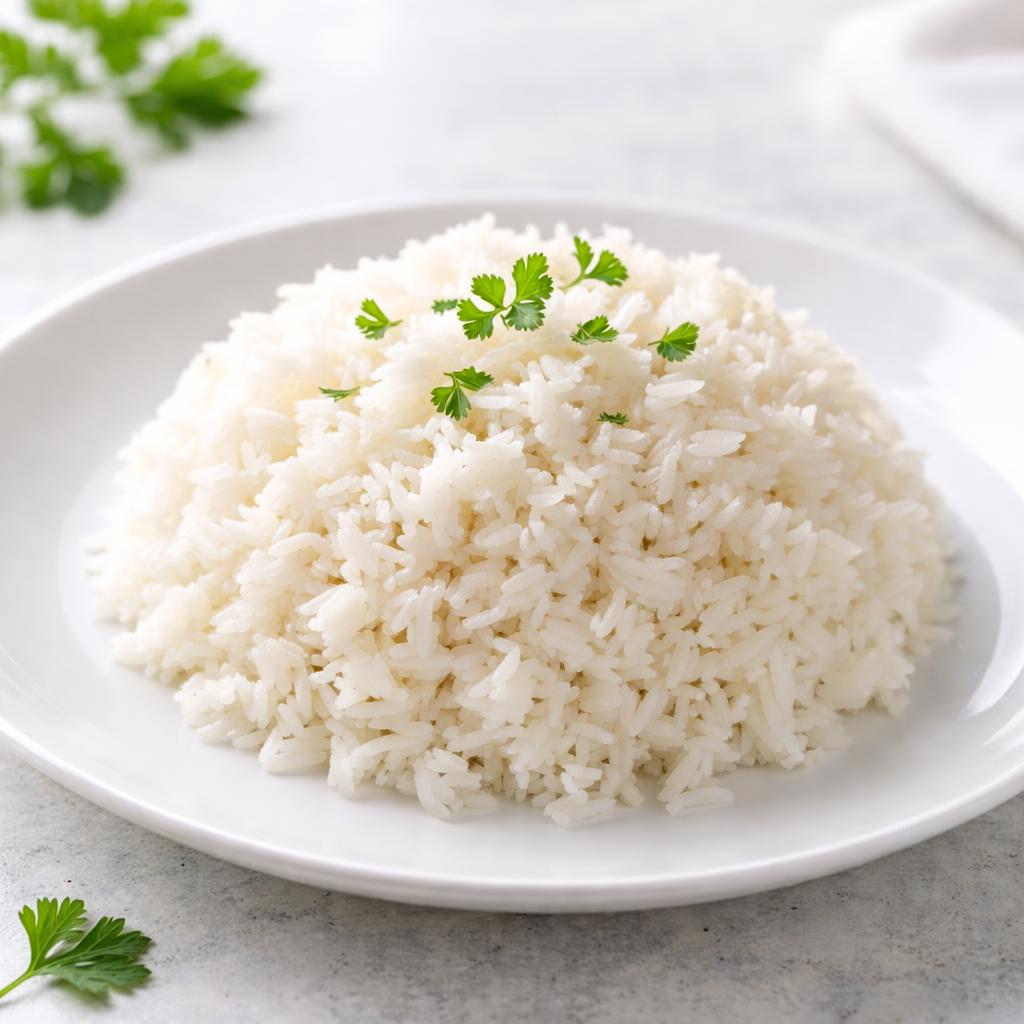
White Rice
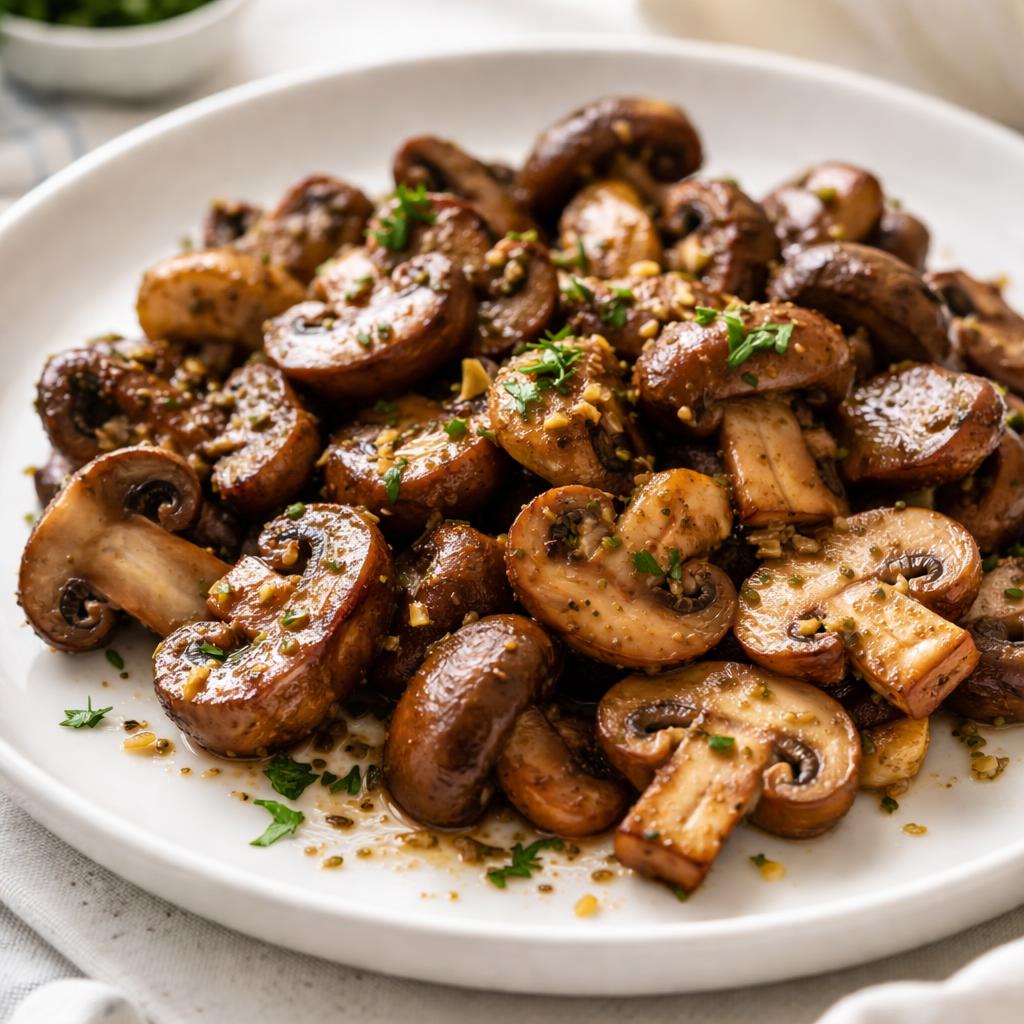
Mushrooms
🎯 Quick Verdict
Mushrooms outperform white rice nutritionally in multiple areas, offering significantly more protein, fiber, and fewer calories per serving. White rice is primarily a source of easy-to-digest carbohydrates, making it suitable for energy replenishment, while mushrooms excel in nutrient density and versatility for health-centric diets.

Smart Nutrition Tracking with SnapCalorie

📊 Nutritional Comparison
Macronutrients
| Nutrient | Food 1 | Food 2 | Winner |
|---|---|---|---|
| Calories | 130 per 1 cup cooked | 15 per 1 cup raw | ✓ |
| Protein | 2.7g | 2.2g | − |
| Carbs | 28g | 3.3g | ✓ |
| Fat | 0.3g | 0.2g | ✓ |
| Fiber | 0.4g | 1.0g | ✓ |
Vitamins & Minerals
| Nutrient | Food 1 | Food 2 | Winner |
|---|---|---|---|
| Vitamin D | 0mcg | 0.2mcg | ✓ |
| Potassium | 35mg | 223mg | ✓ |
| Vitamin B6 | 0.0mg | 0.1mg | ✓ |
🏆 Category Winners
Protein
Both white rice and mushrooms provide comparable protein amounts per serving.
Fiber
Mushrooms contain 150% more fiber, aiding digestion.
Calories
Mushrooms are extremely low in calories compared to white rice.
Vitamins
Mushrooms offer small but crucial quantities of Vitamin D, Potassium, and Vitamin B6 not found in white rice.
🥗 Diet Compatibility
Keto
Food 1: Not Compatible
Food 2: Compatible
Mushroom's low carb content (3.3g per cup) aligns with keto guidelines.
Vegan
Food 1: Compatible
Food 2: Compatible
Both are plant-based foods suitable for vegan diets.
Gluten Free
Food 1: Compatible
Food 2: Compatible
Neither contains gluten, making them safe for gluten-free diets.
Paleo
Food 1: Compatible
Food 2: Compatible
Both are unprocessed whole foods allowed in paleo diets.
Low-Carb
Food 1: Not Compatible
Food 2: Compatible
Mushrooms meet the low-carb criteria due to their minimal carbohydrate content.
💪 Health Benefits Comparison
Food 1 Benefits
- Easy-to-digest source of energy from carbohydrates
- Low in fat and virtually cholesterol-free
- Serves as a versatile base in many dishes
Food 2 Benefits
- Rich in antioxidants to reduce inflammation
- Good source of Vitamin D for bone health
- Contains potassium to support heart function
- Low-calorie and nutrient-dense, aids in weight management
✅ The Bottom Line
White rice is best suited for individuals needing a quick and easily digestible source of energy, such as during recovery or intense physical activity. Mushrooms are ideal for nutrient-dense, low-calorie meals and are better suited for health-focused diets like keto or paleo.
Choose Food 1 for: Energy replenishment, easy digestion, versatile meal base
Choose Food 2 for: Weight management, nutrient density, health-conscious diets


