White Rice VS Mousse
A detailed nutritional comparison
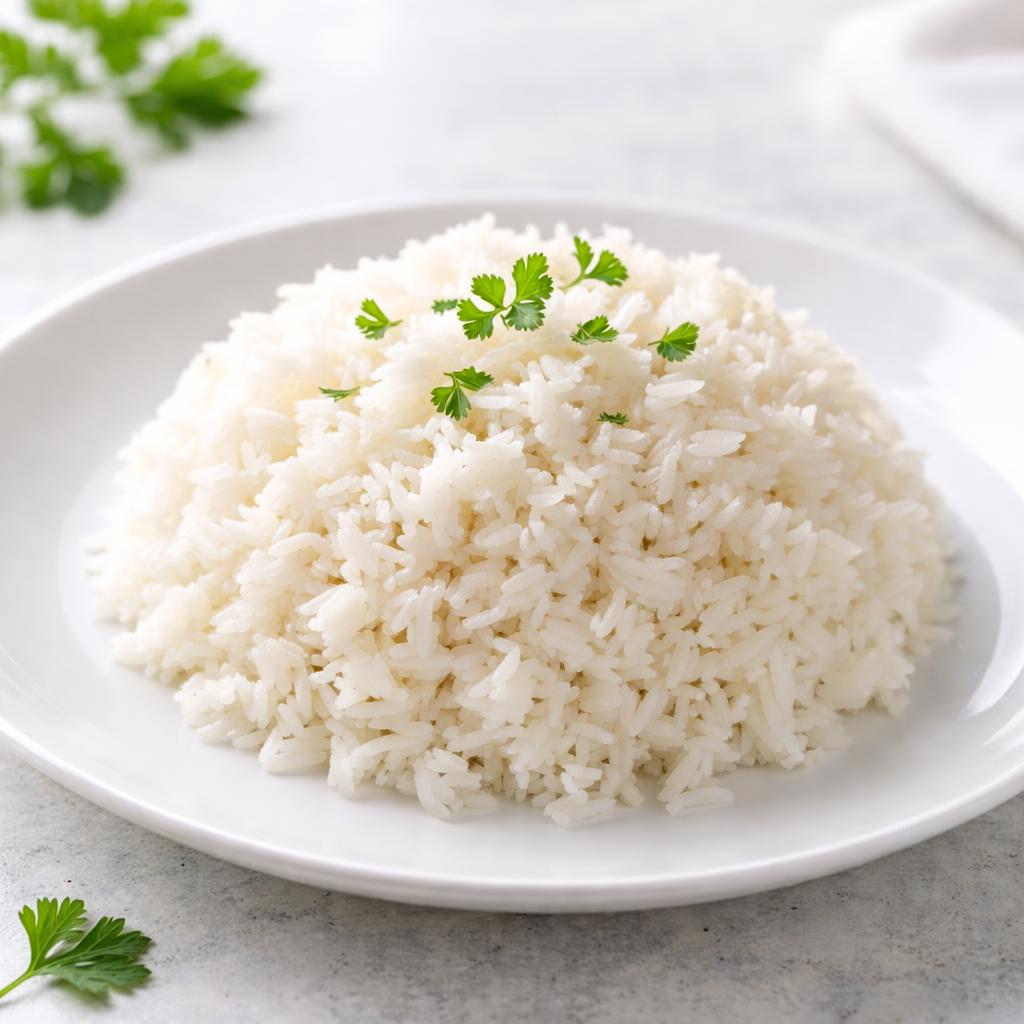
White Rice

Mousse
🎯 Quick Verdict
White rice is lower in calories and carbs, making it a suitable option for those looking to manage their calorie intake or follow a low-carb diet. Mousse, while higher in calories, offers more protein, fiber, and essential nutrients, making it a better choice for those seeking a nutrient-dense dessert or energy boost.

Smart Nutrition Tracking with SnapCalorie

📊 Nutritional Comparison
Macronutrients
| Nutrient | Food 1 | Food 2 | Winner |
|---|---|---|---|
| Calories | 130 | 250 | ✓ |
| Protein | 2g | 6g | ✓ |
| Carbs | 28g | 22g | ✓ |
| Fat | 0.3g | 15g | ✓ |
| Fiber | 0.4g | 3g | ✓ |
Vitamins & Minerals
| Nutrient | Food 1 | Food 2 | Winner |
|---|---|---|---|
| Vitamin C | 0mg | 2mg | ✓ |
| Calcium | 10mg | 50mg | ✓ |
| Iron | 0.2mg | 1mg | ✓ |
🏆 Category Winners
Protein
Mousse contains three times more protein than white rice.
Fiber
Mousse provides significantly more fiber, aiding digestion.
Calories
White rice is lower in calories, making it lighter for consumption.
🥗 Diet Compatibility
Keto
Food 1: Not Compatible
Food 2: Not Compatible
High carb content in both rules them out for keto diets.
Vegan
Food 1: Compatible
Food 2: Not Compatible
White rice is plant-based, while mousse often contains dairy products.
Gluten Free
Food 1: Compatible
Food 2: Not Always Compatible
White rice is naturally gluten-free, but mousse may contain gluten depending on preparation.
Paleo
Food 1: Compatible
Food 2: Not Compatible
White rice fits paleo guidelines, while mousse commonly includes modern processed ingredients.
Low-Carb
Food 1: Not Compatible
Food 2: Not Compatible
Both foods are too high in carbohydrates for a strict low-carb diet.
💪 Health Benefits Comparison
Food 1 Benefits
- Low in fat, making it heart-friendly.
- Good source of quick energy due to high carbohydrate content.
- Gluten-free and easy to digest.
Food 2 Benefits
- Higher protein content supports muscle repair and energy.
- Contains fiber that aids digestion and promotes gut health.
- Vitamin and mineral content supports overall health and immunity.
✅ The Bottom Line
White rice is ideal when calorie control and quick energy are primary goals, such as during a workout carb-load or as part of a low-fat meal plan. Mousse, being nutrient-dense with higher protein and fiber, is better suited for indulgence and post-workout recovery, or as a treat providing essential nutrients.
Choose Food 1 for: Low-calorie meals, gluten-free diets, digestion-sensitive individuals
Choose Food 2 for: Rich snack, nutrient replenishment, muscle recovery


