White Rice VS Melon
A detailed nutritional comparison
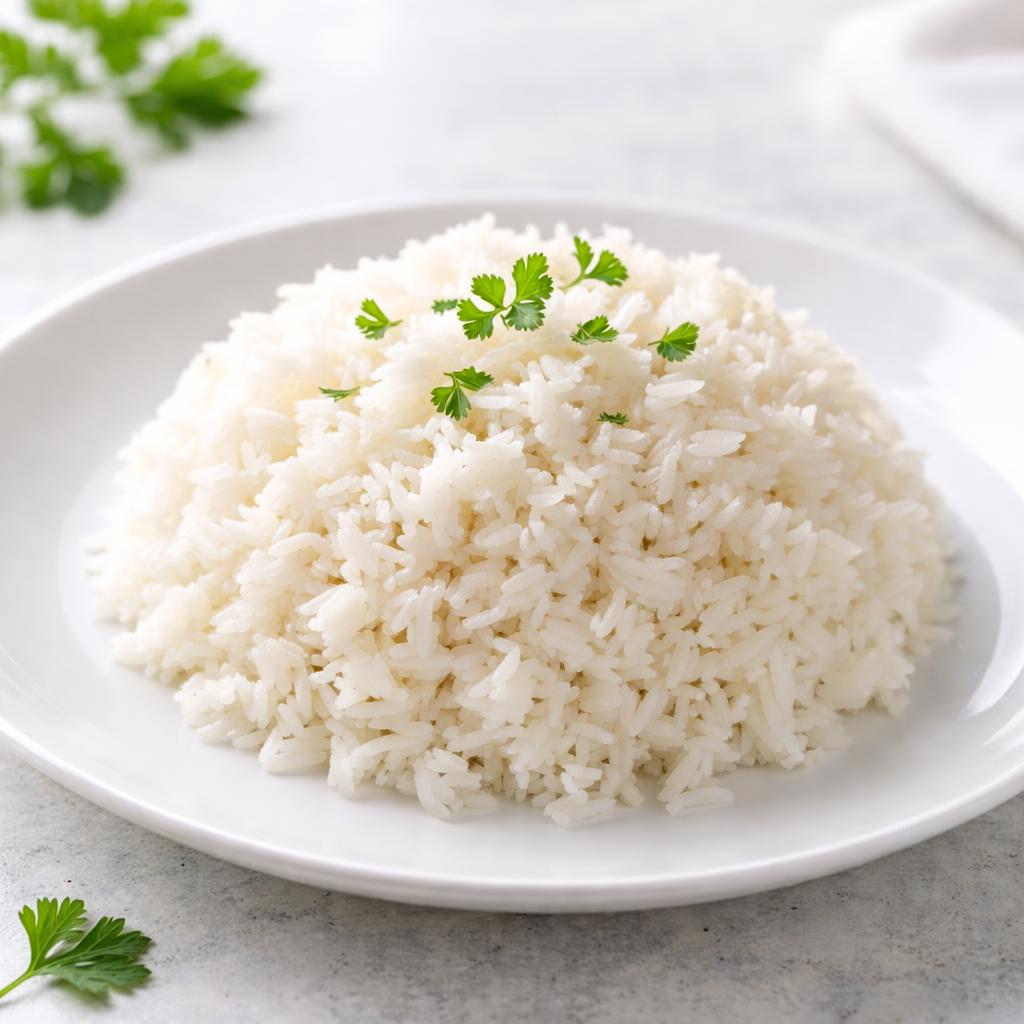
White Rice
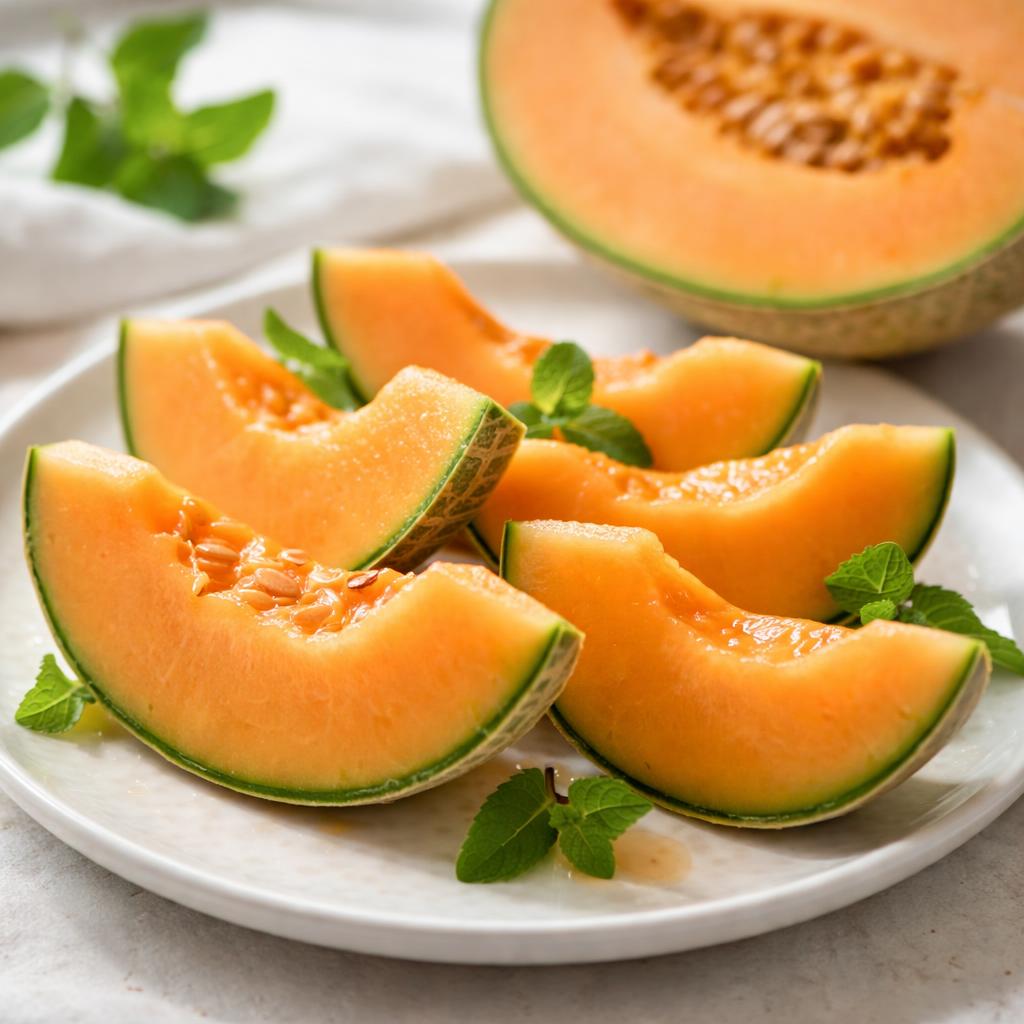
Melon
🎯 Quick Verdict
White rice is higher in calories and protein but offers minimal fiber and vitamins. Melon is lower in calories, contains more fiber, and is rich in antioxidants and hydration-promoting nutrients. White rice is ideal for energy and recovery, while melon is better for hydration, digestion, and vitamin C intake.

Smart Nutrition Tracking with SnapCalorie

📊 Nutritional Comparison
Macronutrients
| Nutrient | Food 1 | Food 2 | Winner |
|---|---|---|---|
| Calories | 130 | 60 | ✓ |
| Protein | 2.7g | 0.7g | ✓ |
| Carbs | 28g | 15g | ✓ |
| Fat | 0.3g | 0.2g | ✓ |
| Fiber | 0.4g | 1.5g | ✓ |
Vitamins & Minerals
| Nutrient | Food 1 | Food 2 | Winner |
|---|---|---|---|
| Vitamin C | 0mg | 36mg | ✓ |
| Vitamin A | 0IU | 3300IU | ✓ |
| Potassium | 35mg | 300mg | ✓ |
🏆 Category Winners
Protein
White rice has nearly four times more protein per serving.
Fiber
Melon has significantly more fiber, promoting better digestion.
Calories
Melon contains less than half the calories of white rice.
Vitamins
Melon is rich in Vitamin C, Vitamin A, and potassium while white rice provides minimal micronutrients.
🥗 Diet Compatibility
Keto
Food 1: Not Compatible
Food 2: Partially Compatible
Both are moderately carb-heavy, but melon has slightly fewer carbs.
Vegan
Food 1: Compatible
Food 2: Compatible
Both are plant-based foods.
Gluten Free
Food 1: Compatible
Food 2: Compatible
Neither white rice nor melon contain gluten.
Paleo
Food 1: Compatible
Food 2: Compatible
Both are whole, minimally processed foods suitable for paleo diets.
Low-Carb
Food 1: Not Compatible
Food 2: Partially Compatible
Both foods are carb-heavy, but melon has fewer carbs per serving than white rice.
💪 Health Benefits Comparison
Food 1 Benefits
- Provides energy through complex carbohydrates
- Low fat content
- Easily digestible for sensitive stomachs
Food 2 Benefits
- Rich in Vitamin C for immune health
- High water content for hydration
- Contains antioxidants and potassium for heart health
- Supports digestion due to fiber content
✅ The Bottom Line
Choose white rice when you need a quick source of energy, such as before or after exercising, or to pair with protein-rich dishes. Opt for melon as a refreshing, low-calorie snack that supports hydration, digestion, and vitamin intake.
Choose Food 1 for: Energy boost, meals requiring starchy carbs, post-workout recovery
Choose Food 2 for: Hydration, light snacks, digestive health, immune support


