White Rice VS Ketchup
A detailed nutritional comparison
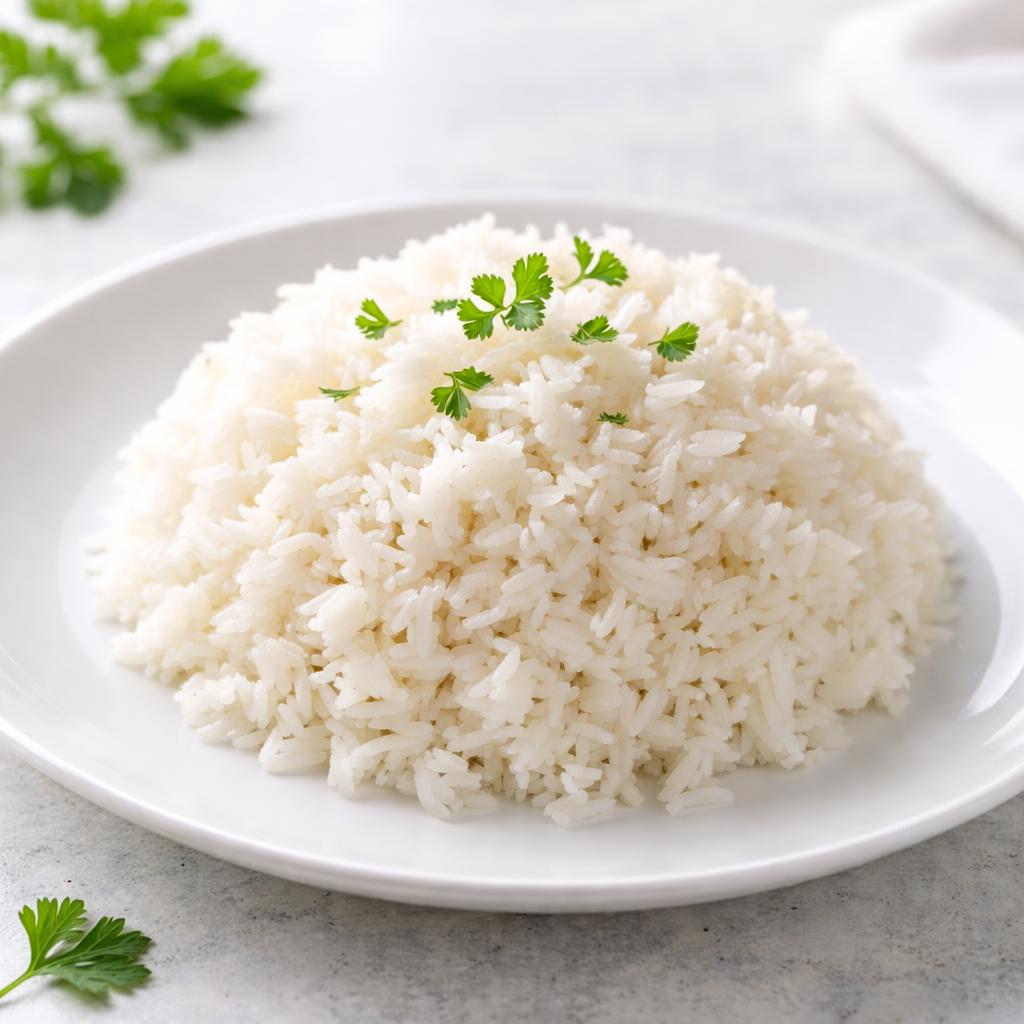
White Rice
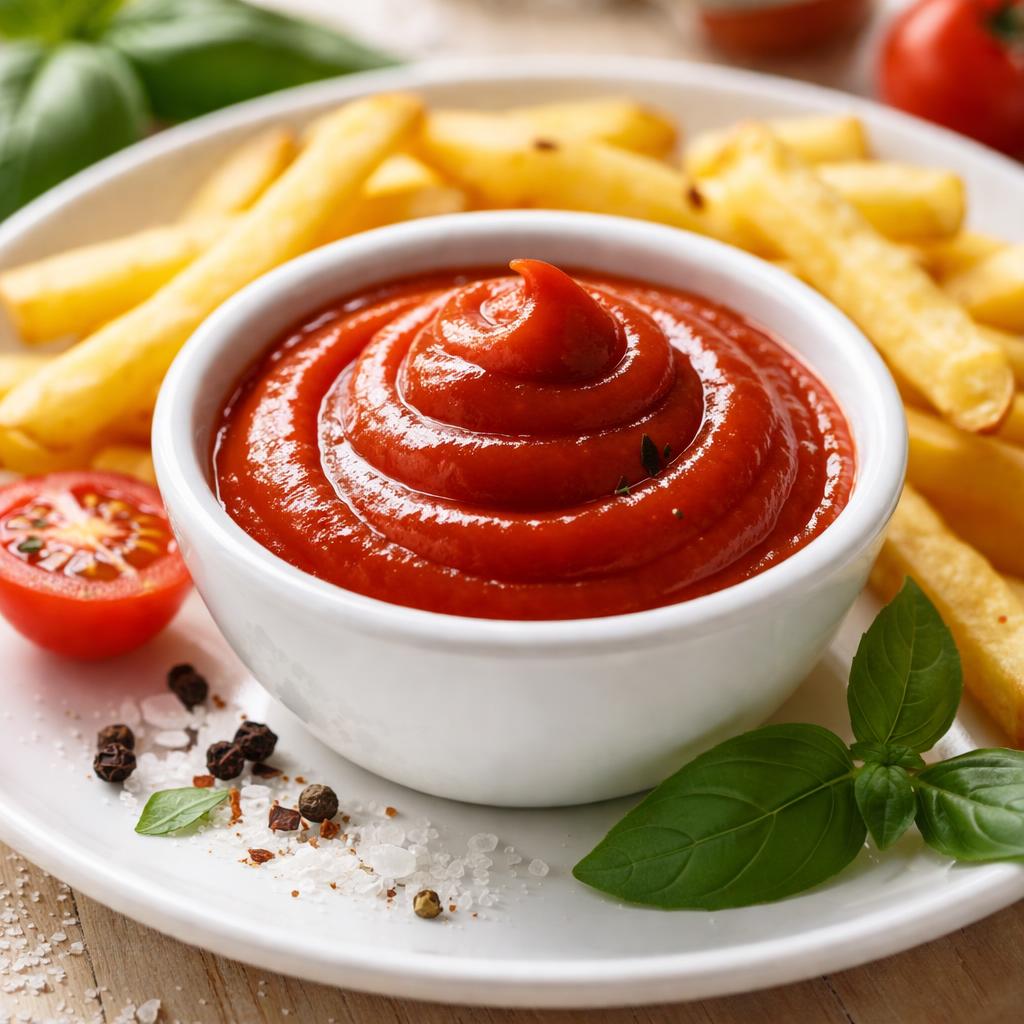
Ketchup
🎯 Quick Verdict
White rice and ketchup differ significantly in their nutritional profiles. White rice is higher in protein, lower in calories, and provides more sustained energy as a carbohydrate source. Ketchup contains sugar and sodium but offers antioxidants from tomatoes, making it better suited as a condiment than a standalone food.

Smart Nutrition Tracking with SnapCalorie

📊 Nutritional Comparison
Macronutrients
| Nutrient | Food 1 | Food 2 | Winner |
|---|---|---|---|
| Calories | 130 | 100 | ✓ |
| Protein | 2.7g | 0.3g | ✓ |
| Carbs | 28g | 23g | ✓ |
| Fat | 0.3g | 0g | ✓ |
| Fiber | 0.4g | 0.4g | − |
Vitamins & Minerals
| Nutrient | Food 1 | Food 2 | Winner |
|---|---|---|---|
| Vitamin A | 0mcg | 15mcg | ✓ |
| Vitamin C | 0mg | 4mg | ✓ |
| Iron | 0.2mg | 0.1mg | ✓ |
| Potassium | 35mg | 130mg | ✓ |
🏆 Category Winners
Protein
White rice provides nearly 10 times more protein than ketchup per serving.
Fiber
Both foods offer minimal fiber, providing 0.4g per serving each.
Calories
Ketchup is lower in calories, offering only 100 kcal per serving vs. white rice's 130 kcal.
Vitamins
Ketchup contains vitamin C and vitamin A, whereas white rice lacks these nutrients.
🥗 Diet Compatibility
Keto
Food 1: Not Compatible
Food 2: Not Compatible
Both foods are high in carbohydrates and not suitable for a ketogenic diet.
Vegan
Food 1: Compatible
Food 2: Compatible
Both foods are plant-based and vegan-friendly.
Gluten Free
Food 1: Compatible
Food 2: Compatible
Neither food contains gluten, making them suitable for gluten-free diets.
Paleo
Food 1: Compatible
Food 2: Not Compatible
White rice can be acceptable in some paleo diets, but ketchup often contains added sugars, which are not paleo-compliant.
Low-Carb
Food 1: Not Compatible
Food 2: Not Compatible
Both foods are high in carbs, making them unsuitable for low-carb diets.
💪 Health Benefits Comparison
Food 1 Benefits
- Provides a quick source of carbohydrates for energy.
- Low in fat, making it suitable for low-fat diets.
- Easy to digest, beneficial for individuals with sensitive stomachs.
Food 2 Benefits
- Contains lycopene and antioxidants from tomatoes, which support heart health.
- Provides vitamin C, aiding immune function.
- Low in fat and can enhance the flavor of various dishes.
✅ The Bottom Line
White rice is a versatile carbohydrate source, ideal for meals requiring energy and a neutral base. Ketchup, on the other hand, is best as a condiment, adding flavor and a small boost of vitamin C and antioxidants to dishes. Both have their strengths depending on food use contexts.
Choose Food 1 for: Energy-dense meals, post-exercise replenishment, easy digestion.
Choose Food 2 for: Flavor enhancement, antioxidant intake, supports immune function.


