White Rice VS Kaiser Roll
A detailed nutritional comparison
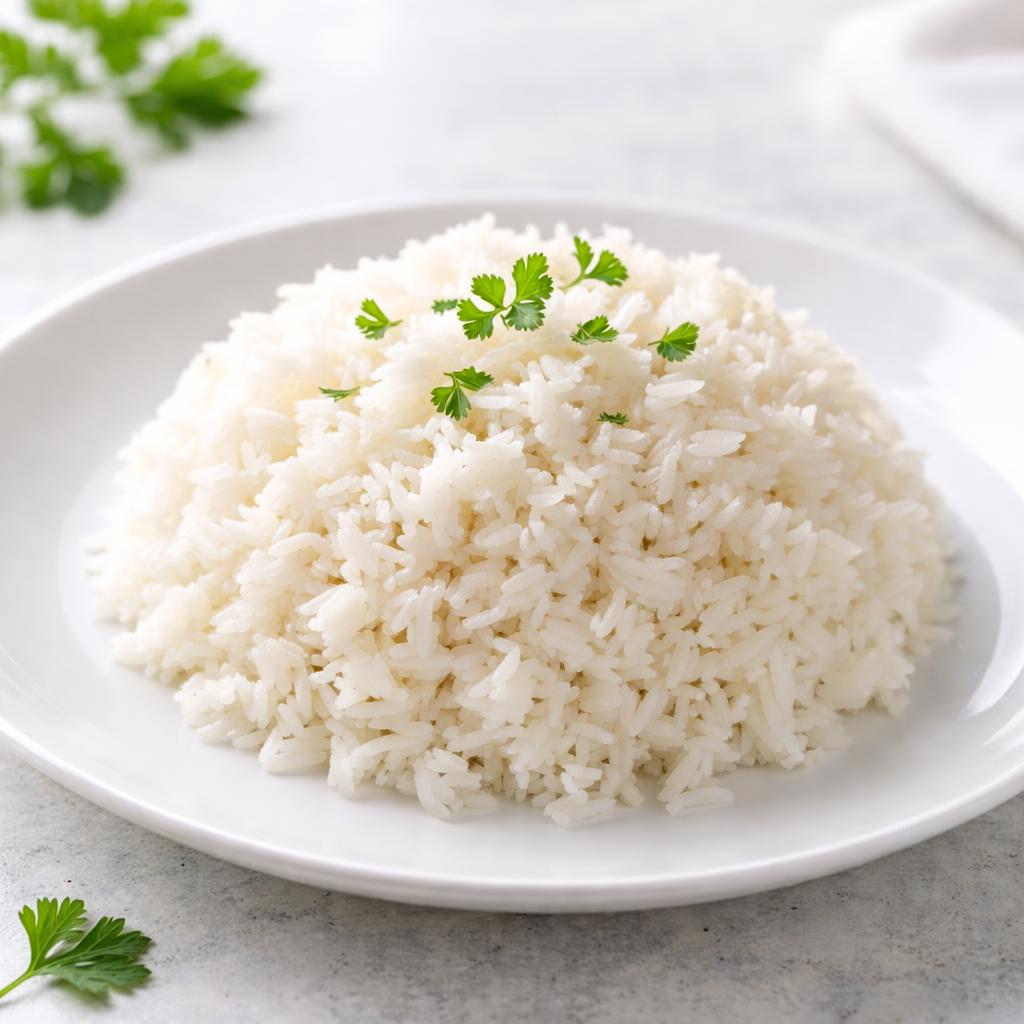
White Rice
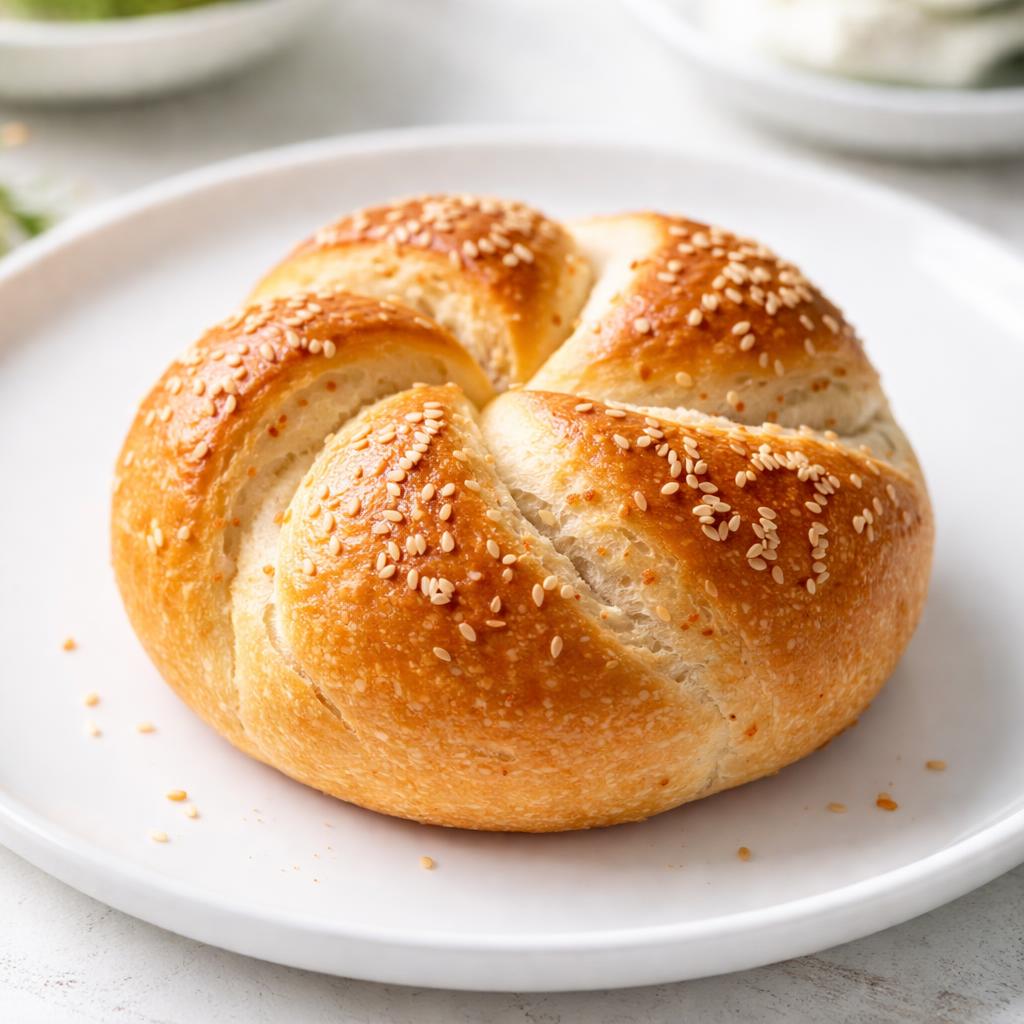
Kaiser Roll
🎯 Quick Verdict
White rice and kaiser rolls differ significantly in their nutritional profiles. White rice is lower in calories and fat, while the kaiser roll provides more protein and fiber, making it a better pick for satiety. White rice is ideal for carb-focused meals, whereas kaiser rolls are more balanced for everyday consumption or sandwiches.

Smart Nutrition Tracking with SnapCalorie

📊 Nutritional Comparison
Macronutrients
| Nutrient | Food 1 | Food 2 | Winner |
|---|---|---|---|
| Calories | 130 | 190 | ✓ |
| Protein | 2.5g | 6g | ✓ |
| Carbs | 28g | 34g | ✓ |
| Fat | 0.3g | 4g | ✓ |
| Fiber | 0.4g | 2g | ✓ |
Vitamins & Minerals
| Nutrient | Food 1 | Food 2 | Winner |
|---|---|---|---|
| Vitamin B1 (Thiamine) | 0.06mg | 0.2mg | ✓ |
| Calcium | 5mg | 50mg | ✓ |
| Iron | 0.2mg | 1.7mg | ✓ |
🏆 Category Winners
Protein
Kaiser roll delivers over twice as much protein per serving.
Fiber
Kaiser roll contains 5 times more fiber, aiding digestion and satiety.
Calories
White rice has 30% fewer calories compared to kaiser roll.
Vitamins
Kaiser roll provides higher levels of important micronutrients such as thiamine, calcium, and iron.
🥗 Diet Compatibility
Keto
Food 1: Not Compatible
Food 2: Not Compatible
Both foods are high in carbs, making them unsuitable for keto diets.
Vegan
Food 1: Compatible
Food 2: Compatible
Both white rice and kaiser rolls are plant-based.
Gluten Free
Food 1: Compatible
Food 2: Not Compatible
White rice is naturally gluten-free, whereas kaiser rolls contain wheat.
Paleo
Food 1: Not Compatible
Food 2: Not Compatible
Both foods are processed and not allowed on strict paleo diets.
Low-Carb
Food 1: Not Compatible
Food 2: Not Compatible
Both are high-carb foods, unsuitable for low-carb dietary needs.
💪 Health Benefits Comparison
Food 1 Benefits
- Provides quick energy due to simple carbohydrates
- Low in fat, suitable for low-fat diets
- Naturally gluten-free, suitable for those with gluten intolerance
Food 2 Benefits
- High in protein for muscle repair and maintenance
- Contains decent fiber for improved digestion
- Provides essential vitamins and minerals (iron, calcium, thiamine)
✅ The Bottom Line
If you need a low-calorie, gluten-free option, white rice is the better choice. For balanced meals with higher protein and fiber content, opt for kaiser rolls. Both foods serve distinct purposes and can complement different meal plans effectively.
Choose Food 1 for: Lower calorie meals, gluten-free diets, carb loading
Choose Food 2 for: Sandwiches, high-satiety meals, nutrient balance


