White Rice VS Injera
A detailed nutritional comparison
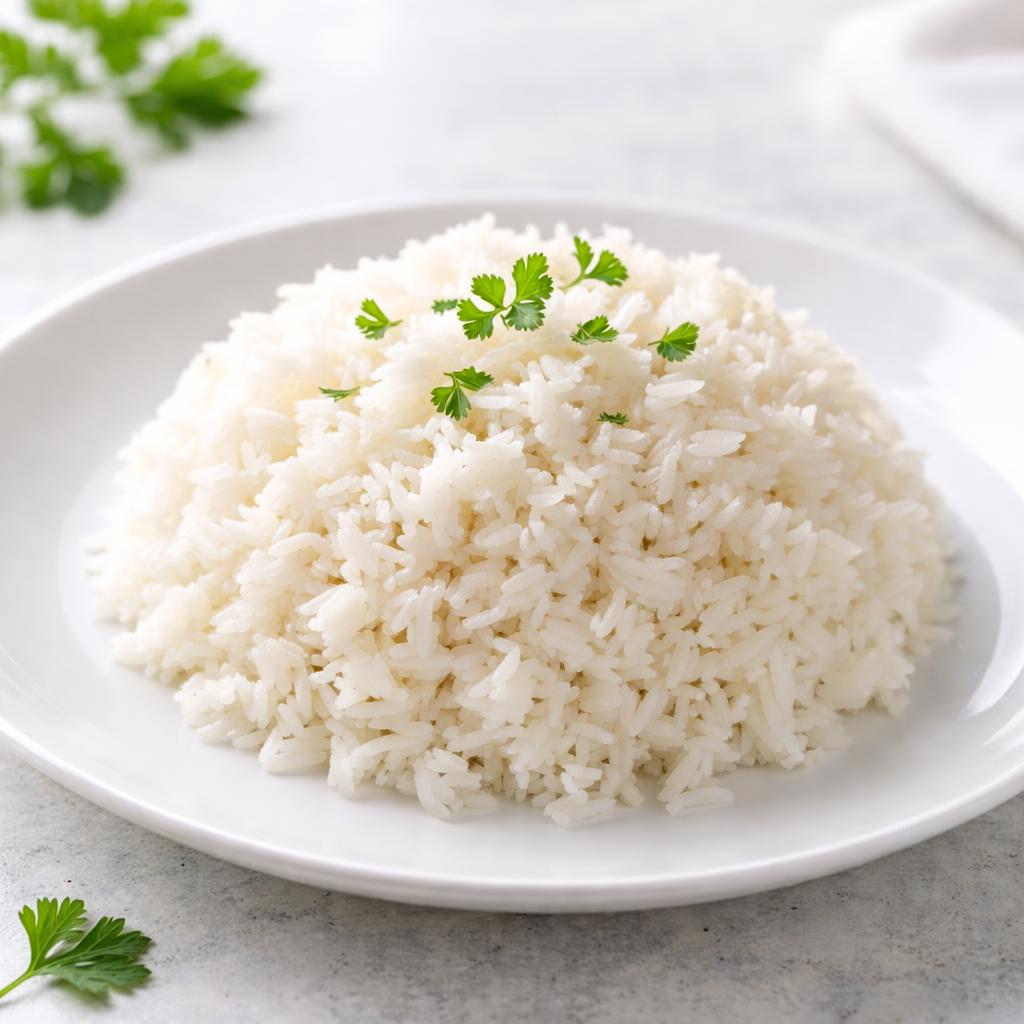
White Rice
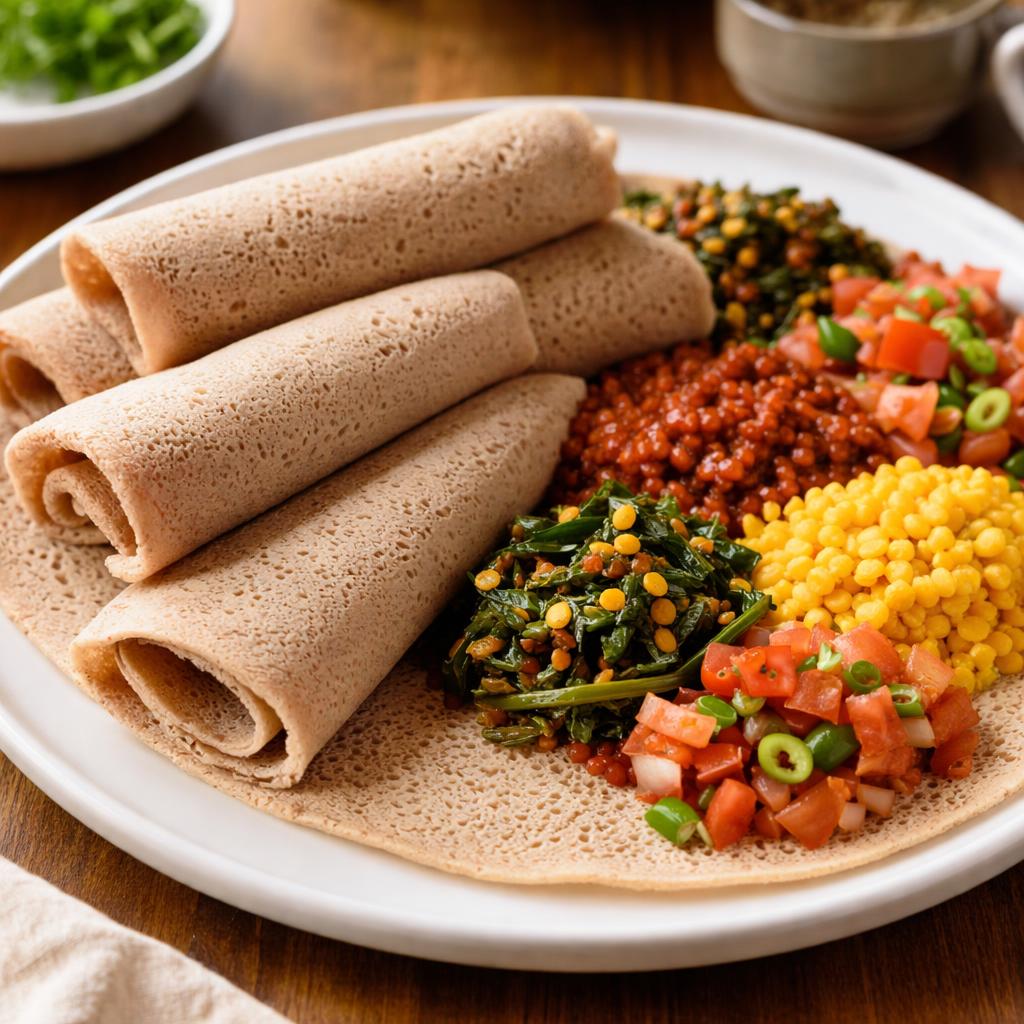
Injera
🎯 Quick Verdict
Injera outshines white rice nutritionally with higher protein (4g vs. 2.7g per 100g) and fiber (2g vs. 0.3g per 100g). White rice, however, is lower in calories (130 vs. 166 per 100g) and carbs. White rice may suit individuals seeking a low-fiber base food or lower-calorie option, while injera fits better for those needing nutrient-rich and fiber-packed choices with added protein benefits.

Smart Nutrition Tracking with SnapCalorie

📊 Nutritional Comparison
Macronutrients
| Nutrient | Food 1 | Food 2 | Winner |
|---|---|---|---|
| Calories | 130kcal | 166kcal | ✓ |
| Protein | 2.7g | 4g | ✓ |
| Carbs | 28g | 33g | ✓ |
| Fat | 0.3g | 0.7g | ✓ |
| Fiber | 0.3g | 2g | ✓ |
Vitamins & Minerals
| Nutrient | Food 1 | Food 2 | Winner |
|---|---|---|---|
| Vitamin B1 (Thiamine) | 0.02mg | 0.12mg | ✓ |
| Calcium | 10mg | 80mg | ✓ |
| Iron | 0.1mg | 2mg | ✓ |
| Magnesium | 12mg | 40mg | ✓ |
🏆 Category Winners
Protein
Injera provides significantly more protein, making it better for muscle maintenance compared to white rice.
Fiber
Injera contains over 6 times the amount of fiber per serving compared to white rice.
Calories
White rice is lower calorie, which can benefit individuals on calorie-restricted diets.
Vitamins
Injera is nutrient-dense with more thiamine, calcium, iron, and magnesium compared to white rice.
🥗 Diet Compatibility
Keto
Food 1: Not Compatible
Food 2: Not Compatible
Both foods are high in carbs and not suitable for a ketogenic diet.
Vegan
Food 1: Compatible
Food 2: Compatible
Both foods are plant-based and fit into a vegan diet.
Gluten Free
Food 1: Compatible
Food 2: Not Compatible
White rice is naturally gluten-free, but injera contains teff, which may retain some gluten.
Paleo
Food 1: Not Compatible
Food 2: Partially Compatible
Teff-based injera may fit paleo criteria in moderation, while white rice is generally excluded.
Low Carb
Food 1: Not Compatible
Food 2: Not Compatible
Both foods are high in carbohydrates and not suitable for low-carb diets.
💪 Health Benefits Comparison
Food 1 Benefits
- Low-calorie option for weight management
- Contains simple carbohydrates for quick energy
- Easy to digest, suitable for individuals with sensitive stomachs
Food 2 Benefits
- Rich source of fiber, which promotes gut health
- Good source of iron, supporting blood health
- Contains calcium and magnesium for bone health
- Provides protein for muscle maintenance and satiety
✅ The Bottom Line
White rice works as a simple, easily digestible option for those needing a low-calorie base food, especially in calorie-controlled diets or quick energy meals. Injera, on the other hand, is a nutrient-dense choice better suited for individuals seeking fiber, protein, and essential minerals like iron and calcium. Each food excels in different contexts.
Choose Food 1 for: Weight management, low-fiber diets, simple carb energy source
Choose Food 2 for: Nutrient density, gut health, and higher protein diets


