White Rice VS Hard Salami
A detailed nutritional comparison
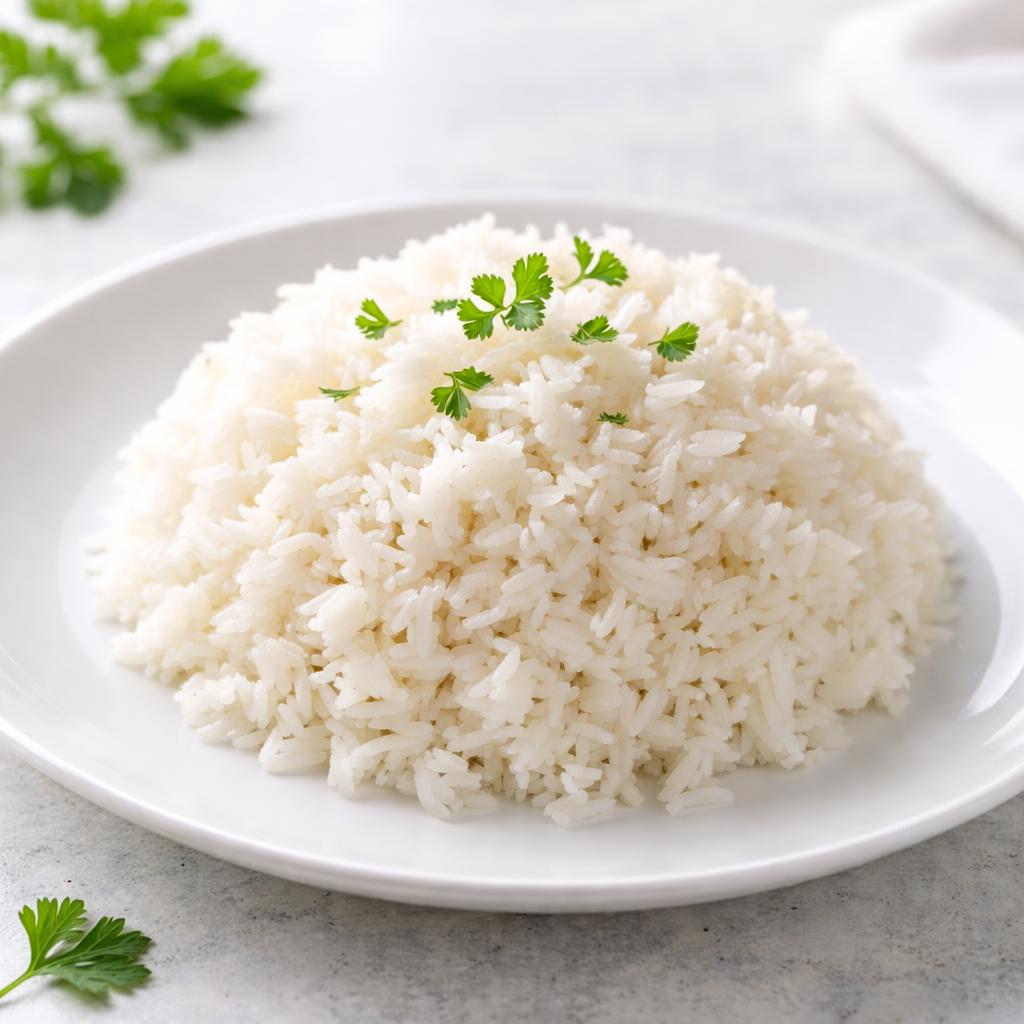
White Rice
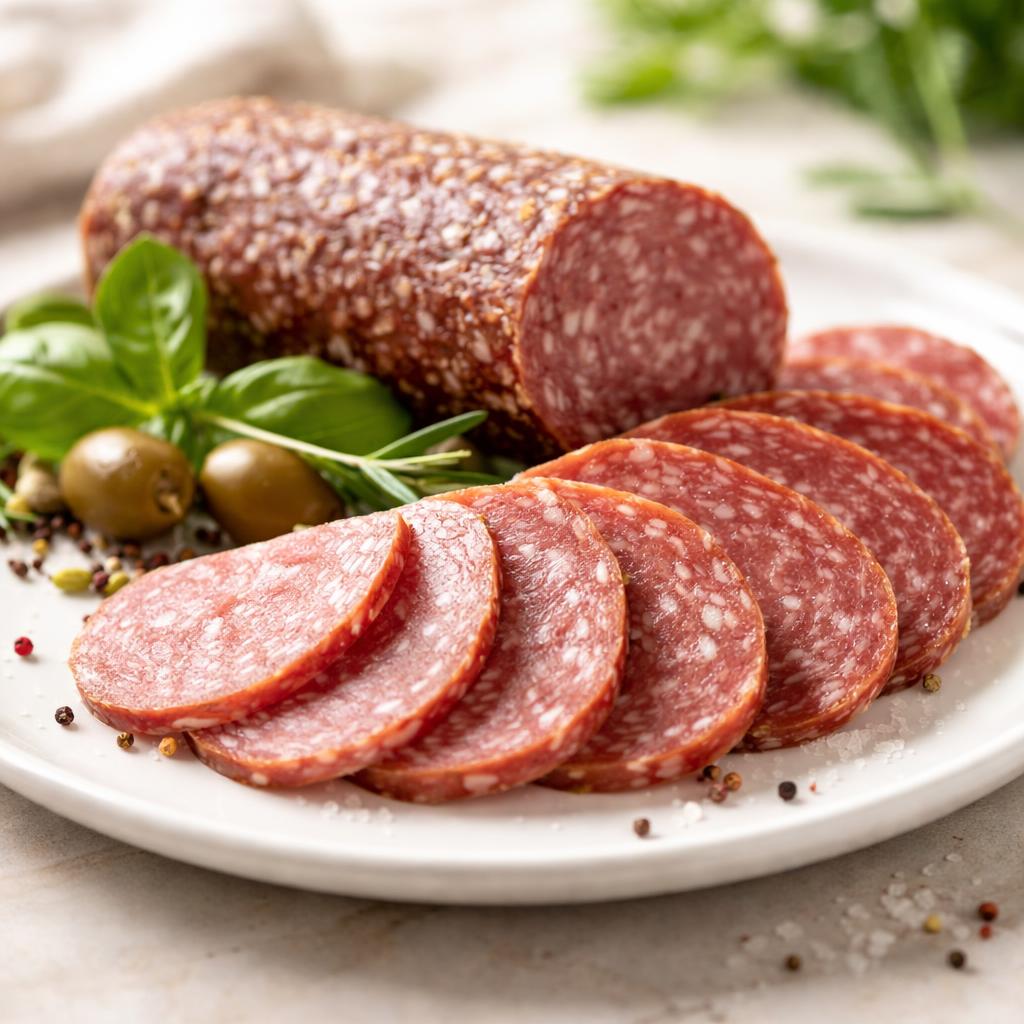
Hard Salami
🎯 Quick Verdict
White rice is predominantly a carbohydrate source with fewer calories but offers little protein and no fat, making it suitable for energy needs. On the other hand, hard salami is high in protein and fat, offering better satiety and nutrient density, but is also more calorie-dense. Choose white rice for quick energy or hard salami for better nutrition and sustained fullness.

Smart Nutrition Tracking with SnapCalorie

📊 Nutritional Comparison
Macronutrients
| Nutrient | Food 1 | Food 2 | Winner |
|---|---|---|---|
| Calories | 130 | 200 | ✓ |
| Protein | 2g | 15g | ✓ |
| Carbs | 28g | 1g | ✓ |
| Fat | 0g | 14g | ✓ |
| Fiber | 0g | 0g | − |
Vitamins & Minerals
| Nutrient | Food 1 | Food 2 | Winner |
|---|---|---|---|
| Vitamin D | 0mcg | 0.75mcg | ✓ |
| Calcium | 10mg | 20mg | ✓ |
| Iron | 0mg | 1.1mg | ✓ |
🏆 Category Winners
Protein
Hard salami has 15g of protein versus 2g in white rice, making it far superior.
Fiber
Neither food contains dietary fiber.
Calories
White rice has 35% fewer calories per serving than hard salami.
Vitamins
Hard salami is richer in vitamin D, calcium, and iron compared to white rice.
🥗 Diet Compatibility
Keto
Food 1: Not Compatible
Food 2: Compatible
Hard salami is high in fat and low in carbs, while white rice is carb-dense.
Vegan
Food 1: Compatible
Food 2: Not Compatible
White rice is plant-based, whereas hard salami comes from animal sources.
Gluten Free
Food 1: Compatible
Food 2: Compatible
Neither food contains gluten.
Paleo
Food 1: Not Compatible
Food 2: Compatible
Hard salami aligns with paleo principles; white rice does not due to grain processing.
Low-Carb
Food 1: Not Compatible
Food 2: Compatible
Hard salami is virtually carb-free, while white rice is carb-heavy.
💪 Health Benefits Comparison
Food 1 Benefits
- Provides a quick source of energy from carbohydrates
- Low in fat, making it suitable for low-fat diets
- Easy to digest, ideal for sensitive stomachs
Food 2 Benefits
- Rich in protein to support muscle repair and growth
- High in healthy fats for satiety and energy
- Contains iron for better oxygen transport and energy levels
- Provides vitamin D for bone health and immune support
✅ The Bottom Line
White rice is a great option for quick energy with fewer calories, making it ideal for athletes or those needing an easily digestible carb source. Hard salami offers higher protein, fat, and overall nutrient density, making it better suited for keto, paleo, or high-protein diets, as well as snacks that promote fullness.
Choose Food 1 for: Quick energy, low-fat diets, side dishes
Choose Food 2 for: Keto diets, high-protein needs, snacks to sustain satiety


