White Rice VS Grape Juice
A detailed nutritional comparison
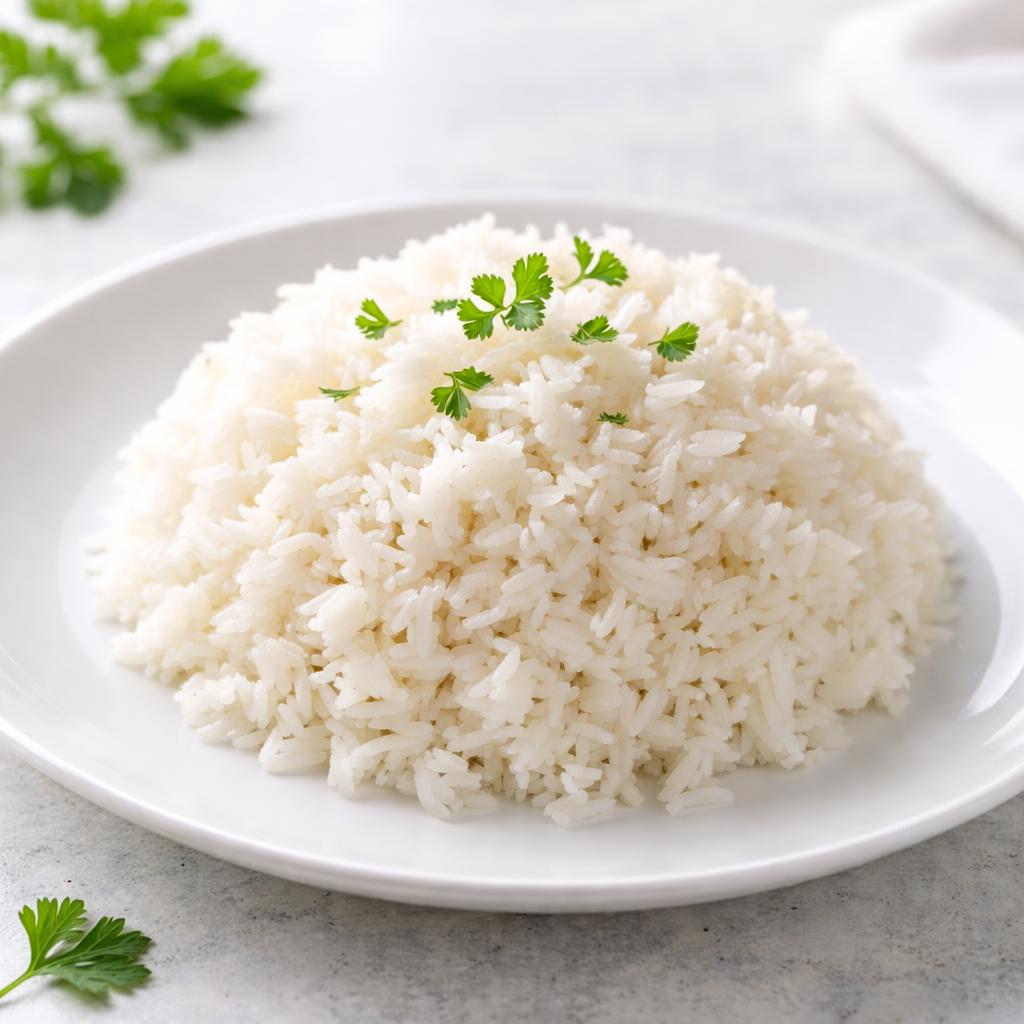
White Rice
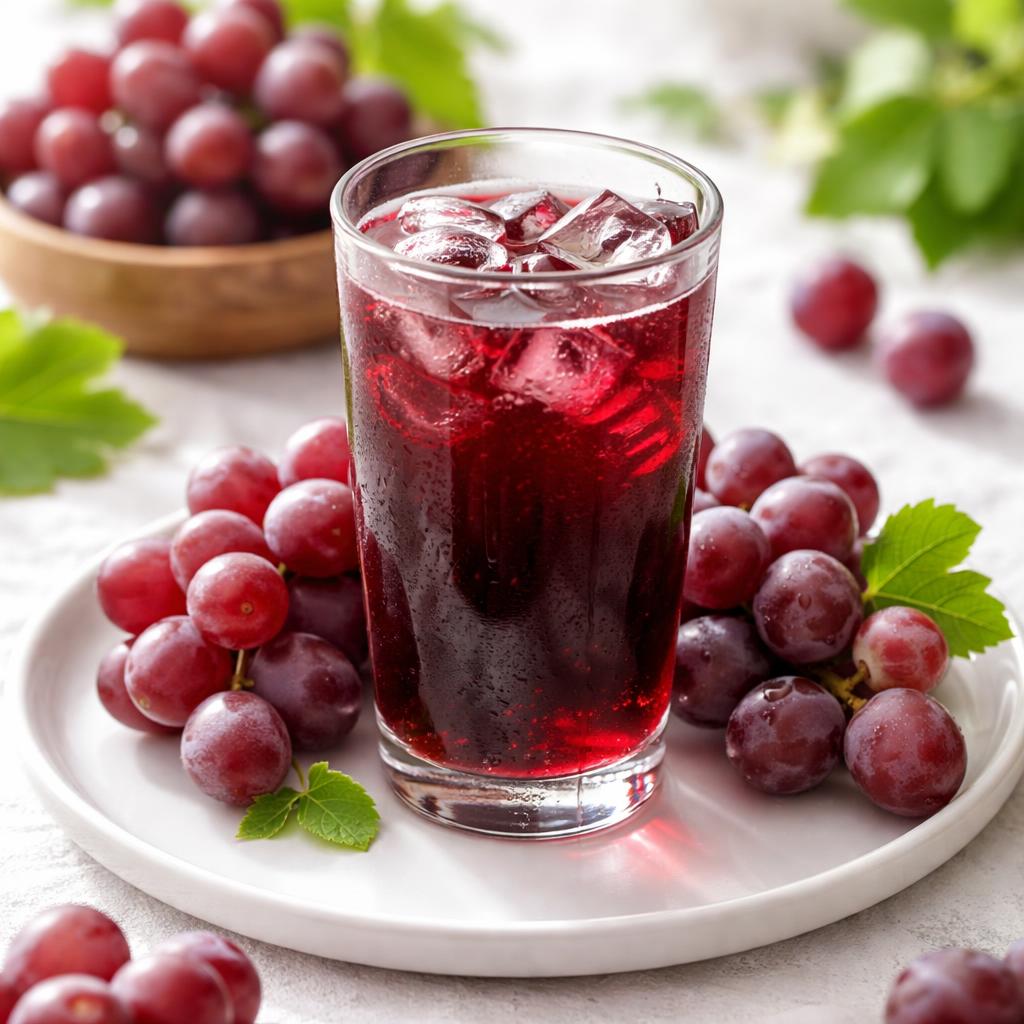
Grape Juice
🎯 Quick Verdict
White rice is a solid carbohydrate source with more protein and fiber but slightly higher calories. Grape juice provides quick energy through natural sugars and is lower in calories while offering antioxidants and vitamins but lacks protein and fiber. White rice suits meals and energy needs, while grape juice works as a refreshing drink or quick carbohydrate boost.

Smart Nutrition Tracking with SnapCalorie

📊 Nutritional Comparison
Macronutrients
| Nutrient | Food 1 | Food 2 | Winner |
|---|---|---|---|
| Calories | 206 | 150 | ✓ |
| Protein | 4.2g | 0.5g | ✓ |
| Carbs | 45g | 37g | ✓ |
| Fat | 0.4g | 0.1g | ✓ |
| Fiber | 0.6g | 0g | ✓ |
Vitamins & Minerals
| Nutrient | Food 1 | Food 2 | Winner |
|---|---|---|---|
| Vitamin C | 0mg | 100mg | ✓ |
| Calcium | 16mg | 26mg | ✓ |
| Iron | 1.9mg | 0.5mg | ✓ |
🏆 Category Winners
Protein
White rice contains over 8 times more protein per serving than grape juice.
Fiber
White rice provides dietary fiber while grape juice has none.
Calories
Grape juice has 27% fewer calories compared to white rice per serving.
🥗 Diet Compatibility
Keto
Food 1: Not Compatible
Food 2: Not Compatible
Both are high-carb foods, unsuitable for ketogenic diets.
Vegan
Food 1: Compatible
Food 2: Compatible
Both are plant-based and suitable for vegan diets.
Gluten Free
Food 1: Compatible
Food 2: Compatible
Neither contains gluten, so both are safe for gluten-free diets.
Paleo
Food 1: Not Compatible
Food 2: Compatible
White rice is processed and generally excluded in paleo diets, whereas grape juice is compatible.
Low Carb
Food 1: Not Compatible
Food 2: Not Compatible
Both are higher in carbohydrates, exceeding thresholds for low-carb diets.
💪 Health Benefits Comparison
Food 1 Benefits
- Provides sustained energy due to its starch content
- Source of iron for oxygen transport and energy production
- Low in fat, good for balanced diets
Food 2 Benefits
- Rich in vitamin C to boost the immune system
- Contains antioxidants that promote heart health
- Quick source of natural sugars for a fast energy boost
✅ The Bottom Line
White rice is ideal for meals requiring sustained energy, moderate protein, and a neutral flavor. It suits post-workout recovery meals or pairing with nutrient-rich dishes. Grape juice is better as a refreshing drink or quick carb boost, offering vitamins and antioxidants but lacks substantial macronutrients like protein and fiber.
Choose Food 1 for: Energy-dense meals, post-workout recovery, iron supplementation
Choose Food 2 for: Quick energy boost, hydration, antioxidant intake


