White Rice VS Granulated Sugar
A detailed nutritional comparison
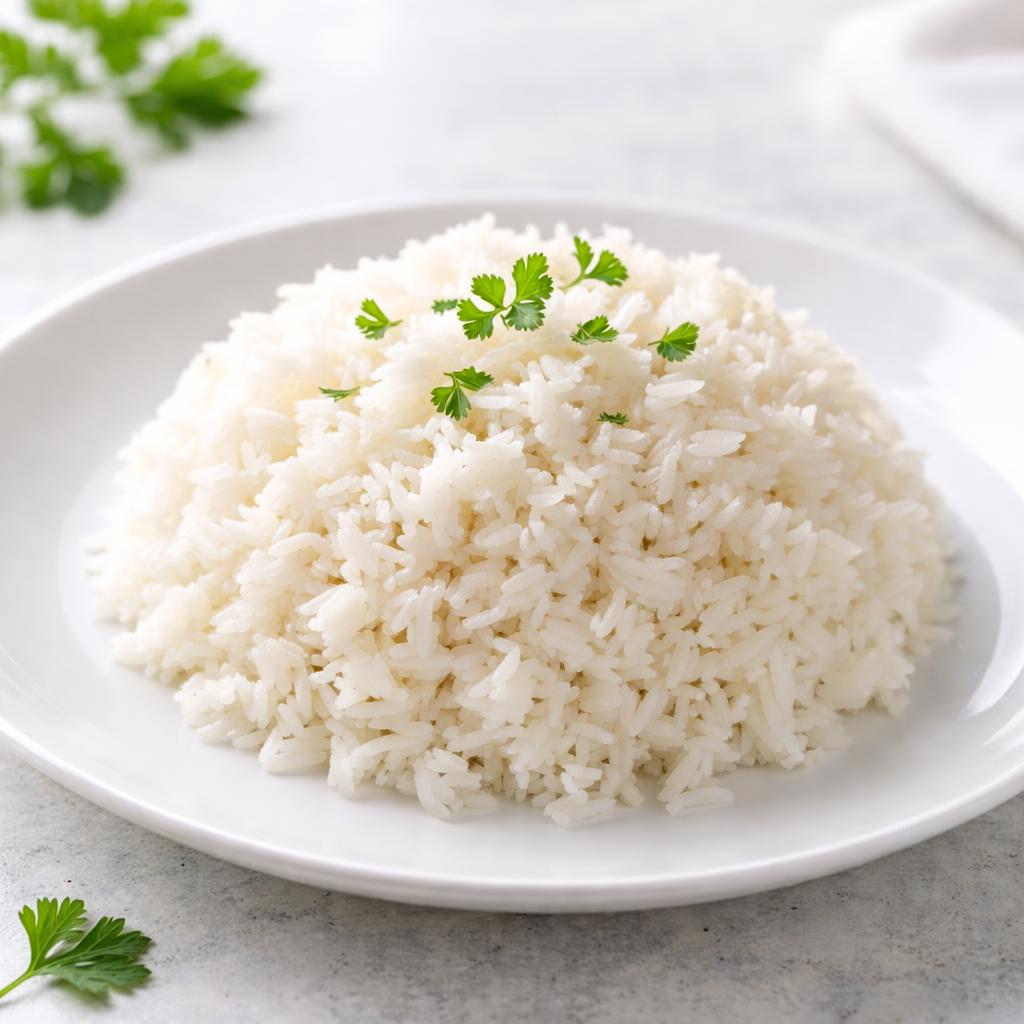
White Rice
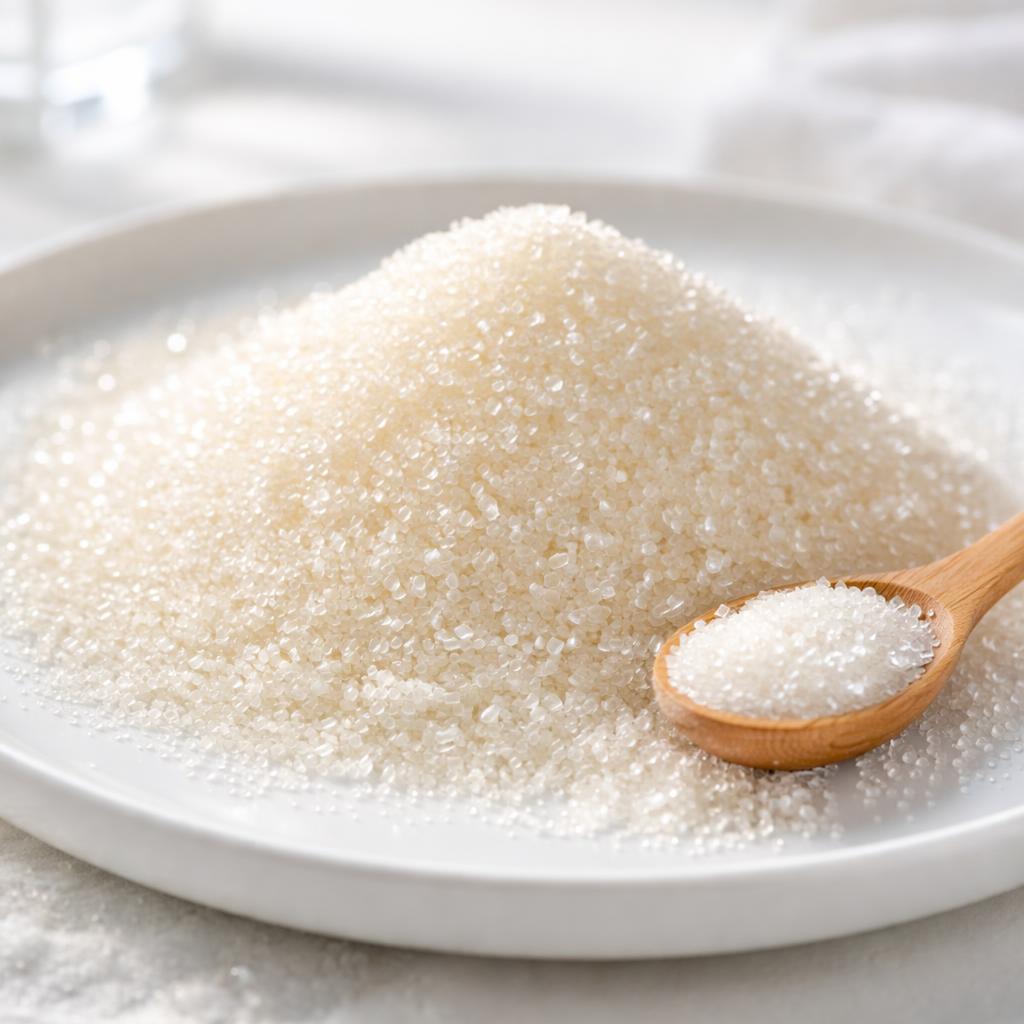
Granulated Sugar
🎯 Quick Verdict
White rice and granulated sugar are both carbohydrate-rich foods, but white rice provides more nutrients, including small amounts of protein, fiber, and minerals, whereas sugar offers none. White rice is a better option for sustained energy and satiety, while sugar is primarily an empty calorie source suitable for occasional sweetening purposes.

Smart Nutrition Tracking with SnapCalorie

📊 Nutritional Comparison
Macronutrients
| Nutrient | Food 1 | Food 2 | Winner |
|---|---|---|---|
| Calories | 130 | 130 | − |
| Protein | 2.7g | 0g | ✓ |
| Carbs | 28.2g | 33g | ✓ |
| Fat | 0.3g | 0g | ✓ |
| Fiber | 0.4g | 0g | ✓ |
Vitamins & Minerals
| Nutrient | Food 1 | Food 2 | Winner |
|---|---|---|---|
| Vitamin D | 0mcg | 0mcg | − |
| Calcium | 10mg | 1mg | ✓ |
| Iron | 0.2mg | 0mg | ✓ |
🏆 Category Winners
Protein
White rice provides 2.7g of protein while sugar has none.
Fiber
White rice contains 0.4g of fiber compared to sugar's 0g.
Calories
Both have 130 calories per 100g serving.
🥗 Diet Compatibility
Keto
Food 1: Not Compatible
Food 2: Potentially Compatible
White rice is high in carbohydrates while sugar can be limited in very small amounts on keto.
Vegan
Food 1: Compatible
Food 2: Compatible
Both are plant-based foods.
Gluten Free
Food 1: Compatible
Food 2: Compatible
Neither food contains gluten.
Paleo
Food 1: Not Compatible
Food 2: Not Compatible
White rice is a grain and sugar is a processed food, both excluded from paleo diets.
Low-Carb
Food 1: Not Compatible
Food 2: Not Compatible
Both are carbohydrate-rich foods.
💪 Health Benefits Comparison
Food 1 Benefits
- Provides small amounts of protein for muscle repair.
- Contains minor levels of fiber for digestion support.
- Can offer sustained energy for physical activities.
Food 2 Benefits
- Easily digestible quick energy source.
- Useful for sweetening without allergens.
- Provides palatability in various recipes.
✅ The Bottom Line
White rice is nutritionally superior to granulated sugar as it provides protein, fiber, and trace minerals, making it suitable as a staple energy source. Granulated sugar should be consumed sparingly, as it adds calories without essential nutrients.
Choose Food 1 for: Staple side dish, carbohydrate loading, quick meals
Choose Food 2 for: Sweetening recipes, baking, occasional treats


