White Rice VS Frosting
A detailed nutritional comparison
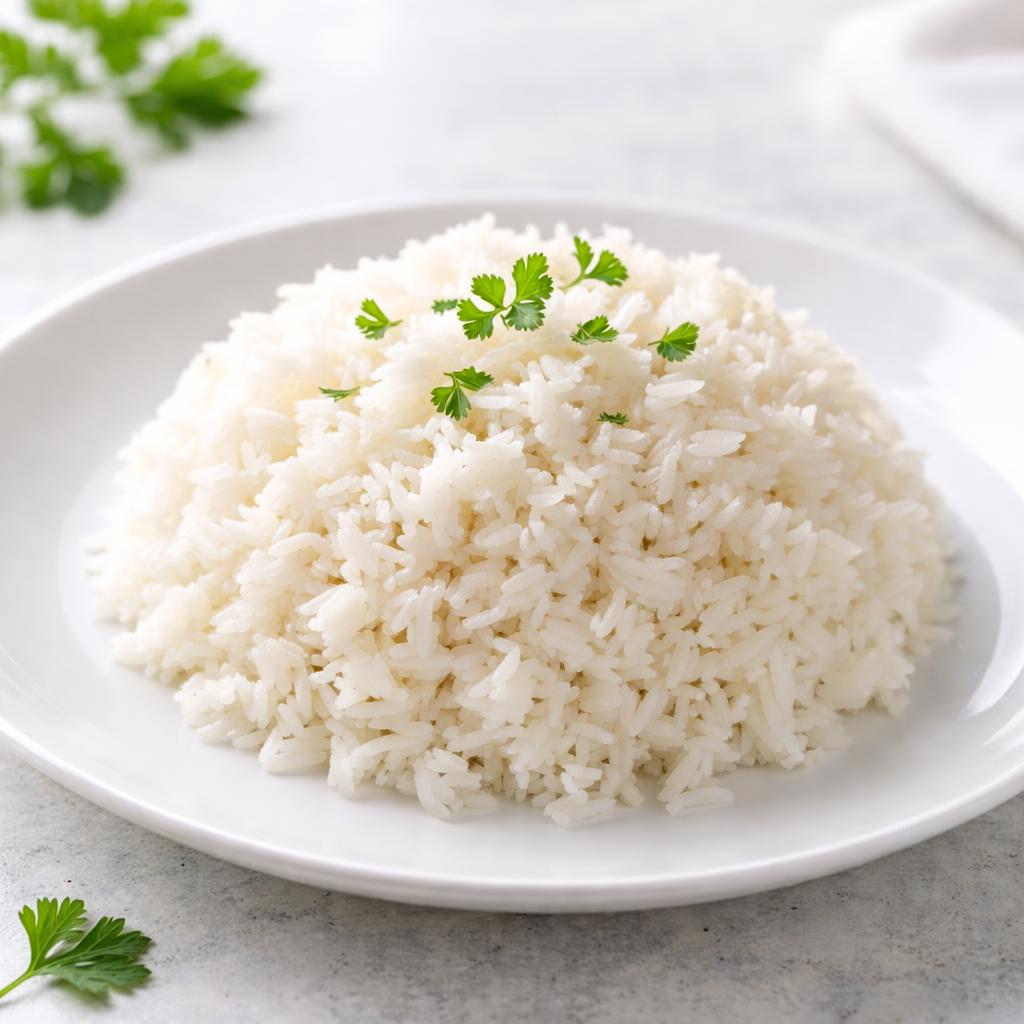
White Rice
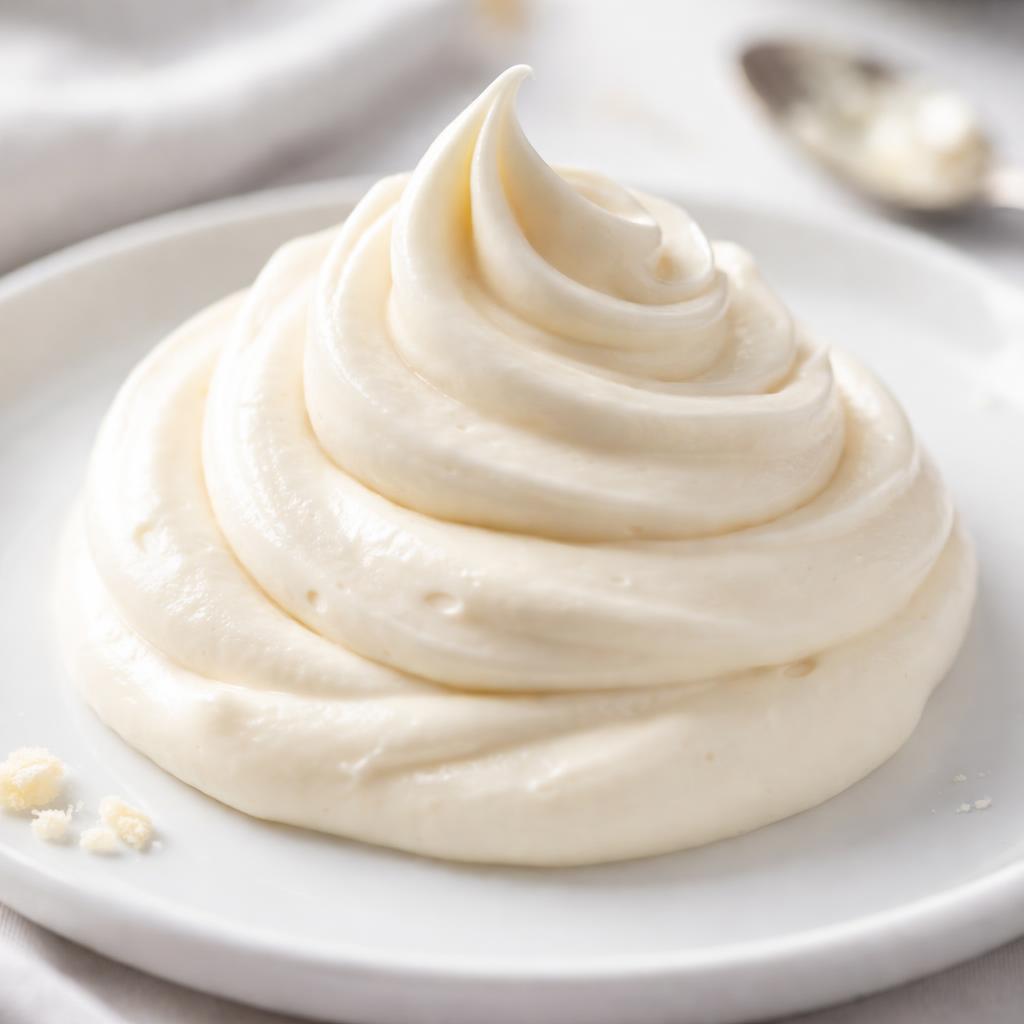
Frosting
🎯 Quick Verdict
White rice and frosting differ significantly in nutritional value and dietary roles. White rice is lower in calories, fat, and sugar while providing fiber and a small amount of protein, making it the better choice for a balanced meal. Frosting is extremely high in sugar and calories, making it more suitable as an occasional treat, but not a source of substantial nutrition.

Smart Nutrition Tracking with SnapCalorie

📊 Nutritional Comparison
Macronutrients
| Nutrient | Food 1 | Food 2 | Winner |
|---|---|---|---|
| Calories | 205 | 300 | ✓ |
| Protein | 4.3g | 0g | ✓ |
| Carbs | 45g | 50g | ✓ |
| Fat | 0.4g | 11g | ✓ |
| Fiber | 0.6g | 0g | ✓ |
Vitamins & Minerals
| Nutrient | Food 1 | Food 2 | Winner |
|---|---|---|---|
| Vitamin A | 0IU | 200IU | ✓ |
| Calcium | 15mg | 6mg | ✓ |
| Iron | 0.2mg | 0.1mg | ✓ |
🏆 Category Winners
Protein
White rice contains 4.3g of protein per cup, while frosting contains none.
Fiber
White rice has 0.6g of fiber, while frosting contains zero fiber.
Calories
White rice has 205 calories per cup, which is significantly fewer than the 300 calories in frosting.
Vitamins
Frosting provides Vitamin A (200IU per serving), whereas white rice contains none.
🥗 Diet Compatibility
Keto
Food 1: Not Compatible
Food 2: Not Compatible
Both are high in carbohydrates, making them unsuitable for a keto diet.
Vegan
Food 1: Compatible
Food 2: Compatible
Both foods are plant-based and suitable for a vegan diet.
Gluten Free
Food 1: Compatible
Food 2: Compatible
Neither food contains gluten.
Paleo
Food 1: Not Compatible
Food 2: Not Compatible
White rice and frosting are processed foods and not considered paleo-friendly.
Low Carb
Food 1: Not Compatible
Food 2: Not Compatible
Both foods are high in carbohydrates and unsuitable for low-carb diets.
💪 Health Benefits Comparison
Food 1 Benefits
- Provides quick, digestible energy
- Contains small amounts of protein for muscle support
- Free from added sugars, making it a more neutral carb
Food 2 Benefits
- Contains Vitamin A for eye health
- Can provide a quick source of readily available energy
- Enhances dessert flavor and texture
✅ The Bottom Line
White rice is a better choice nutritionally, being lower in calories, sugar, and fat while providing some protein and fiber. Frosting is extremely high in sugar and fat, making it more appropriate for occasional indulgence rather than a dietary staple.
Choose Food 1 for: Balanced meals, energy recharge, post-workout recovery
Choose Food 2 for: Dessert topping, occasional treat


