White Rice VS Fries
A detailed nutritional comparison
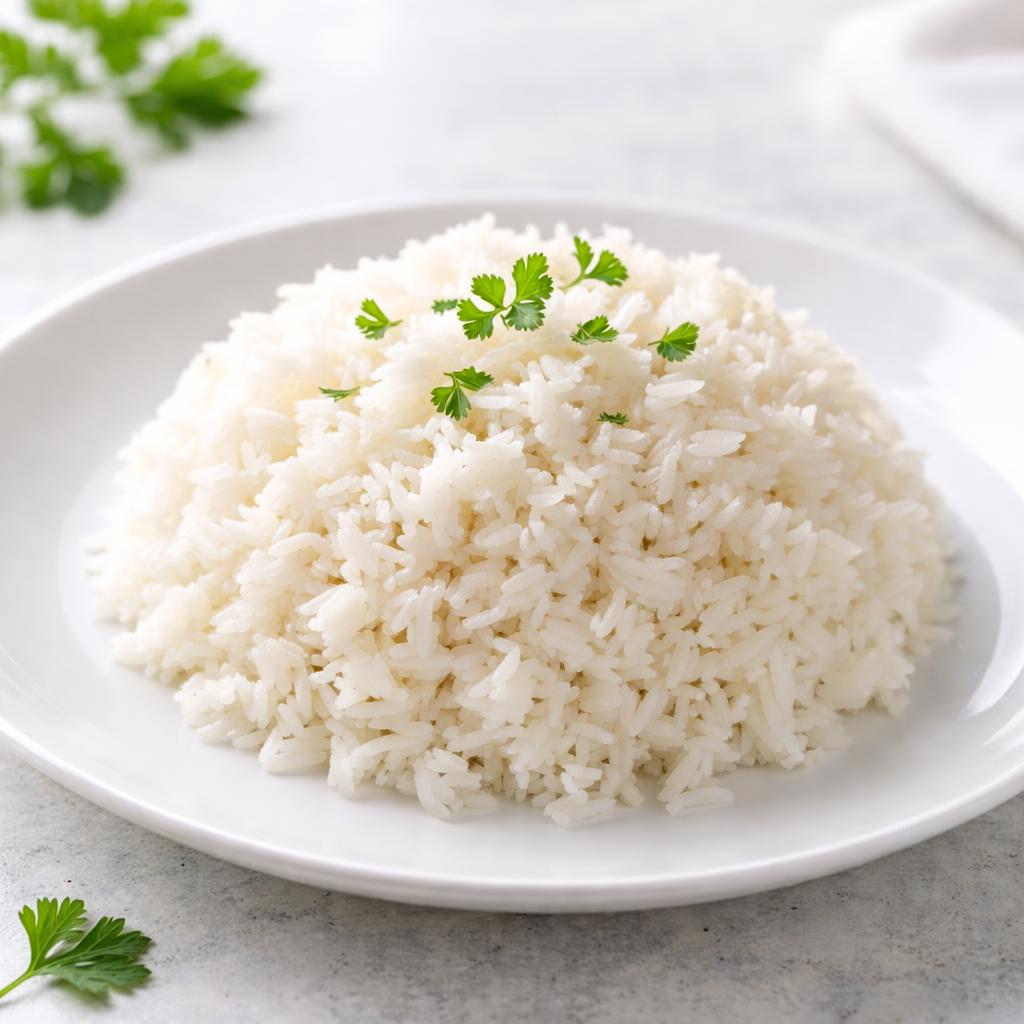
White Rice
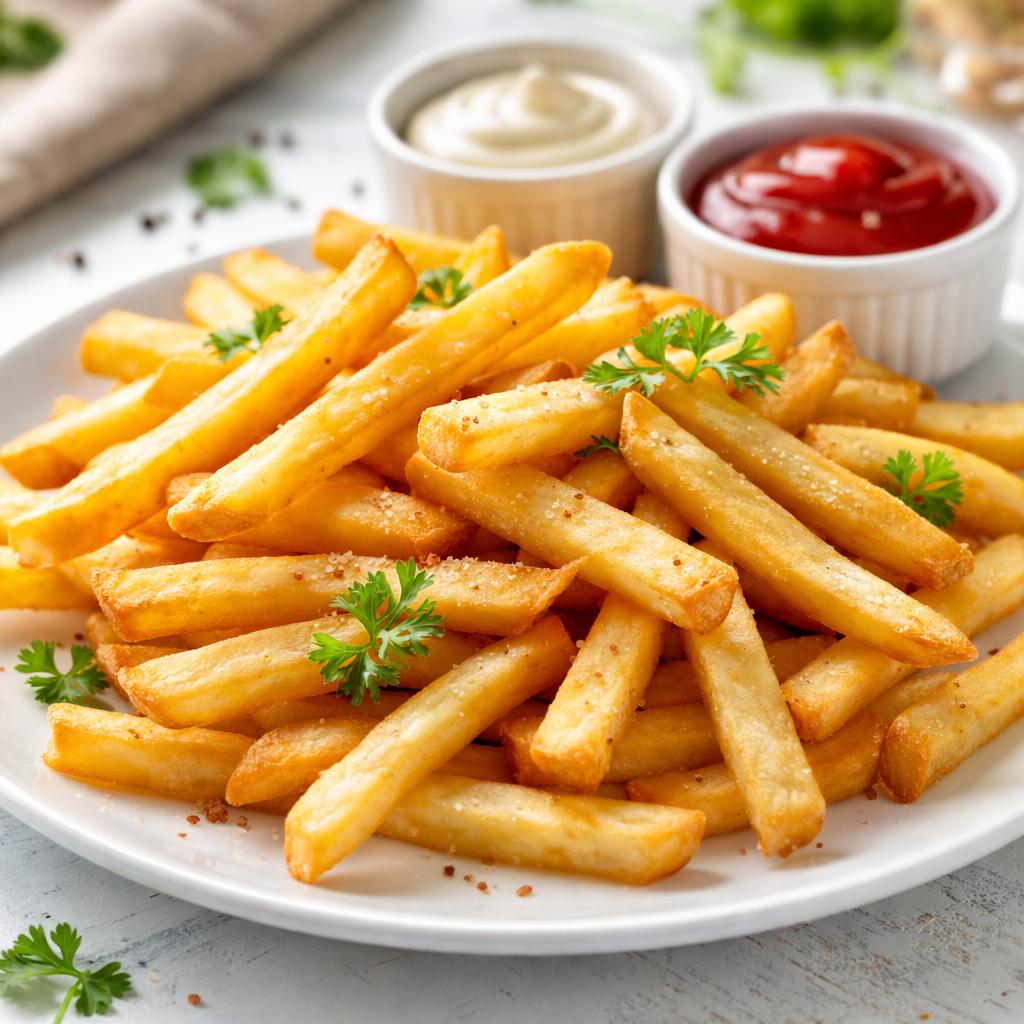
Fries
🎯 Quick Verdict
White rice is lower in calories and contains slightly more protein, making it a lighter option overall. Fries, on the other hand, are richer in fiber due to the potato and cooking method, but are higher in fat and calories. White rice is better for low-fat or low-calorie diets, while fries may suit occasions requiring more energy or fiber-rich snacks.

Smart Nutrition Tracking with SnapCalorie

📊 Nutritional Comparison
Macronutrients
| Nutrient | Food 1 | Food 2 | Winner |
|---|---|---|---|
| Calories | 130 | 312 | − |
| Protein | 2.5g | 2g | − |
| Carbs | 28g | 41g | − |
| Fat | 0.3g | 15g | − |
| Fiber | 0.4g | 3g | − |
Vitamins & Minerals
| Nutrient | Food 1 | Food 2 | Winner |
|---|---|---|---|
| Vitamin C | 0mg | 4.7mg | − |
| Vitamin B6 | 0.08mg | 0.25mg | − |
| Potassium | 35mg | 455mg | − |
| Magnesium | 12mg | 35mg | − |
🏆 Category Winners
Protein
White rice contains 0.5g more protein than fries.
Fiber
Fries are 650% higher in dietary fiber.
Calories
White rice has 58% fewer calories than fries.
Vitamins
Fries contain significantly higher levels of Vitamin C, B6, Potassium, and Magnesium.
🥗 Diet Compatibility
Keto
Food 1: Unknown
Food 2: Unknown
Both foods are high in carbs, unsuitable for ketogenic diets.
Vegan
Food 1: Unknown
Food 2: Unknown
Both foods are plant-based and vegan.
Gluten Free
Food 1: Unknown
Food 2: Unknown
White rice is gluten-free, while fries may depend on preparation and breading.
Paleo
Food 1: Unknown
Food 2: Unknown
Neither aligns strictly with paleo diet rules due to processing.
Low Carb
Food 1: Unknown
Food 2: Unknown
Both are carb-heavy and unsuitable for low-carb diets.
💪 Health Benefits Comparison
Food 1 Benefits
Food 2 Benefits
✅ The Bottom Line
White rice is best for lighter meals, low-fat diets, or quick energy without added fats. Fries excel at providing fiber and essential nutrients but are higher in calories and fat, making them better suited for energy-dense meals or occasional indulgence.


