White Rice VS Fresh Herbs
A detailed nutritional comparison
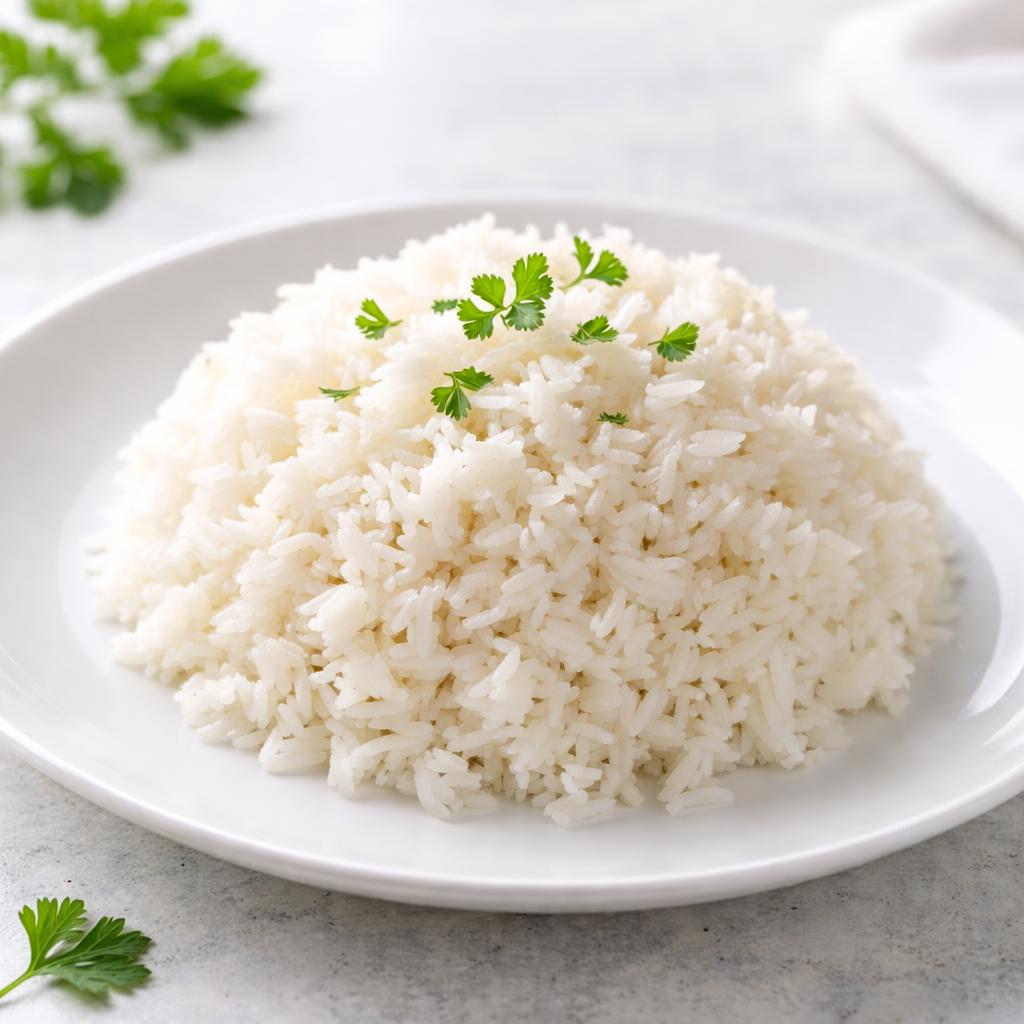
White Rice
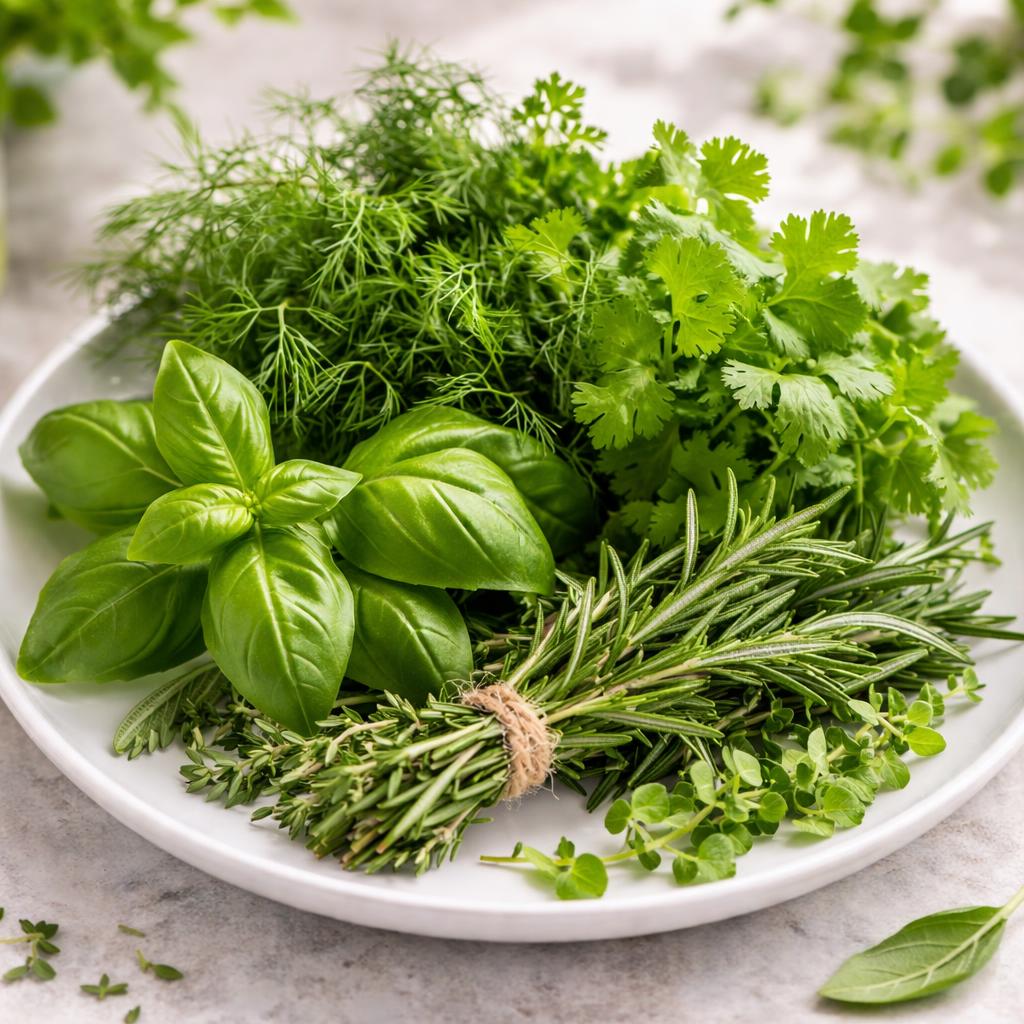
Fresh Herbs
🎯 Quick Verdict
White rice and fresh herbs differ significantly in nutritional profiles. White rice is a calorie-dense carbohydrate source that provides quick energy, while fresh herbs are exceptionally low-calorie, nutrient-packed, and rich in vitamins, fiber, and antioxidants. Opt for white rice when you need an energy boost, while fresh herbs are ideal for flavor enhancement and added micronutrients in meals.

Smart Nutrition Tracking with SnapCalorie

📊 Nutritional Comparison
Macronutrients
| Nutrient | Food 1 | Food 2 | Winner |
|---|---|---|---|
| Calories | 206 (per 1 cup cooked) | 25 (per 1 cup chopped) | ✓ |
| Protein | 4.3g | 2g | ✓ |
| Carbs | 45g | 6g | ✓ |
| Fat | 0.4g | 0.5g | ✓ |
| Fiber | 0.6g | 2g | ✓ |
Vitamins & Minerals
| Nutrient | Food 1 | Food 2 | Winner |
|---|---|---|---|
| Vitamin C | 0mg | 40mg | ✓ |
| Vitamin K | 0mcg | 300mcg | ✓ |
| Iron | 0.3mg | 1.5mg | ✓ |
🏆 Category Winners
Protein
Fresh herbs provide approximately 46% as much protein as white rice but are more nutrient-dense.
Fiber
Fresh herbs provide over 3x more fiber compared to white rice.
Calories
Fresh herbs have significantly fewer calories than white rice (nearly 90% lower).
🥗 Diet Compatibility
Keto
Food 1: Not Compatible
Food 2: Compatible
White rice is high-carb, while fresh herbs are low-carb.
Vegan
Food 1: Compatible
Food 2: Compatible
Both are plant-based foods suitable for vegans.
Gluten Free
Food 1: Compatible
Food 2: Compatible
Neither food contains gluten.
Paleo
Food 1: Compatible
Food 2: Compatible
Both foods are unprocessed and fit paleo guidelines.
Low Carb
Food 1: Not Compatible
Food 2: Compatible
White rice is high in carbohydrates, whereas fresh herbs are low.
💪 Health Benefits Comparison
Food 1 Benefits
- Provides quick energy due to high carbohydrate content
- Easy to digest and gentle on the stomach
- Can be paired with high-protein foods for balanced meals
Food 2 Benefits
- High in antioxidants for cell protection
- Excellent source of vitamin C and K for immunity and bone health
- Provides dietary fiber for better digestion
✅ The Bottom Line
White rice is ideal for individuals needing an immediate energy source or a neutral base for meals, while fresh herbs are better suited for those focusing on adding vitamins, antioxidants, and fiber without increasing calorie intake. Both can complement each other in a balanced diet.
Choose Food 1 for: Energy boost, easily digestible carb source, meal prep for endurance athletes
Choose Food 2 for: Low-calorie diets, flavor enhancement, increased nutrient intake


