White Rice VS Fiber
A detailed nutritional comparison
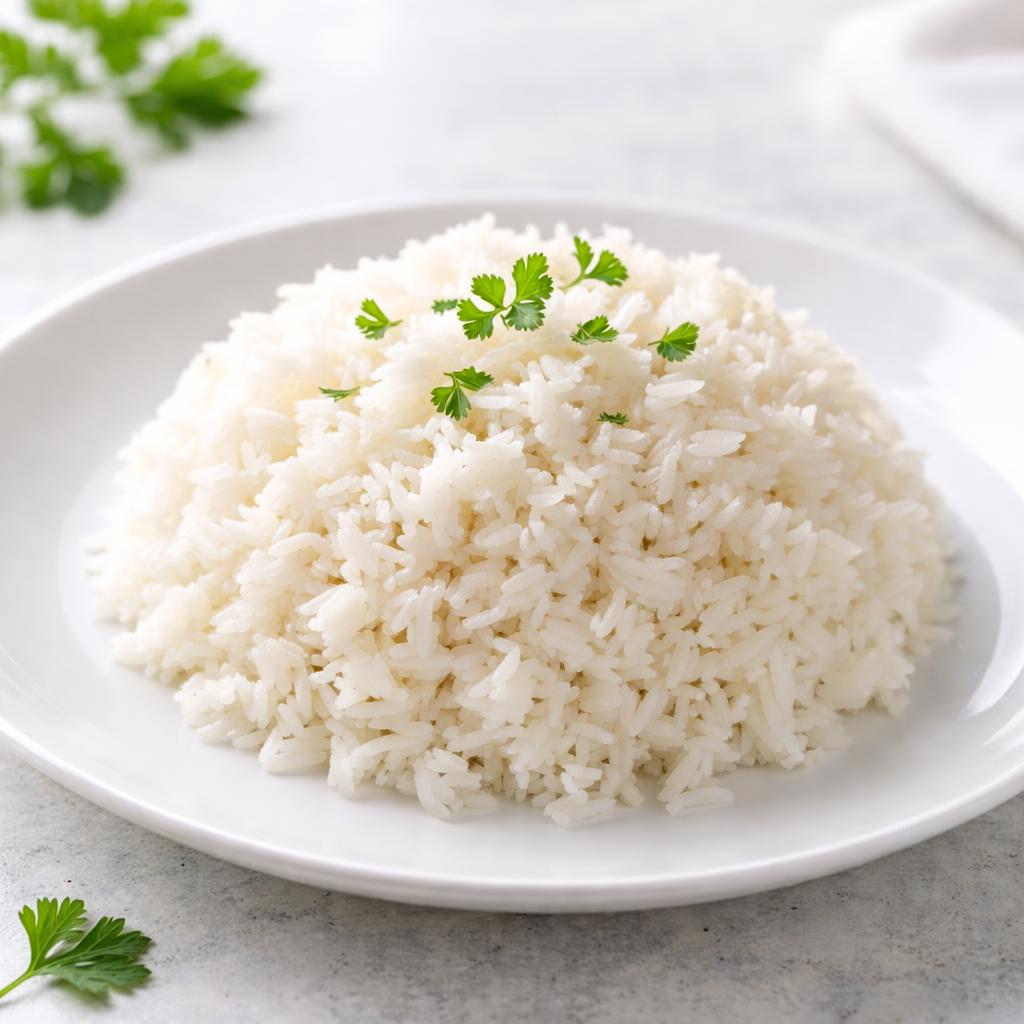
White Rice
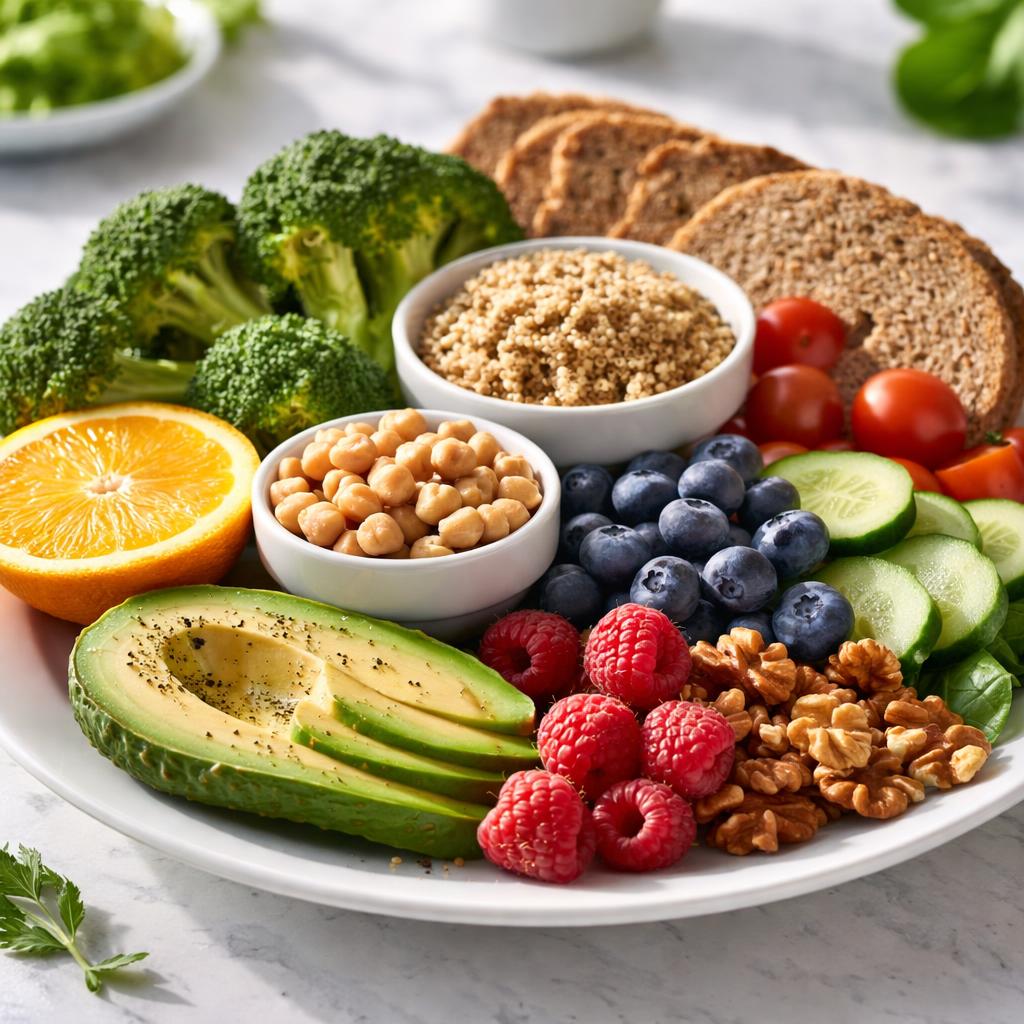
Fiber
🎯 Quick Verdict
White rice and fiber have vastly different nutritional profiles. White rice is calorie-dense, higher in carbs, and offers quick energy, while fiber is low in calories and essential for digestive health. Choose white rice for energy in active lifestyles, and fiber for improved gut health and weight management.

Smart Nutrition Tracking with SnapCalorie

📊 Nutritional Comparison
Macronutrients
| Nutrient | Food 1 | Food 2 | Winner |
|---|---|---|---|
| Calories | 205 (per cup cooked) | 0 (per gram) | ✓ |
| Protein | 4.3g (per cup cooked) | 0g (per gram) | − |
| Carbs | 44g (per cup cooked) | 0g (per gram) | ✓ |
| Fat | 0.4g (per cup cooked) | 0g (per gram) | ✓ |
| Fiber | 0.6g (per cup cooked) | 1g (per gram) | ✓ |
Vitamins & Minerals
| Nutrient | Food 1 | Food 2 | Winner |
|---|---|---|---|
| Vitamin D | 0mcg | 0mcg | − |
| Calcium | 10mg (per cup cooked) | 5mg (per gram) | ✓ |
| Iron | 0.2mg (per cup cooked) | 0.1mg (per gram) | ✓ |
🏆 Category Winners
Protein
Both provide negligible protein.
Fiber
Fiber is rich in dietary fiber, as its name suggests; white rice has very little.
Calories
Fiber has no calories, while white rice is calorie-dense.
🥗 Diet Compatibility
Keto
Food 1: Not Compatible
Food 2: Compatible
White rice is high in carbs, while fiber is low-carb.
Vegan
Food 1: Compatible
Food 2: Compatible
Both foods are plant-based.
Gluten Free
Food 1: Compatible
Food 2: Compatible
Neither contains gluten.
Paleo
Food 1: Not Compatible
Food 2: Compatible
White rice is not allowed on a strict paleo diet; fiber supplements generally are.
Low Carb
Food 1: Not Compatible
Food 2: Compatible
White rice is high in carbs; fiber has zero net carbs.
💪 Health Benefits Comparison
Food 1 Benefits
- Quick source of energy from carbohydrates
- Low in fat, suitable for low-fat diets
- Easy to digest, ideal for sensitive digestive systems
Food 2 Benefits
- Promotes improved gut health and bowel regularity
- Supports heart health by reducing cholesterol levels
- Aids in maintaining a healthy weight through satiety
✅ The Bottom Line
Fiber is the clear winner nutritionally, particularly for digestive health and weight management, while white rice is better for quick energy during active lifestyles. Use white rice sparingly if you are looking to manage carbs and calories, while fiber is a versatile addition to nearly any diet.
Choose Food 1 for: Athletes needing quick energy, easy-to-digest meals, carbohydrate loading
Choose Food 2 for: Weight management, improving gut health, lowering cholesterol


