White Rice VS Espresso Shot
A detailed nutritional comparison
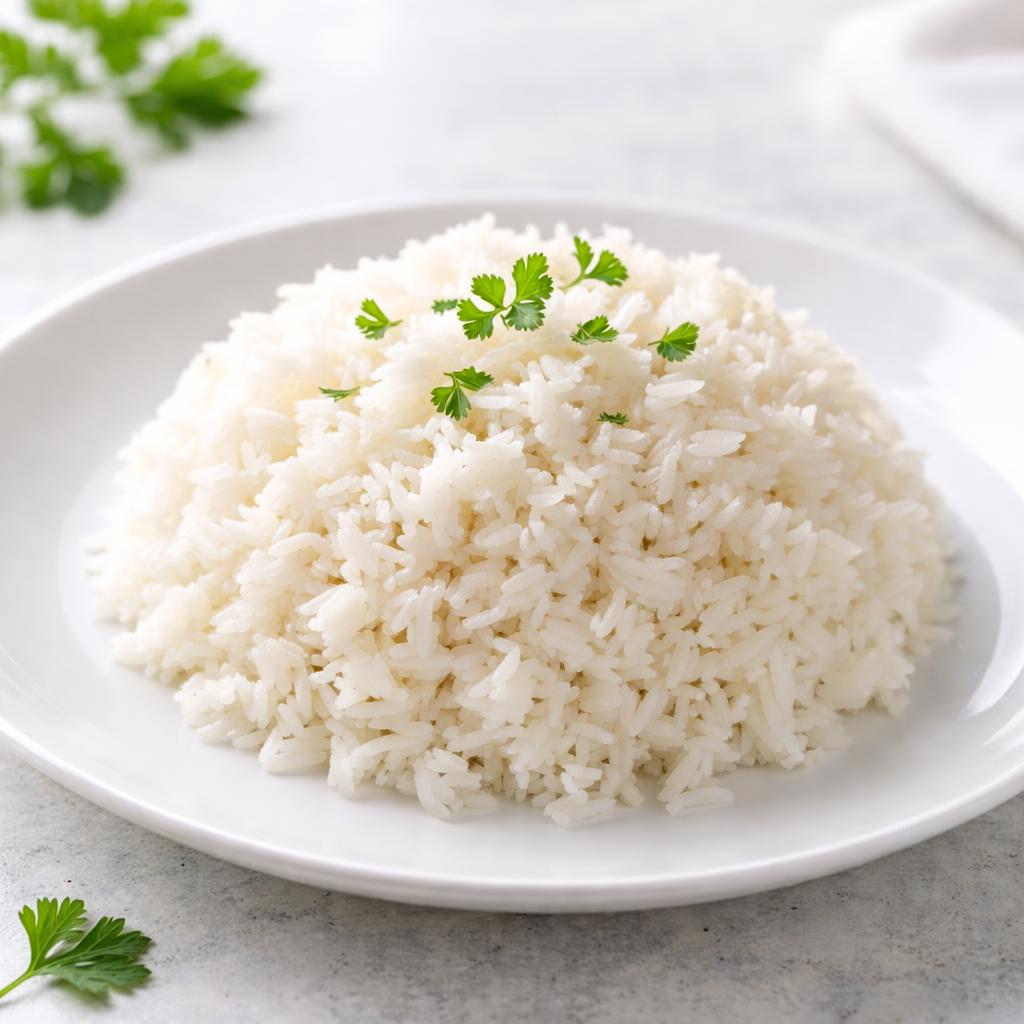
White Rice
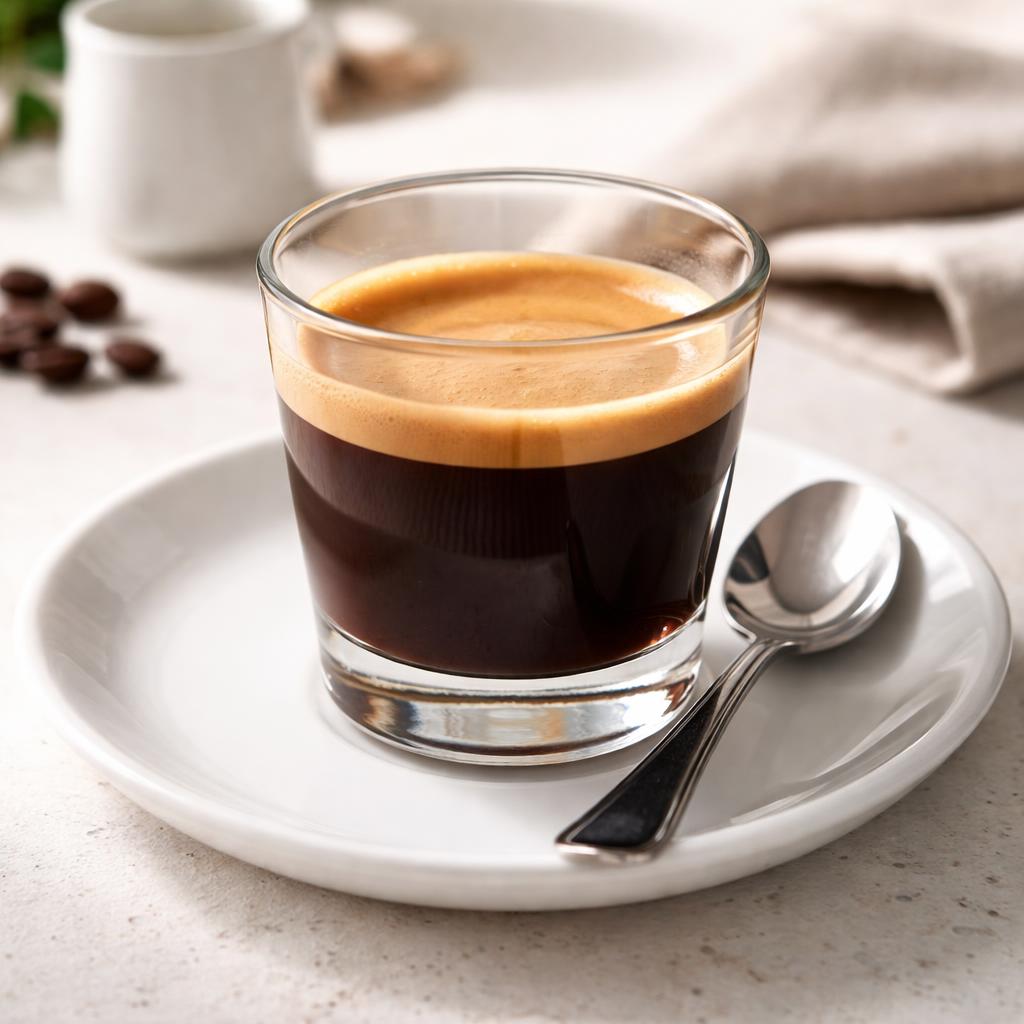
Espresso Shot
🎯 Quick Verdict
White rice and espresso shots serve fundamentally different dietary purposes. White rice is carbohydrate-dense, providing energy and a small amount of fiber, while espresso offers caffeine with minimal calories and no macros. Choose white rice as a primary energy source and espresso for a caffeine boost with negligible nutrition impact.

Smart Nutrition Tracking with SnapCalorie

📊 Nutritional Comparison
Macronutrients
| Nutrient | Food 1 | Food 2 | Winner |
|---|---|---|---|
| Calories | 206 (per 1 cup cooked) | 3 (per 1oz shot) | ✓ |
| Protein | 4.3g | 0.1g | ✓ |
| Carbs | 45g | 0.2g | ✓ |
| Fat | 0.4g | 0g | ✓ |
| Fiber | 0.6g | 0g | ✓ |
Vitamins & Minerals
| Nutrient | Food 1 | Food 2 | Winner |
|---|---|---|---|
| B Vitamins (B1, B2) | 0.2mg (B1) | 0.2mg (B2) | − |
| Iron | 0.28mg | 0.01mg | ✓ |
| Magnesium | 12mg | 3mg | ✓ |
🏆 Category Winners
Protein
White rice contains significantly more protein per serving than espresso.
Fiber
White rice provides 0.6g of fiber, while espresso has none.
Calories
Espresso is incredibly low in calories, with only 3 per serving.
Vitamins
Espresso offers B2, while white rice contributes B1 and other trace minerals.
🥗 Diet Compatibility
Keto
Food 1: Not Compatible
Food 2: Compatible
White rice is high-carb, while espresso is virtually carb-free.
Vegan
Food 1: Compatible
Food 2: Compatible
Both foods are plant-based.
Gluten Free
Food 1: Compatible
Food 2: Compatible
Neither contains gluten.
Paleo
Food 1: Not Compatible
Food 2: Compatible
White rice is not paleo-friendly, but espresso is a natural product.
Low-Carb
Food 1: Not Compatible
Food 2: Compatible
White rice contains 45g of carbs, while espresso has negligible carbs.
💪 Health Benefits Comparison
Food 1 Benefits
- Provides quick-release energy due to high carb content.
- Low in fat, suitable for high-energy diets.
- Contains small amounts of essential minerals like magnesium.
Food 2 Benefits
- Acts as a stimulant, improving focus with caffeine.
- Virtually calorie-free, supports weight control.
- May provide antioxidants, beneficial for long-term health.
✅ The Bottom Line
White rice and espresso serve very different needs. Choose white rice for carbohydrate energy in meals or as a simple grain side dish. Opt for espresso for a quick caffeine boost without affecting macro balance. Neither food is nutritionally dense, but both have specific situational benefits.
Choose Food 1 for: Energy replenishment, meal pairing, post-workout carb loading
Choose Food 2 for: Caffeine boost, calorie-free energy, weight management


