White Rice VS Egg Muffins
A detailed nutritional comparison
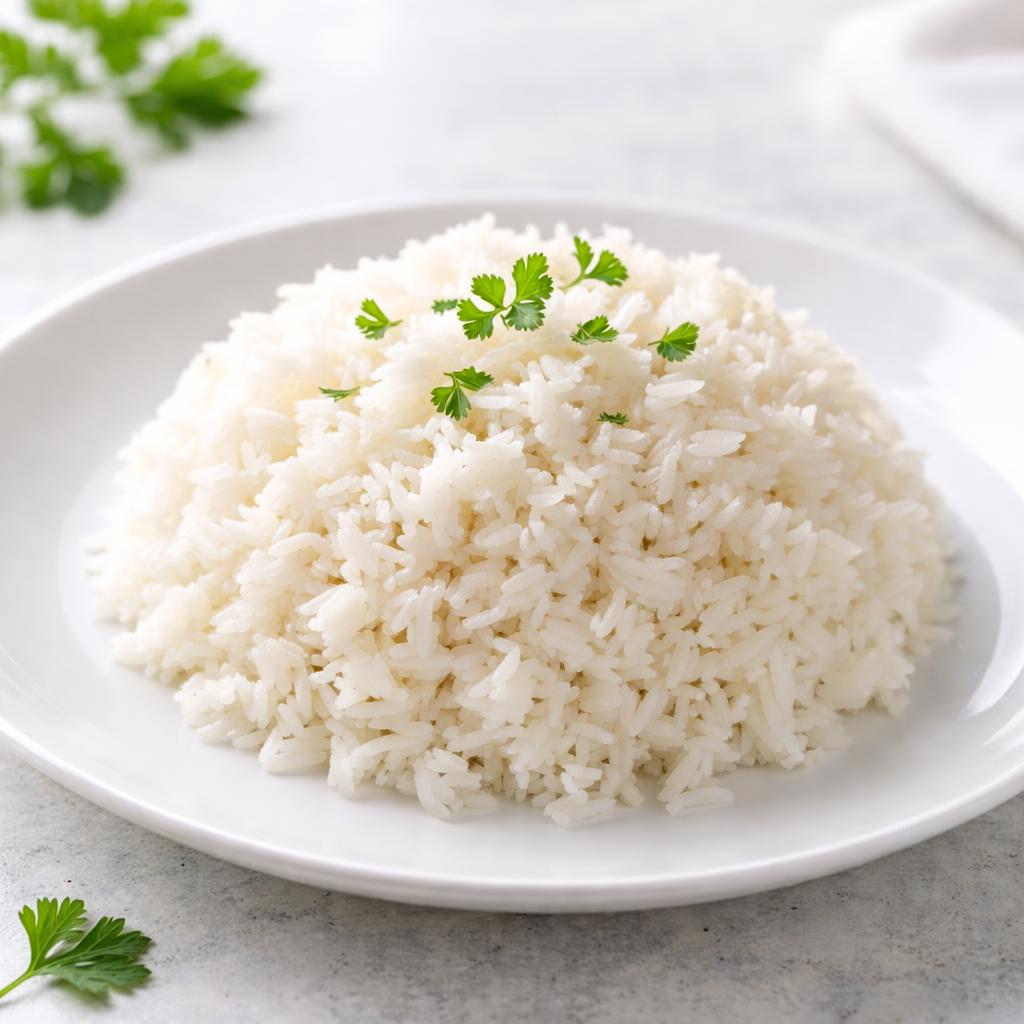
White Rice
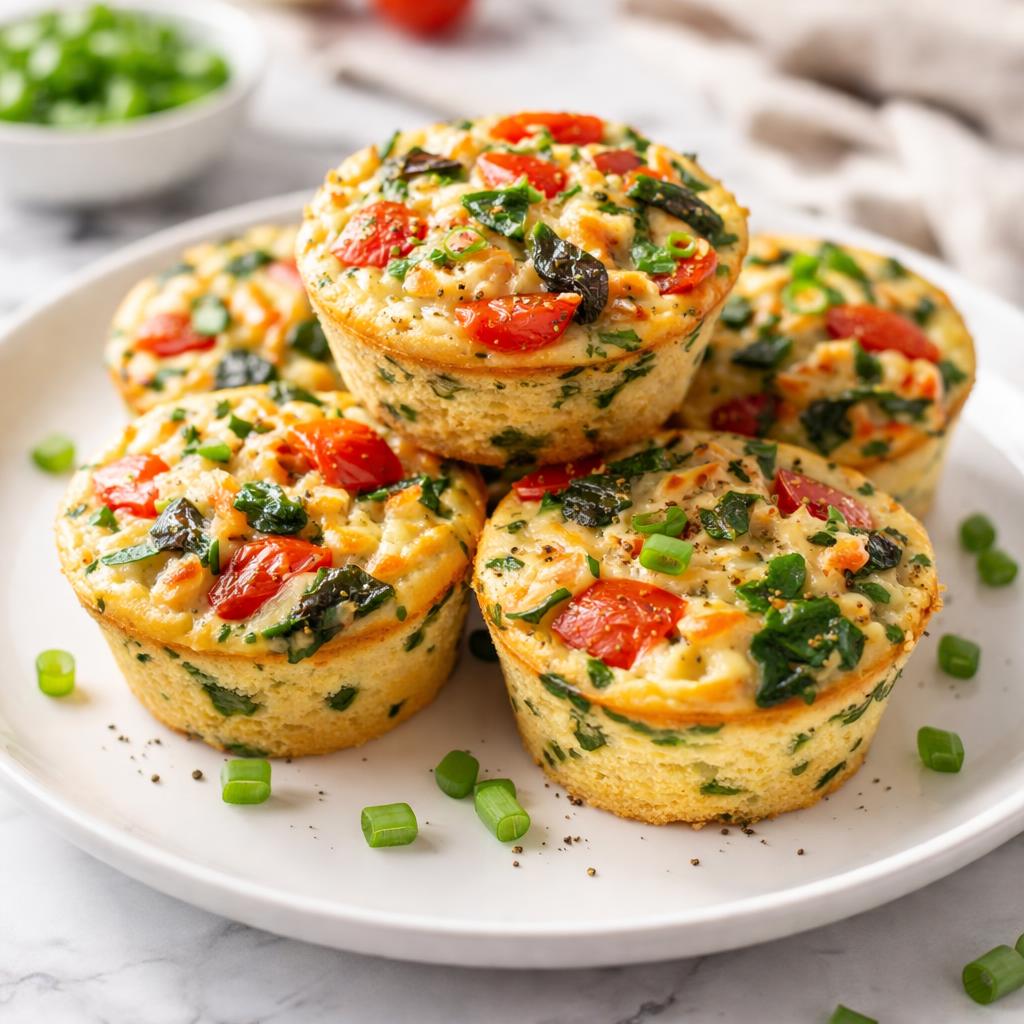
Egg Muffins
🎯 Quick Verdict
Egg muffins are a more nutrient-dense option compared to white rice, offering higher protein, more fiber, and a variety of vitamins and minerals. White rice, while lower in fat, is primarily a carbohydrate source and best suited for energy-dense meals or as a base for other dishes.

Smart Nutrition Tracking with SnapCalorie

📊 Nutritional Comparison
Macronutrients
| Nutrient | Food 1 | Food 2 | Winner |
|---|---|---|---|
| Calories | 150 | 150 | − |
| Protein | 3g | 10g | ✓ |
| Carbs | 35g | 2g | ✓ |
| Fat | 0.5g | 8g | ✓ |
| Fiber | 0g | 2g | ✓ |
Vitamins & Minerals
| Nutrient | Food 1 | Food 2 | Winner |
|---|---|---|---|
| Vitamin D | 0mcg | 2mcg | ✓ |
| Calcium | 10mg | 75mg | ✓ |
| Iron | 0.2mg | 1mg | ✓ |
🏆 Category Winners
Protein
Egg muffins contain over 3x more protein per serving compared to white rice.
Fiber
Egg muffins provide 2g of fiber whereas white rice contains none.
Calories
Both foods offer approximately 150 calories per serving.
Vitamins
Egg muffins are richer in vitamin D, calcium, and iron compared to white rice.
🥗 Diet Compatibility
Keto
Food 1: Not Compatible
Food 2: Compatible
Egg muffins are low-carb (2g per serving) while white rice is high-carb (35g per serving).
Vegan
Food 1: Compatible
Food 2: Not Compatible
White rice is plant-based, whereas egg muffins contain eggs and are not vegan-friendly.
Gluten Free
Food 1: Compatible
Food 2: Compatible
Neither food contains gluten.
Paleo
Food 1: Not Compatible
Food 2: Compatible
Egg muffins fit paleo guidelines; white rice is excluded in paleo diets.
Low Carb
Food 1: Not Compatible
Food 2: Compatible
Egg muffins are low-carb (2g of carbs per serving), whereas white rice is high-carb (35g per serving).
💪 Health Benefits Comparison
Food 1 Benefits
- Good source of quick, easily digestible energy
- Low in fat, suitable for low-fat diets
- Versatile grain that pairs well with many dishes
Food 2 Benefits
- High protein for muscle repair and maintenance
- Provides vitamin D for bone health
- Rich in healthy fats to support cellular functions
- Contains iron, aiding in oxygen transport in the body
✅ The Bottom Line
Egg muffins are a better choice for those looking for high protein, low carb, and a broader range of vitamins, while white rice is excellent for energy-dense meals or as a versatile base ingredient. Choose egg muffins for diets focused on protein and nutrient density, and white rice for carbohydrates and easy digestibility.
Choose Food 1 for: Energy-packed meals, plant-based diets, athletes needing quick carbs
Choose Food 2 for: Weight loss, high-protein diets, keto or paleo diets


