White Rice VS Eel
A detailed nutritional comparison
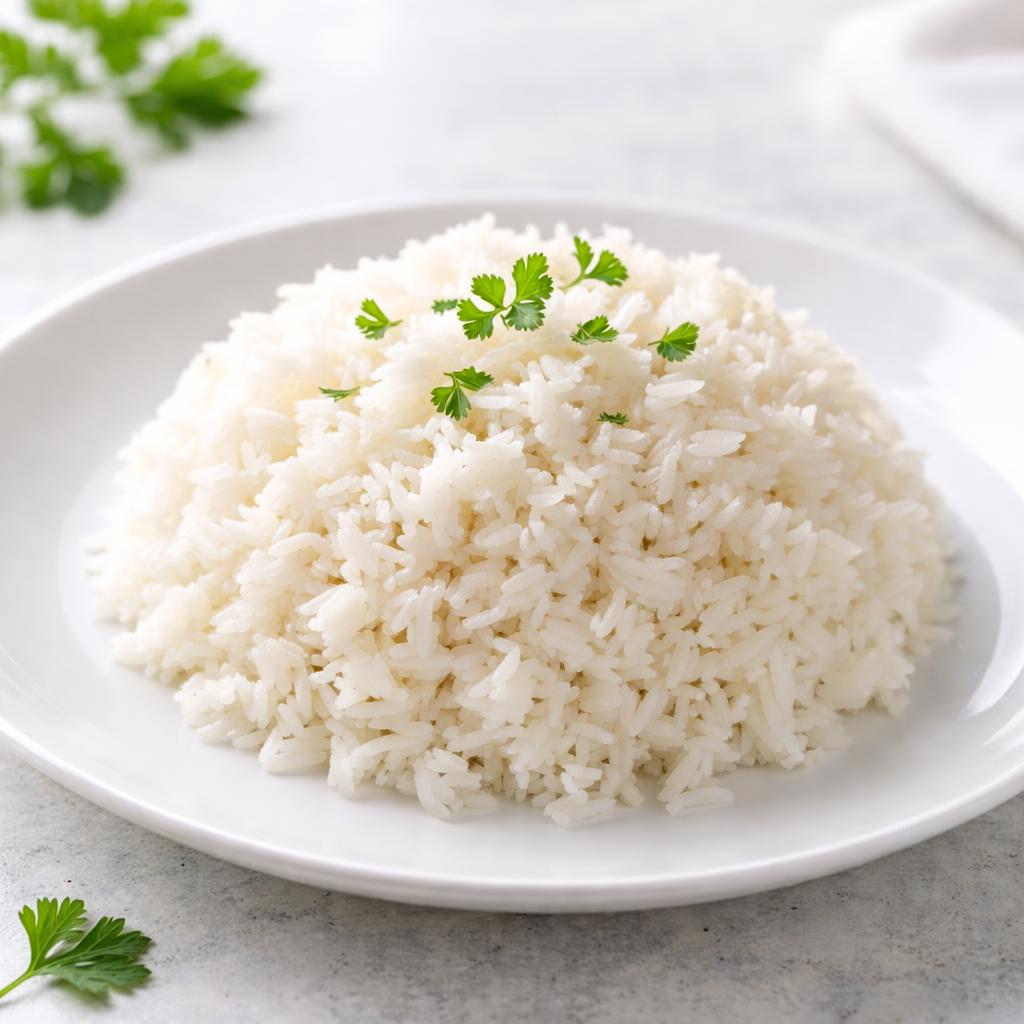
White Rice
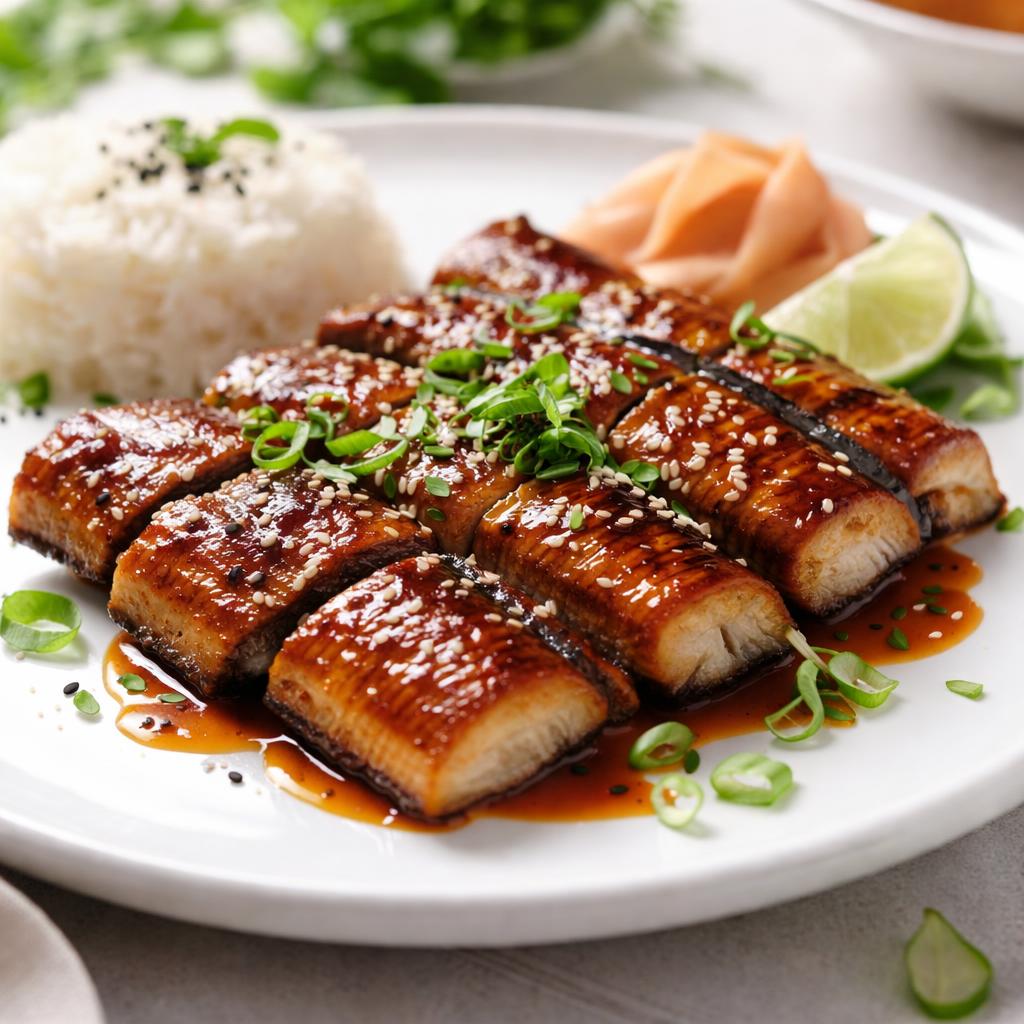
Eel
🎯 Quick Verdict
White rice and eel offer distinctly different nutritional profiles. White rice is higher in carbohydrates and fiber but lower in protein and overall nutrients, making it a staple for energy. Eel is nutrient-dense with significantly more protein, healthy fats, and essential vitamins like vitamin A and B12, suited for those seeking nutrient-rich protein options.

Smart Nutrition Tracking with SnapCalorie

📊 Nutritional Comparison
Macronutrients
| Nutrient | Food 1 | Food 2 | Winner |
|---|---|---|---|
| Calories | 130 per 100g | 184 per 100g | ✓ |
| Protein | 2.7g per 100g | 18.4g per 100g | ✓ |
| Carbs | 28.2g per 100g | 0g per 100g | ✓ |
| Fat | 0.3g per 100g | 11.3g per 100g | ✓ |
| Fiber | 0.4g per 100g | 0g per 100g | ✓ |
Vitamins & Minerals
| Nutrient | Food 1 | Food 2 | Winner |
|---|---|---|---|
| Vitamin A | 0mcg | 900mcg (100% DV) | ✓ |
| Vitamin B12 | 0mcg | 4.6mcg (192% DV) | ✓ |
| Vitamin D | 0mcg | 23.3mcg (466% DV) | ✓ |
🏆 Category Winners
Protein
Eel provides 18.4g of protein per 100g, far surpassing white rice's 2.7g.
Fiber
White rice contains 0.4g of fiber, while eel has none.
Calories
White rice has 130 calories per 100g, compared to eel's 184 calories.
Vitamins
Eel is rich in vitamin A, B12, and D, with significantly higher amounts than white rice.
🥗 Diet Compatibility
Keto
Food 1: Not Compatible
Food 2: Compatible
Eel is low in carbs, while white rice is high-carb.
Vegan
Food 1: Compatible
Food 2: Not Compatible
White rice is plant-based, while eel is an animal product.
Gluten Free
Food 1: Compatible
Food 2: Compatible
Neither food contains gluten.
Paleo
Food 1: Not Compatible
Food 2: Compatible
Eel aligns with paleo principles; white rice does not.
Low Carb
Food 1: Not Compatible
Food 2: Compatible
White rice is high in carbs; eel contains no carbs.
💪 Health Benefits Comparison
Food 1 Benefits
- Good source of quick energy due to high carbohydrate content
- Low in fat, suitable for low-fat diets
- Easy to digest and gentle on the stomach
Food 2 Benefits
- Excellent source of complete protein for muscle repair and growth
- Rich in vitamin D for bone health and immunity
- Contains omega-3 fatty acids for heart and brain health
- Provides vitamin B12 for nerve function and red blood cell production
✅ The Bottom Line
Choose white rice for quick energy and easy digestion, ideal as a versatile carbohydrate in meals. Opt for eel if you want a nutrient-dense, high-protein food rich in vitamins and healthy fats for muscle repair, immunity, and overall health.
Choose Food 1 for: Energy boost, light and digestible meals, pairing with main dishes
Choose Food 2 for: Protein-packed diets, boosting vitamin intake, heart and brain health


