White Rice VS Dried Fruit
A detailed nutritional comparison
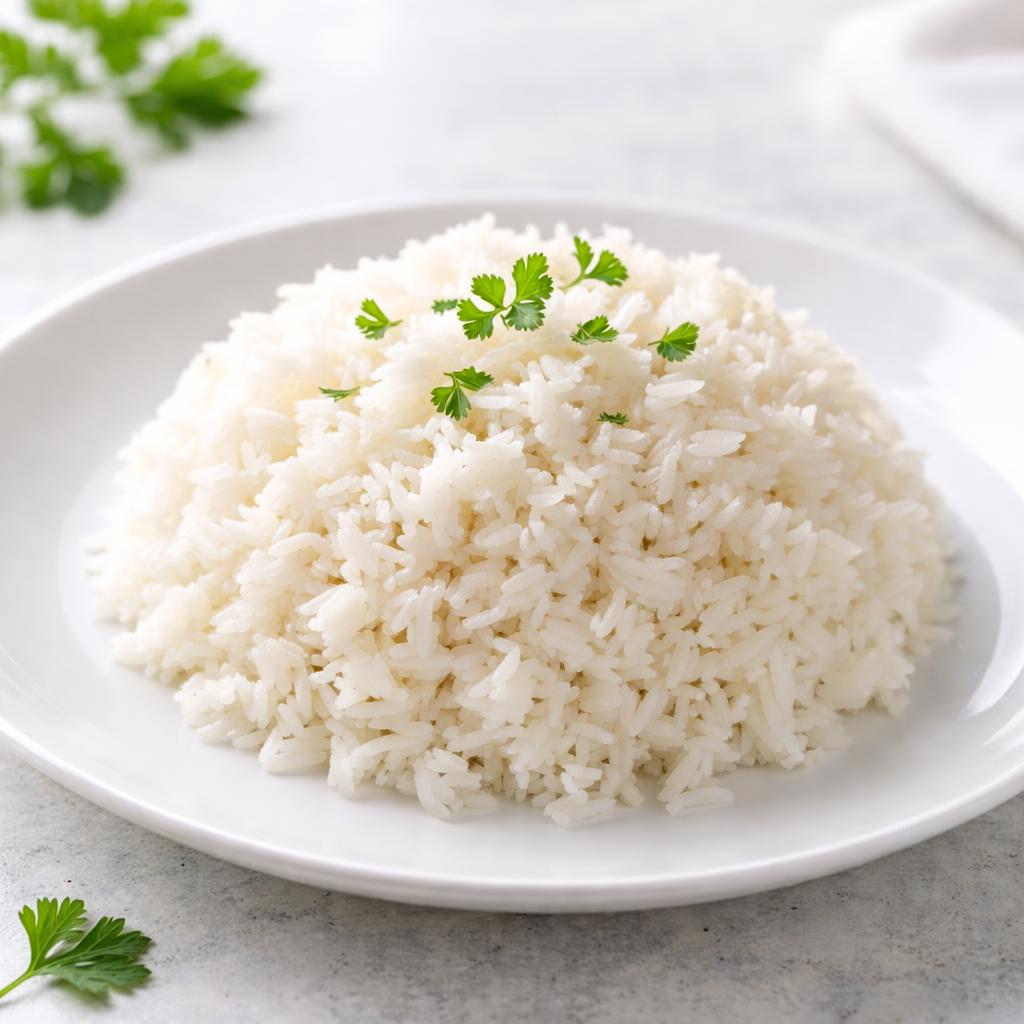
White Rice
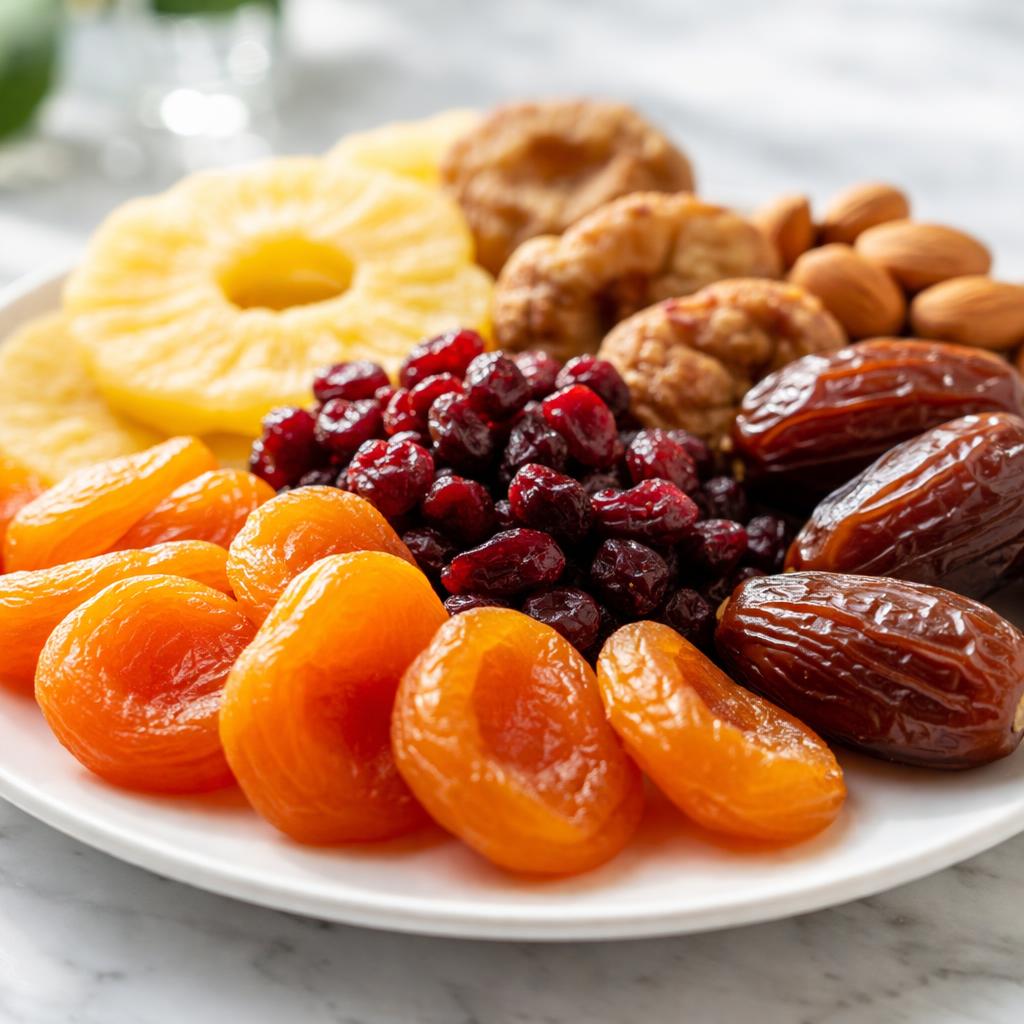
Dried Fruit
🎯 Quick Verdict
White rice and dried fruit serve different dietary roles. White rice is lower in calories, higher in protein, and ideal as a base for meals. Dried fruit is packed with fiber, natural sugars, and micronutrients, making it a quick energy source for snacks but higher in calories and sugar compared to white rice.

Smart Nutrition Tracking with SnapCalorie

📊 Nutritional Comparison
Macronutrients
| Nutrient | Food 1 | Food 2 | Winner |
|---|---|---|---|
| Calories | 130 | 250 | ✓ |
| Protein | 2.7g | 1g | ✓ |
| Carbs | 28g | 66g | ✓ |
| Fat | 0.3g | 0.5g | ✓ |
| Fiber | 0.4g | 5g | ✓ |
Vitamins & Minerals
| Nutrient | Food 1 | Food 2 | Winner |
|---|---|---|---|
| Vitamin A | 0mcg | 50mcg | ✓ |
| Vitamin C | 0mg | 1mg | ✓ |
| Iron | 0.2mg | 1mg | ✓ |
| Potassium | 35mg | 700mg | ✓ |
🏆 Category Winners
Protein
White rice contains 170% more protein per serving than dried fruit.
Fiber
Dried fruit has over 10x the fiber content of white rice, benefiting digestion.
Calories
White rice has nearly half the calories per serving compared to dried fruit.
Vitamins
Dried fruit is rich in Vitamin A, potassium, and iron, unlike white rice.
🥗 Diet Compatibility
Keto
Food 1: Not Compatible
Food 2: Not Compatible
Both are high in carbs and do not fit a keto diet.
Vegan
Food 1: Compatible
Food 2: Compatible
Both are plant-based and suitable for vegan diets.
Gluten Free
Food 1: Compatible
Food 2: Compatible
Neither contains gluten and is safe for gluten-free diets.
Paleo
Food 1: Not Compatible
Food 2: Compatible
Dried fruit fits paleo guidelines; white rice is avoided due to its refined nature.
Low-Carb
Food 1: Not Compatible
Food 2: Not Compatible
Both are high in carbohydrates and unsuitable for low-carb diets.
💪 Health Benefits Comparison
Food 1 Benefits
- Provides easily digestible energy from carbs
- Low in fat, making it a light meal addition
- Can be fortified with nutrients, depending on the brand
Food 2 Benefits
- Rich in dietary fiber, supporting healthy digestion
- Provides quick energy from natural sugars for athletes
- Contains potassium, which aids in muscle and heart function
- High in antioxidants, supporting overall health
✅ The Bottom Line
White rice is a great choice for those seeking a low-fat, low-calorie energy source that pairs well with meals. Dried fruit is a nutrient-dense snack for those needing quick energy, fiber, and vitamins, but watch for the higher calorie and sugar content. Choose based on your goals: rice for an energy base, dried fruit for portable nutrition.
Choose Food 1 for: Low-calorie meals, energy base, post-workout carb refill
Choose Food 2 for: Healthy snacks, digestion support, quick energy boost


