White Rice VS Dressing
A detailed nutritional comparison
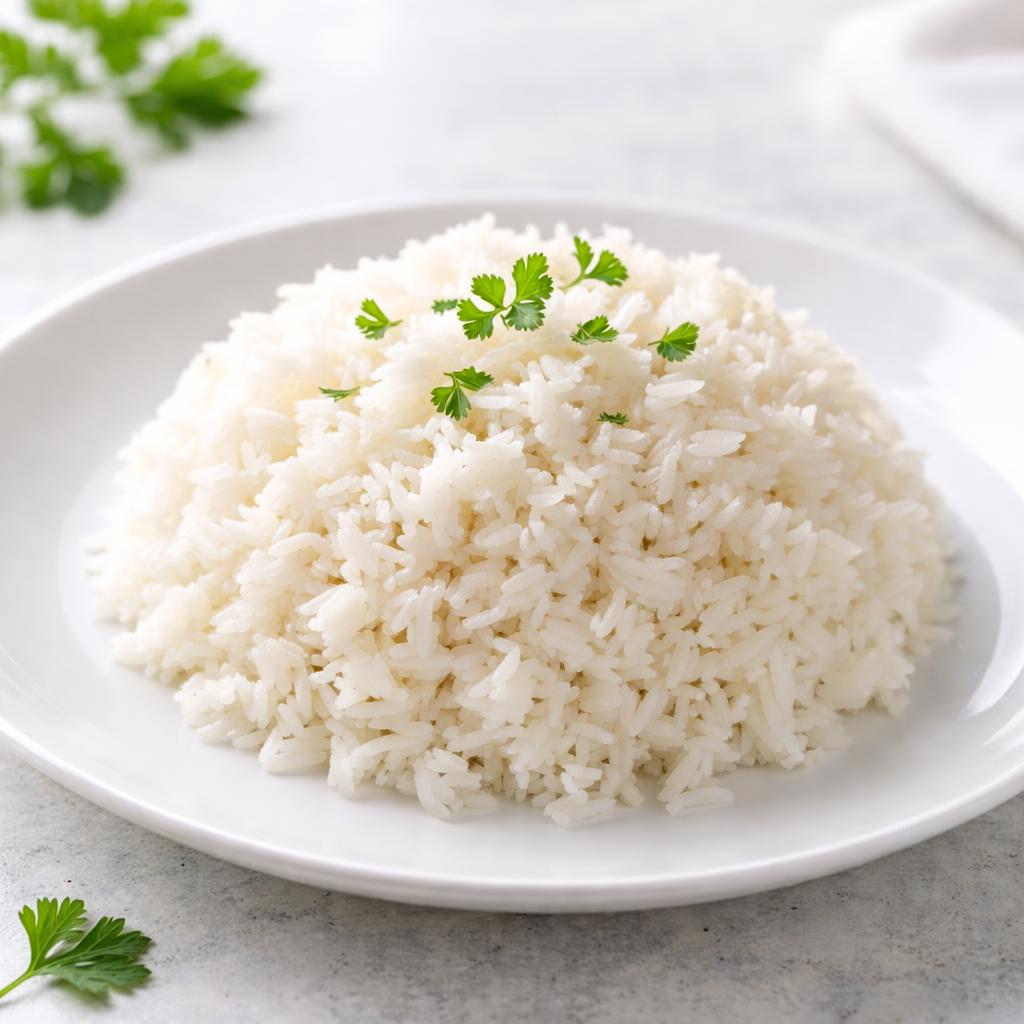
White Rice
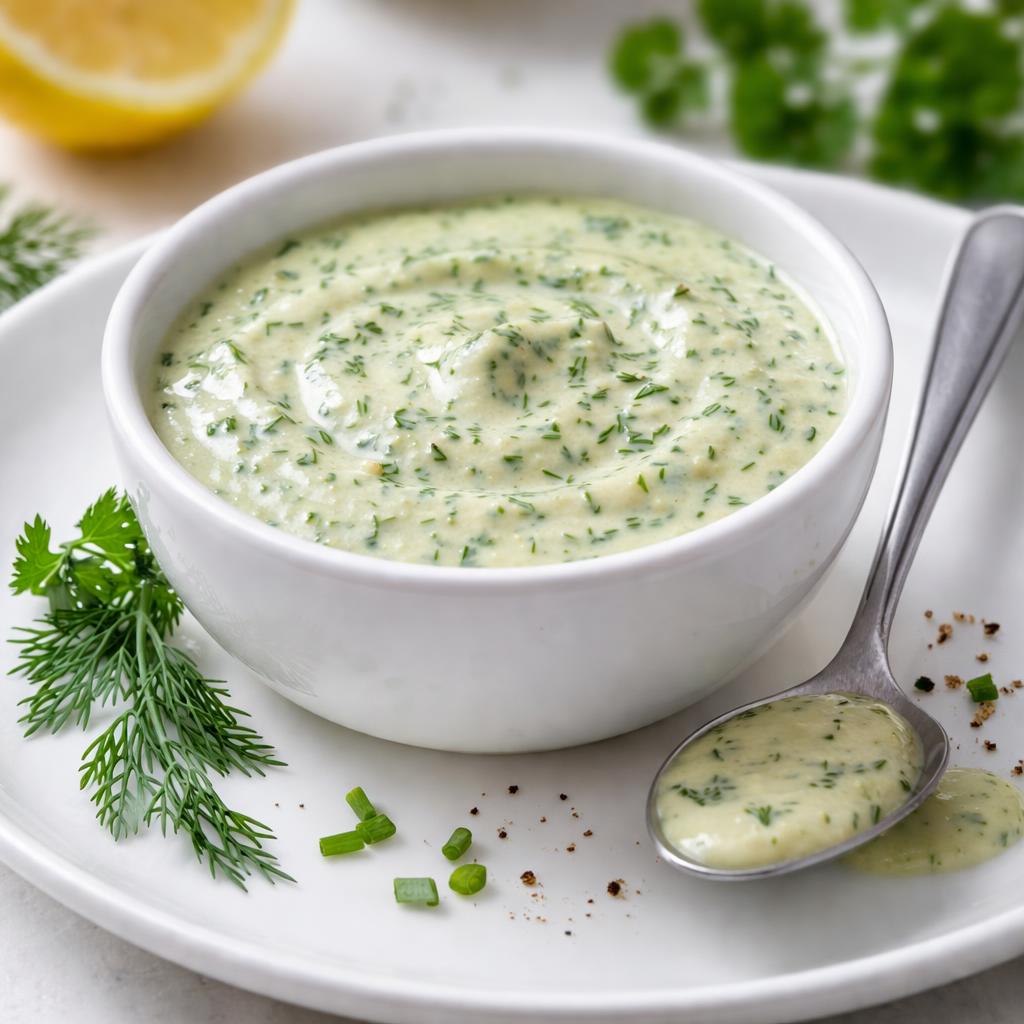
Dressing
🎯 Quick Verdict
White rice is a staple carbohydrate source that is low in calories, fat, and sodium, making it versatile for meals requiring energy. Dressing, on the other hand, is typically higher in calories and fat, serving better as a flavor enhancer rather than an energy source. White rice is better suited for those seeking a balanced base food, while dressing complements dishes with taste and occasional healthy fats.

Smart Nutrition Tracking with SnapCalorie

📊 Nutritional Comparison
Macronutrients
| Nutrient | Food 1 | Food 2 | Winner |
|---|---|---|---|
| Calories | 206 per cup cooked | 150 per 2 tbsp | ✓ |
| Protein | 4g | 0.5g | ✓ |
| Carbs | 45g | 5g | ✓ |
| Fat | 0.4g | 14g | ✓ |
| Fiber | 0.6g | 0.1g | ✓ |
Vitamins & Minerals
| Nutrient | Food 1 | Food 2 | Winner |
|---|---|---|---|
| Vitamin D | 0mcg | 0.2mcg | ✓ |
| Calcium | 10mg | 8mg | ✓ |
| Iron | 0.7mg | 0.4mg | ✓ |
🏆 Category Winners
Protein
White rice has 8x more protein than dressing per serving.
Fiber
White rice offers significantly more fiber than dressing.
Calories
When portion sizes are compared, white rice is lower in calories than dressing.
🥗 Diet Compatibility
Keto
Food 1: Not Compatible
Food 2: Compatible
Dressing is low-carb while white rice is high in carbohydrates.
Vegan
Food 1: Compatible
Food 2: Compatible
Both foods align with vegan principles as they are plant-based.
Gluten Free
Food 1: Compatible
Food 2: Compatible
Neither food contains gluten ingredients.
Paleo
Food 1: Not Compatible
Food 2: Compatible
Dressing complies with paleo restrictions, but white rice does not.
Low Carb
Food 1: Not Compatible
Food 2: Compatible
Dressing has minimal carbohydrates compared to the high carb content of white rice.
💪 Health Benefits Comparison
Food 1 Benefits
- Provides a quick energy source from carbohydrates
- Low-fat, making it ideal for controlled fat intake
- Gluten-free and suitable for sensitive diets
Food 2 Benefits
- Contains fats that can support heart health (depending on type of dressing)
- Adds flavor to meals, encouraging diversity in diet
- May provide small amounts of vitamins (like Vitamin D) depending on ingredients
✅ The Bottom Line
White rice is a dependable choice for those needing a gluten-free, low-fat carbohydrate base for energy, especially in larger meals. Dressing is better suited as a complement to meals to add flavor and occasional healthy fats. Use dressing sparingly to avoid excessive calorie and fat intake.
Choose Food 1 for: Meal bases, energy fueling, gluten-sensitive diets
Choose Food 2 for: Flavor enhancement, keto or paleo diets, healthy fat intake moderation


