White Rice VS Dipping Sauce
A detailed nutritional comparison
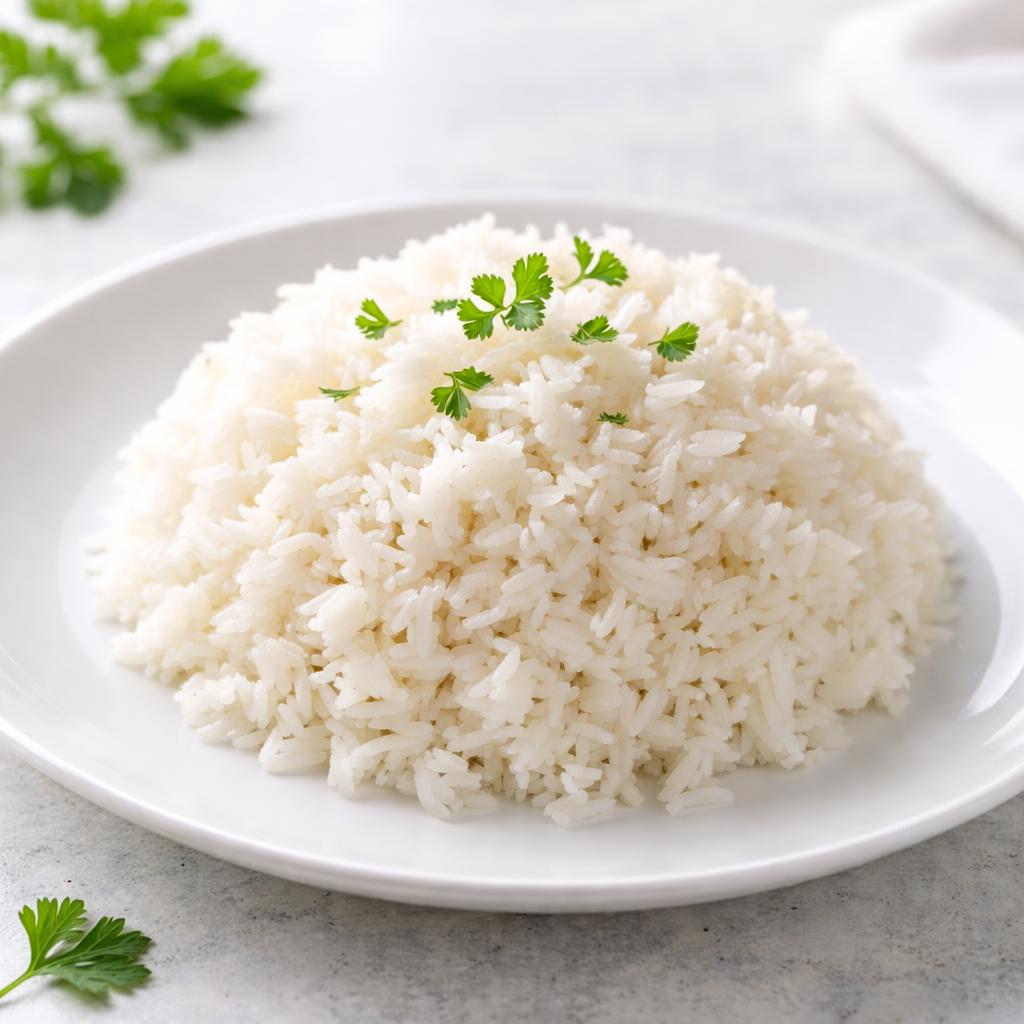
White Rice
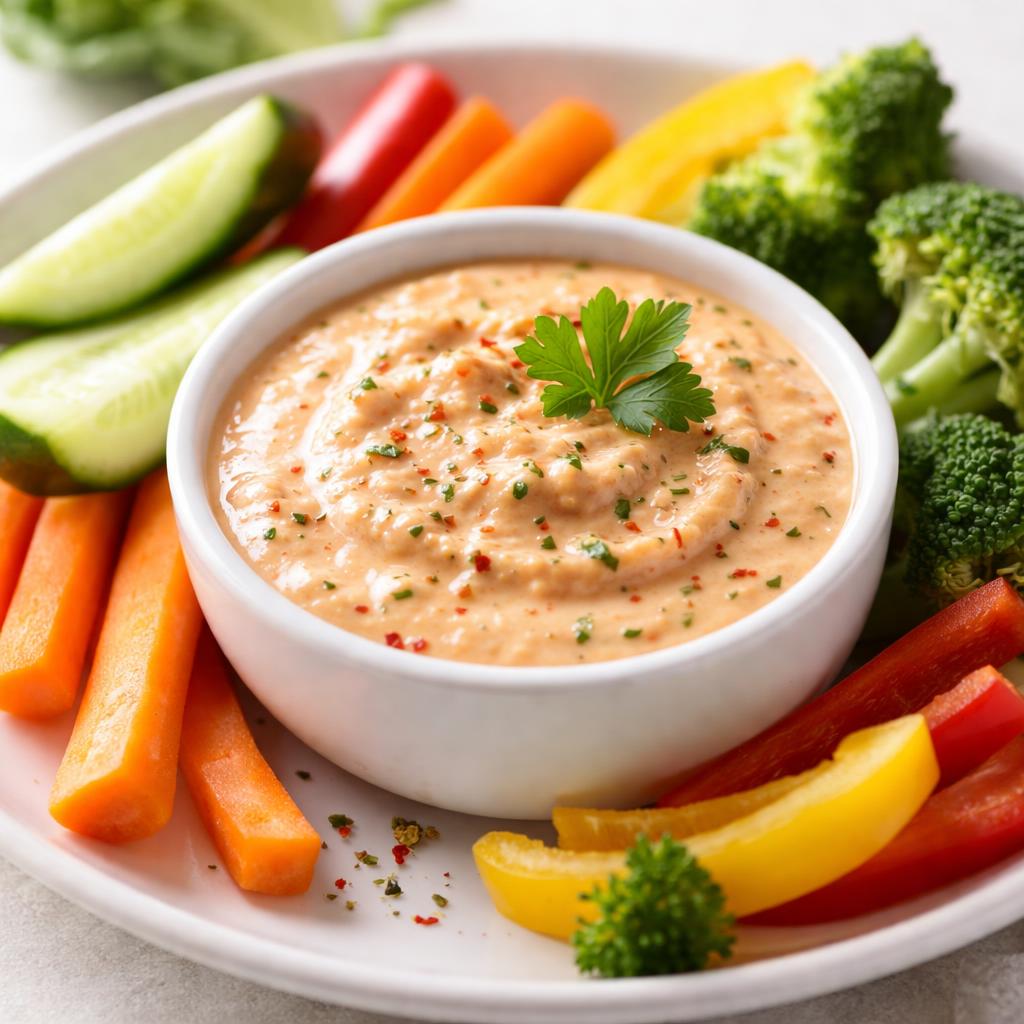
Dipping Sauce
🎯 Quick Verdict
White rice is a staple carbohydrate source with lower calories, higher protein, and higher fiber compared to dipping sauce, which is typically high in fat and sugar but adds flavor. White rice is ideal for energy-rich meals, while dipping sauces should be consumed sparingly as condiments to enhance dishes.

Smart Nutrition Tracking with SnapCalorie

📊 Nutritional Comparison
Macronutrients
| Nutrient | Food 1 | Food 2 | Winner |
|---|---|---|---|
| Calories | 130 (per 1 cup cooked) | 150 (per 2 tbsp) | ✓ |
| Protein | 2.4g | 0.5g | ✓ |
| Carbs | 28g | 4g | ✓ |
| Fat | 0.3g | 10g | ✓ |
| Fiber | 0.4g | 0g | ✓ |
Vitamins & Minerals
| Nutrient | Food 1 | Food 2 | Winner |
|---|---|---|---|
| Vitamin D | 0mcg | 0mcg | − |
| Calcium | 0mg | 20mg | ✓ |
| Iron | 1mg | 0.2mg | ✓ |
🏆 Category Winners
Protein
White rice contains nearly 5 times more protein per serving than dipping sauce.
Fiber
Although white rice is not fiber-rich, it still has more fiber than dipping sauce, which has none.
Calories
White rice has fewer calories per standard serving compared to dipping sauce.
🥗 Diet Compatibility
Keto
Food 1: Not Compatible
Food 2: Compatible (depending on sauce ingredients)
White rice is high in carbs, whereas many dipping sauces are low-carb when sugar-free.
Vegan
Food 1: Compatible
Food 2: Compatible (if plant-based ingredients)
Both can suit a vegan diet if the sauce does not contain animal products.
Gluten Free
Food 1: Compatible
Food 2: Potentially Compatible
White rice is naturally gluten-free; dipping sauce may contain gluten depending on recipe.
Paleo
Food 1: Not Compatible
Food 2: Potentially Compatible
White rice is excluded from paleo diets due to being a grain, while dipping sauces may fit if made with paleo-approved ingredients.
Low Carb
Food 1: Not Compatible
Food 2: Compatible
White rice is high-carb. Some dipping sauces (e.g., oil-based or sugar-free) may work for low-carb diets.
💪 Health Benefits Comparison
Food 1 Benefits
- Provides long-lasting energy due to carbohydrate content
- Low in fat, making it suitable for low-fat diets
- A gentle option for digestion—typically easy on the stomach
Food 2 Benefits
- Adds flavor to meals with minimal additional quantity
- Can enhance nutrient absorption when paired with healthy fats
- Potentially provides antioxidants depending on sauce ingredients (e.g., tomato-based sauces)
✅ The Bottom Line
White rice is a better option for energy and nutrition overall, while dipping sauce is better used sparingly to enhance meals. Choose rice for easy-to-digest carbs and sustained energy, while opting for dipping sauce as a supplementary flavor boost rather than a primary nutrient source.
Choose Food 1 for: Energy needs, meal base, light digestion
Choose Food 2 for: Flavor enhancement, controlled portion use, boosting meal appeal


