White Rice VS Dijon Mustard
A detailed nutritional comparison
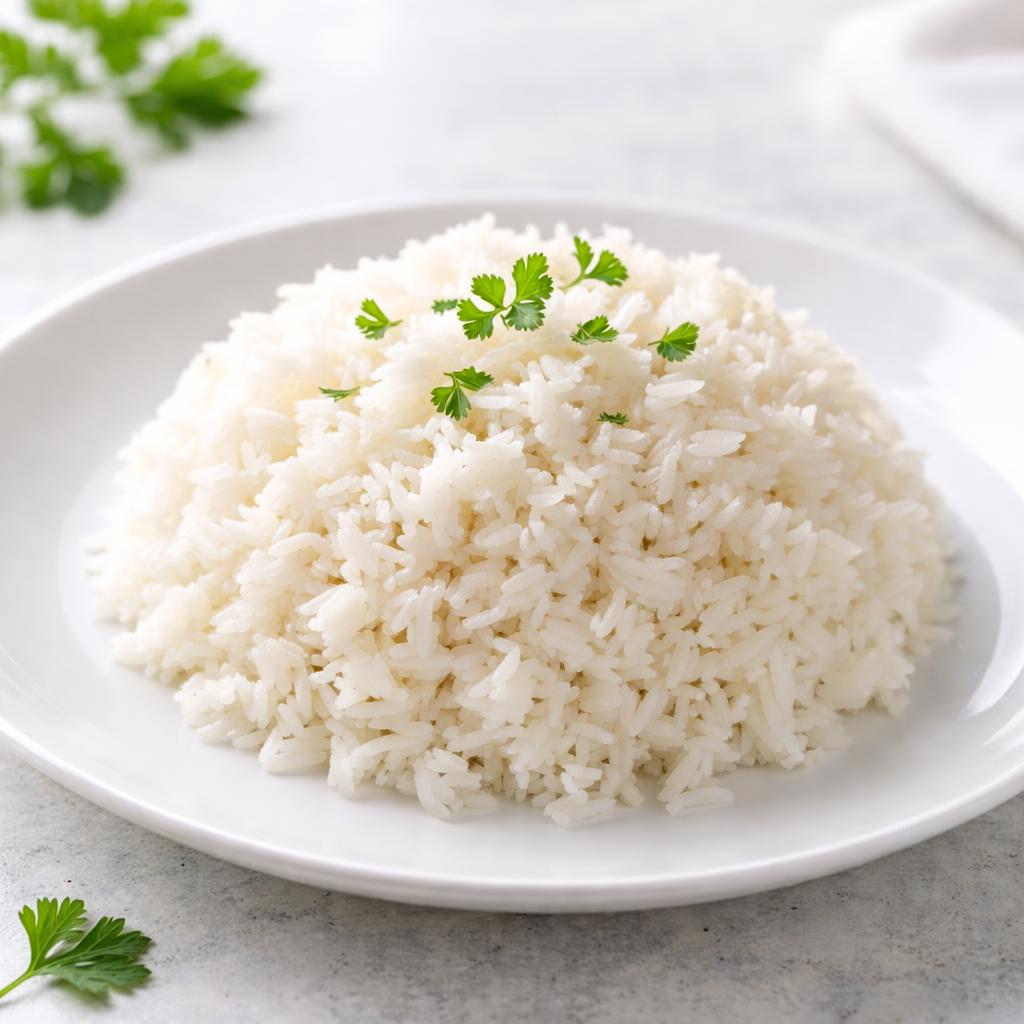
White Rice
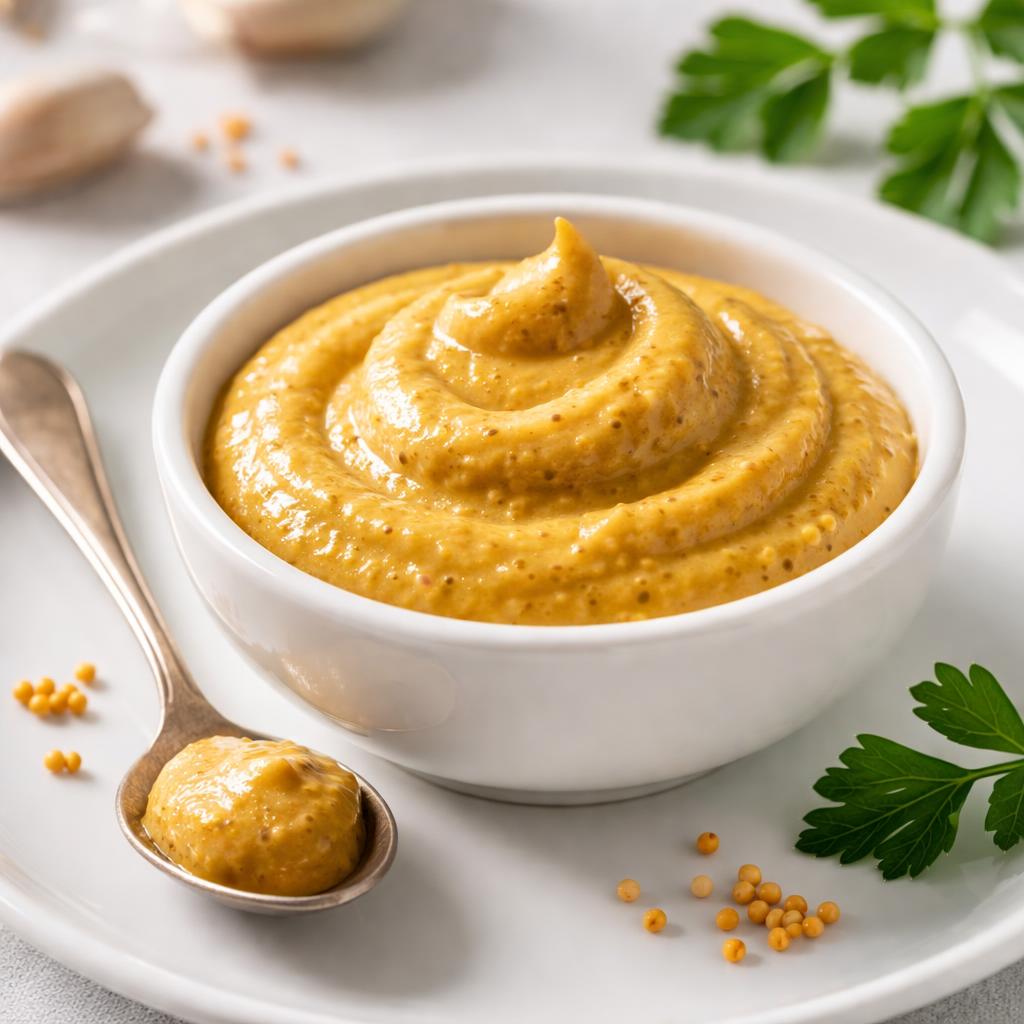
Dijon Mustard
🎯 Quick Verdict
White rice is primarily a carbohydrate source with higher calories and minimal protein or fiber, making it ideal for energy needs in active individuals or meal preparation. Dijon mustard, while low in calories and carbs, is rich in flavor, contains some protein, and provides antioxidants, making it a better choice for enhancing food healthily without caloric impact.

Smart Nutrition Tracking with SnapCalorie

📊 Nutritional Comparison
Macronutrients
| Nutrient | Food 1 | Food 2 | Winner |
|---|---|---|---|
| Calories | 204 per cup | 10 per tablespoon | ✓ |
| Protein | 4.2g per cup | 0.5g per tablespoon | ✓ |
| Carbs | 44.5g per cup | 1g per tablespoon | ✓ |
| Fat | 0.4g per cup | 0.1g per tablespoon | ✓ |
| Fiber | 0g per cup | 0.3g per tablespoon | ✓ |
Vitamins & Minerals
| Nutrient | Food 1 | Food 2 | Winner |
|---|---|---|---|
| Vitamin C | 0mg | 1mg per tablespoon | ✓ |
| Calcium | 16mg per cup | 5mg per tablespoon | ✓ |
| Iron | 0.3mg per cup | 0.1mg per tablespoon | ✓ |
🏆 Category Winners
Protein
White rice contains 4.2g of protein per cup, which is significantly higher than Dijon mustard’s 0.5g per tablespoon.
Fiber
Dijon mustard provides a small amount of fiber (0.3g per tablespoon), while white rice contains no fiber.
Calories
Dijon mustard is significantly lower in calories, with only 10 calories per tablespoon compared to 204 calories per cup for white rice.
🥗 Diet Compatibility
Keto
Food 1: Not Compatible
Food 2: Compatible
Dijon mustard is low-carb with only 1g of carbs per tablespoon. White rice is high-carb and not suitable for keto diets.
Vegan
Food 1: Compatible
Food 2: Compatible
Both foods are plant-based and suitable for a vegan diet.
Gluten Free
Food 1: Compatible
Food 2: Compatible
Neither food contains gluten naturally.
Paleo
Food 1: Not Compatible
Food 2: Depends
White rice is not allowed on the paleo diet, while Dijon mustard may be acceptable depending on added ingredients (e.g., vinegar source).
Low Carb
Food 1: Not Compatible
Food 2: Compatible
White rice is high in carbs (44.5g per cup), whereas Dijon mustard is low-carb with negligible carb content (1g per tablespoon).
💪 Health Benefits Comparison
Food 1 Benefits
- Excellent energy source from carbohydrates for physical activity
- Easy to digest, making it suitable for sensitive stomachs
- Pairs well as a versatile base in balanced meals
Food 2 Benefits
- Low calorie condiment that adds flavor without impacting diet
- Contains antioxidants from mustard seeds, supporting overall health
- Small amount of fiber aids digestion
✅ The Bottom Line
Choose white rice for high-energy meals or as a neutral base for various dietary applications. Dijon mustard is better for low-calorie, low-carb diets and adds flavor without significant caloric impact.
Choose Food 1 for: Energy boosts, staple carb source, meal prepping
Choose Food 2 for: Low-calorie diets, ketogenic plans, flavor enhancement


