White Rice VS Cup Of Coffee
A detailed nutritional comparison
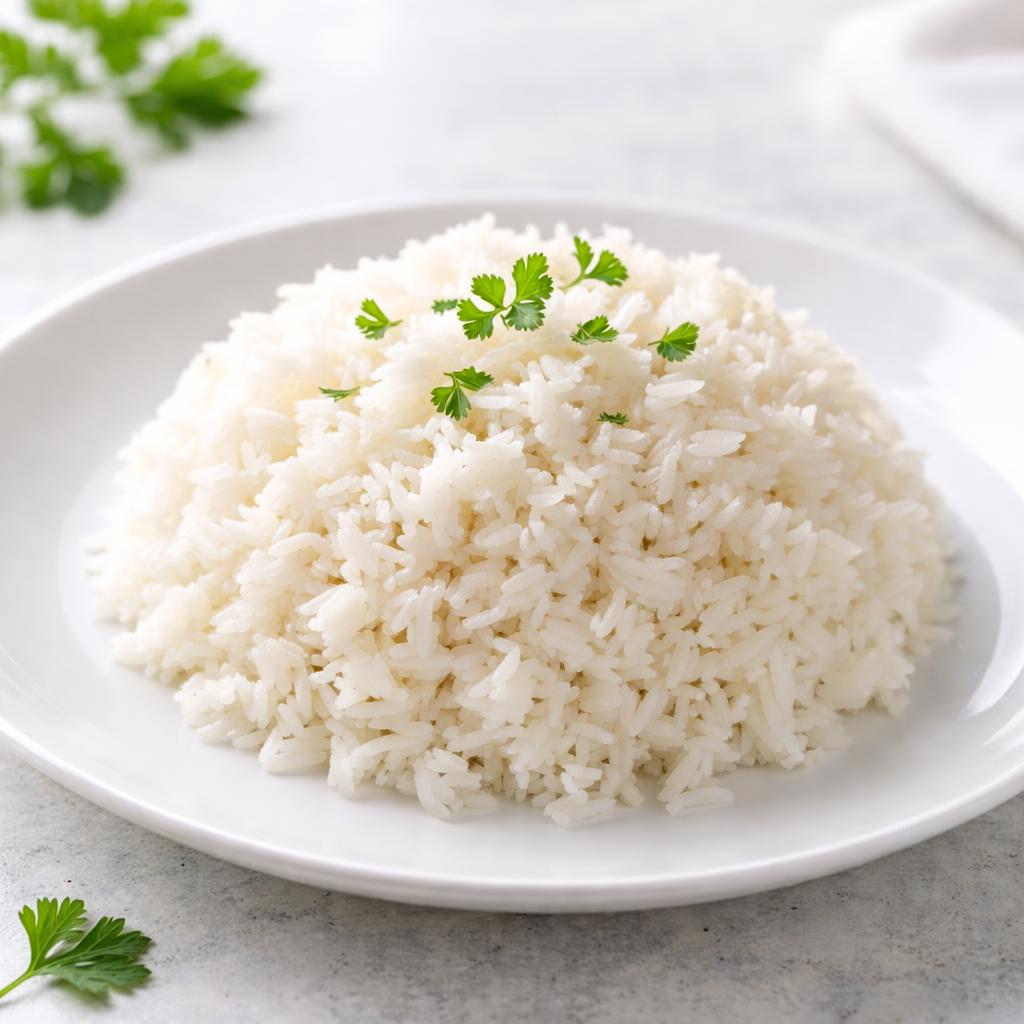
White Rice

Cup Of Coffee
🎯 Quick Verdict
White rice and coffee serve different purposes in a diet. White rice provides carbs for energy but lacks significant amounts of protein, fiber, and vitamins. On the other hand, coffee is extremely low in calories and offers antioxidants, and can boost alertness, but provides minimal macro-nutrients. White rice is better for sustained energy and meal incorporation, while coffee is better as a beverage for a low-calorie, caffeine boost.

Smart Nutrition Tracking with SnapCalorie

📊 Nutritional Comparison
Macronutrients
| Nutrient | Food 1 | Food 2 | Winner |
|---|---|---|---|
| Calories | 205 | 2 | ✓ |
| Protein | 4.2g | 0.3g | − |
| Carbs | 44.5g | 0g | ✓ |
| Fat | 0.4g | 0.1g | ✓ |
| Fiber | 0.6g | 0g | ✓ |
Vitamins & Minerals
| Nutrient | Food 1 | Food 2 | Winner |
|---|---|---|---|
| Vitamin D | 0mcg | 0mcg | − |
| Calcium | 10mg | 4mg | ✓ |
| Iron | 0.2mg | 0mg | ✓ |
🏆 Category Winners
Protein
Both foods have negligible protein content.
Fiber
White rice provides 0.6g fiber per serving compared to coffee's 0g.
Calories
Coffee has 99% fewer calories than white rice.
🥗 Diet Compatibility
Keto
Food 1: Not Compatible
Food 2: Compatible
Coffee has no carbs, making it keto-friendly.
Vegan
Food 1: Compatible
Food 2: Compatible
Both are plant-based foods.
Gluten Free
Food 1: Compatible
Food 2: Compatible
Neither food contains gluten.
Paleo
Food 1: Not Compatible
Food 2: Compatible
White rice is a grain and not allowed on paleo diets; coffee is acceptable.
Low Carb
Food 1: Not Compatible
Food 2: Compatible
White rice is high in carbs, while coffee is carb-free.
💪 Health Benefits Comparison
Food 1 Benefits
- Provides quick energy due to high carbohydrate content
- Excellent for post-workout recovery when paired with protein
- Easy to digest for sensitive stomachs
Food 2 Benefits
- Rich in antioxidants for fighting free radicals
- Boosts mental alertness and focus due to caffeine
- Low calorie option for weight management
✅ The Bottom Line
White rice is a valuable source of calories and energy, making it ideal for active individuals or meal planning. Coffee is better suited as a beverage for those seeking low calories and increased alertness. Choose white rice for sustenance and coffee for hydration or a caffeine boost.
Choose Food 1 for: Energy supply, high-carb diets, easy digestion
Choose Food 2 for: Mental alertness, weight management, keto and low-carb diets


