White Rice VS Crab
A detailed nutritional comparison
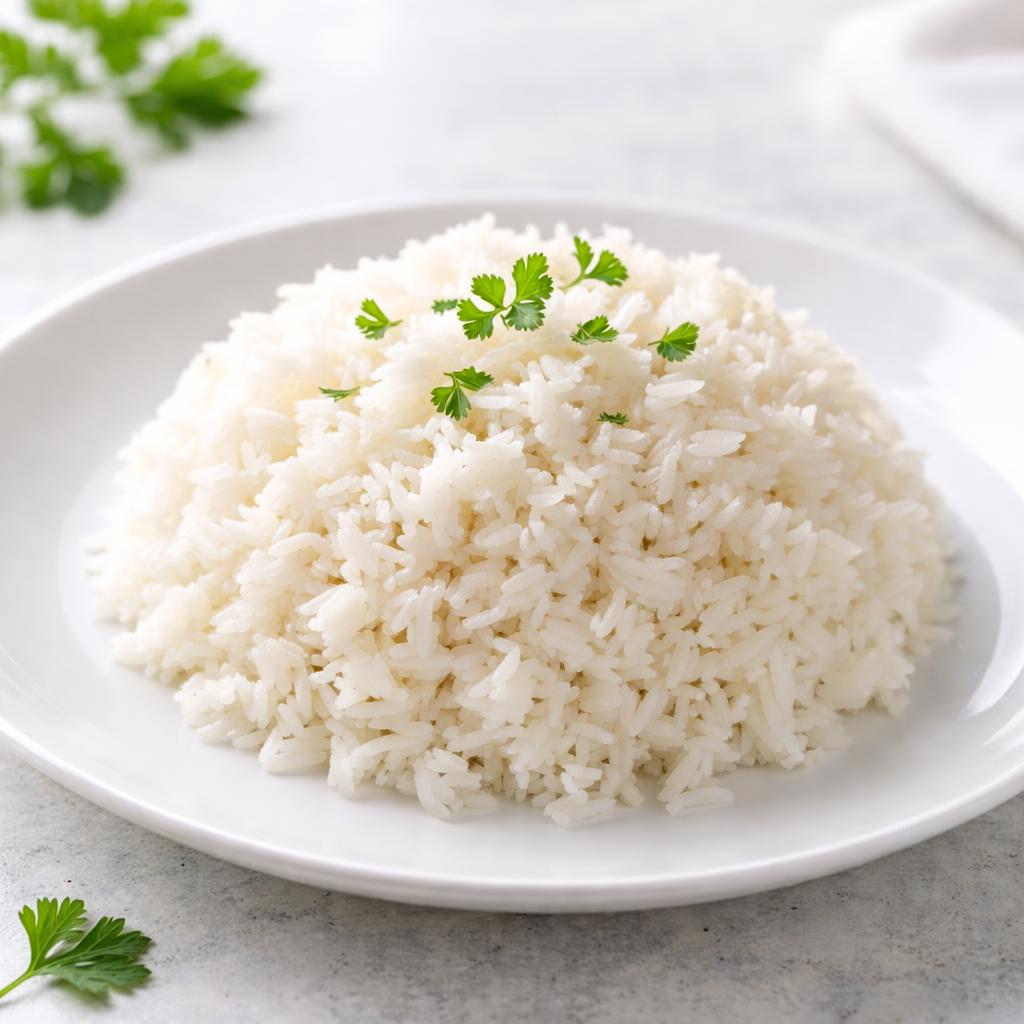
White Rice
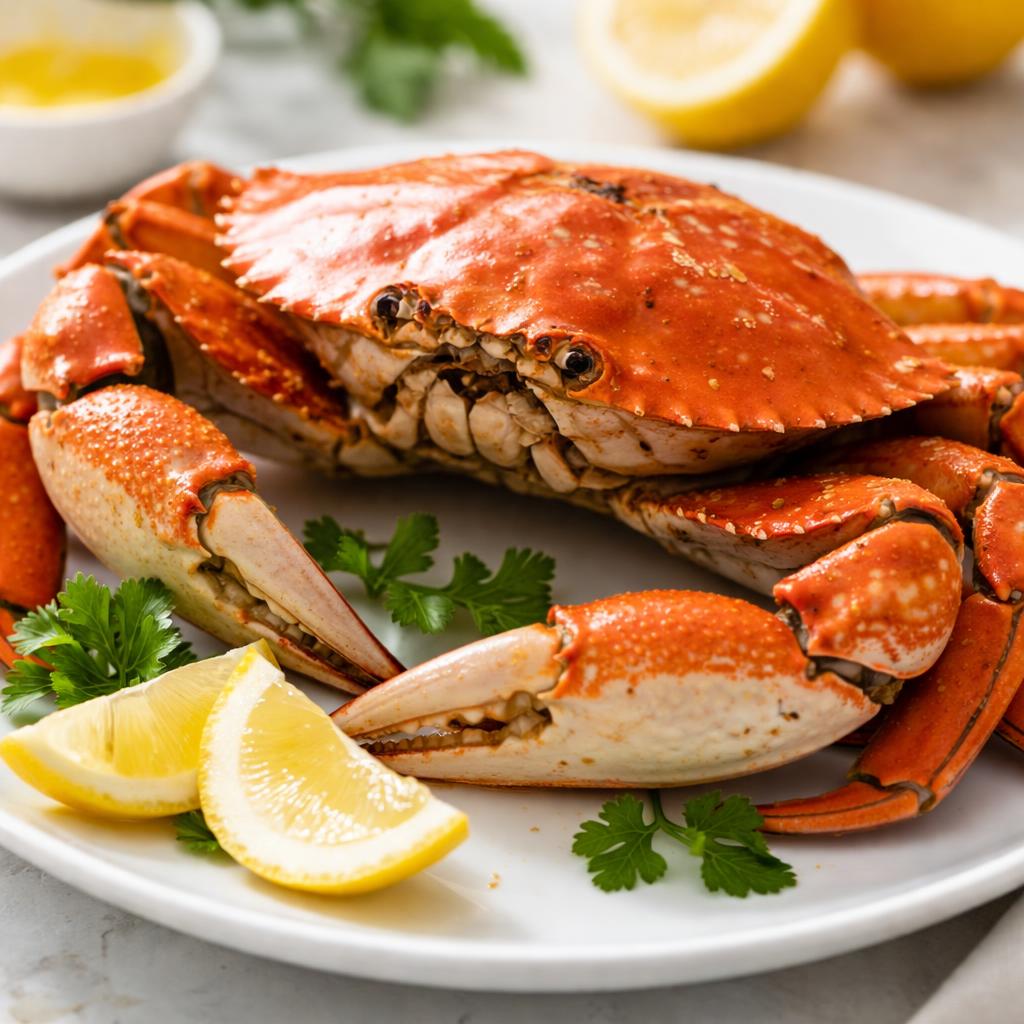
Crab
🎯 Quick Verdict
Crab is a high-protein, low-calorie food that is rich in essential nutrients like vitamin B12, selenium, and omega-3 fatty acids, making it ideal for weight loss and muscle maintenance. White rice is primarily a source of carbohydrates, offering quick energy but lacking significant levels of protein, fiber, or vitamins, making it suitable for individuals needing energy for endurance activities or as a base in meals.

Smart Nutrition Tracking with SnapCalorie

📊 Nutritional Comparison
Macronutrients
| Nutrient | Food 1 | Food 2 | Winner |
|---|---|---|---|
| Calories | 205 (per cup cooked) | 97 (per 100g cooked) | ✓ |
| Protein | 4.3g | 20g | ✓ |
| Carbs | 45g | 0g | ✓ |
| Fat | 0.4g | 1g | ✓ |
| Fiber | 0.6g | 0g | − |
Vitamins & Minerals
| Nutrient | Food 1 | Food 2 | Winner |
|---|---|---|---|
| Vitamin B12 | 0mcg | 9.78mcg | ✓ |
| Selenium | 0.6mcg | 36.4mcg | ✓ |
| Iron | 0.2mg | 0.5mg | ✓ |
| Magnesium | 15mg | 29mg | ✓ |
🏆 Category Winners
Protein
Crab contains nearly 5x the protein per serving compared to white rice.
Fiber
Both foods are very low in fiber.
Calories
Crab is significantly lower in calories compared to white rice per equivalent serving.
Vitamins
Crab is rich in vitamin B12, selenium, and other essential micronutrients, whereas white rice lacks significant concentrations of vitamins.
🥗 Diet Compatibility
Keto
Food 1: Not Compatible
Food 2: Compatible
Crab is low-carb and fits well into a ketogenic diet, while white rice is high in carbohydrates and does not align with keto guidelines.
Vegan
Food 1: Compatible
Food 2: Not Compatible
White rice is plant-based, whereas crab is an animal product.
Gluten Free
Food 1: Compatible
Food 2: Compatible
Both foods are naturally gluten-free.
Paleo
Food 1: Not Compatible
Food 2: Compatible
Crab aligns well with Paleo diets due to its natural, protein-rich profile, while white rice is typically excluded because it is a cultivated grain.
Low Carb
Food 1: Not Compatible
Food 2: Compatible
Food1 is high in carbohydrates (45g per serving), while crab is carb-free and suitable for low-carb diets.
💪 Health Benefits Comparison
Food 1 Benefits
- Provides quick, easily digestible energy
- Forms a versatile base for a variety of meals
- Naturally gluten-free, suitable for gluten-sensitive individuals
Food 2 Benefits
- High-quality protein for muscle growth and repair
- Rich in selenium, supporting antioxidant activity and thyroid health
- Good source of omega-3 fatty acids for heart and brain health
- Contains vitamin B12 for energy metabolism and nerve function
✅ The Bottom Line
Crab is the superior choice for individuals focusing on nutrient density, high protein intake, or low-calorie diets, whereas white rice is suitable for situations requiring quick energy and carbohydrate loading, such as endurance activities. Both can complement specific dietary goals depending on their use case.
Choose Food 1 for: Energy for endurance sports, meal bases, inclusion in plant-based diets
Choose Food 2 for: Weight loss, high-protein diets, nutrient-dense meals, low-carb lifestyles


