White Rice VS Cooked Potato
A detailed nutritional comparison
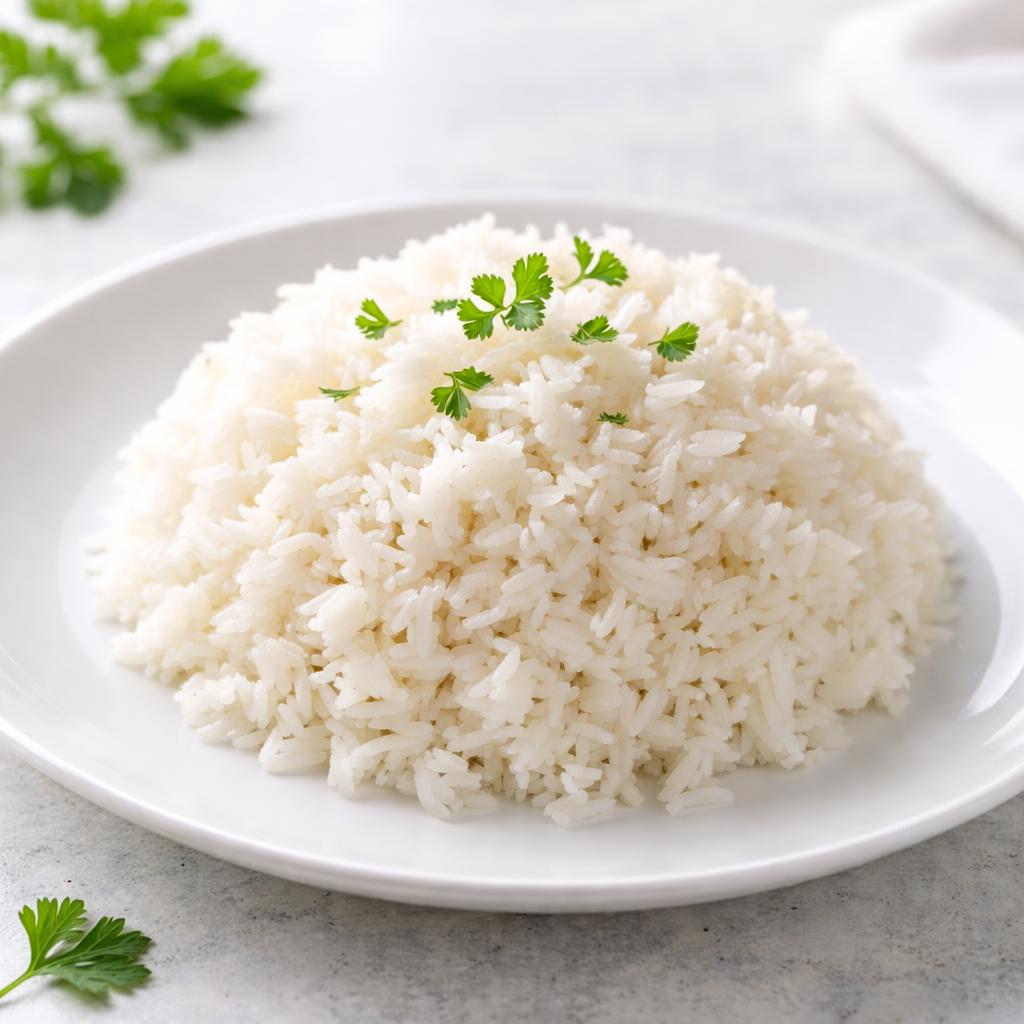
White Rice
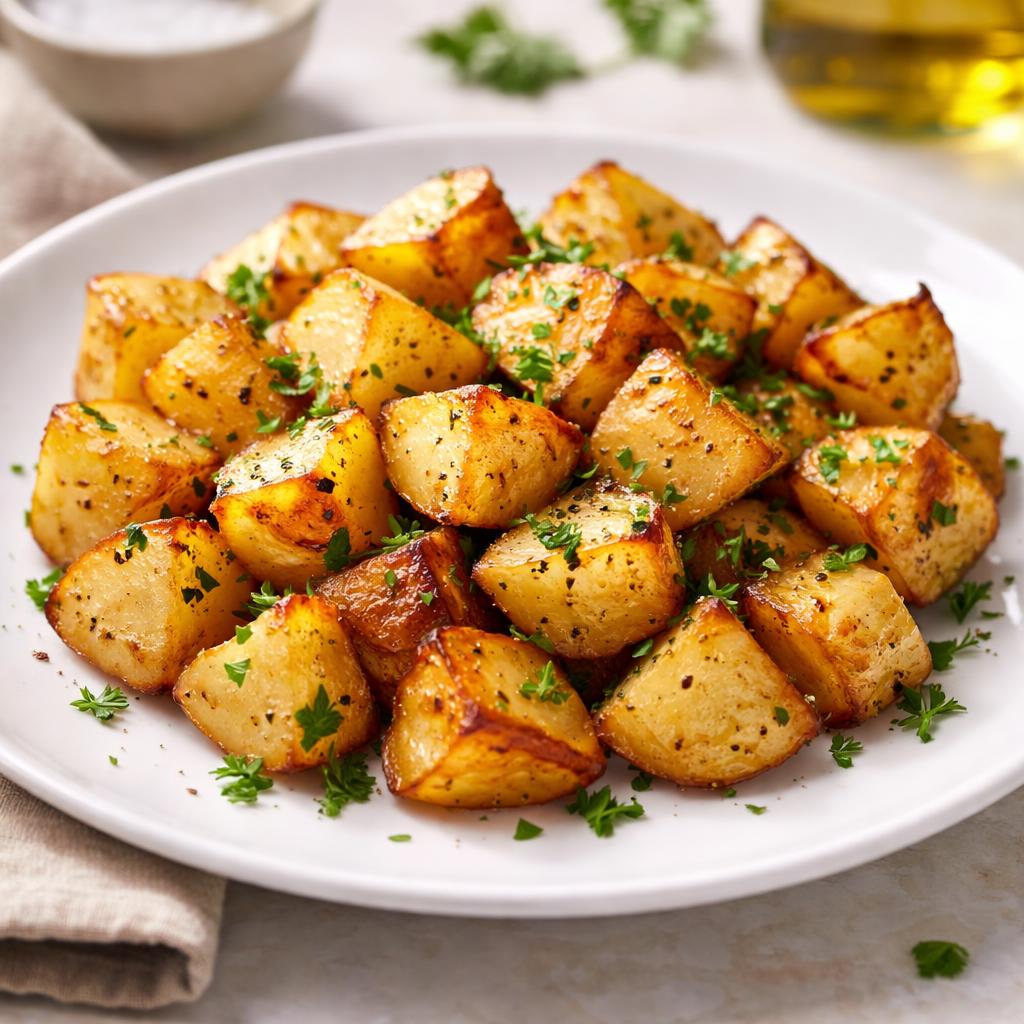
Cooked Potato
🎯 Quick Verdict
White rice is lower in calories but provides fewer nutrients overall compared to cooked potatoes. Potatoes contain more fiber, vitamins, and minerals, making them a more nutrient-dense choice. White rice is ideal for simple carbs and energy, while potatoes excel in delivering more diverse health benefits.

Smart Nutrition Tracking with SnapCalorie

📊 Nutritional Comparison
Macronutrients
| Nutrient | Food 1 | Food 2 | Winner |
|---|---|---|---|
| Calories | 130 per 100g | 77 per 100g | ✓ |
| Protein | 2.7g per 100g | 2g per 100g | − |
| Carbs | 28.6g per 100g | 17.3g per 100g | ✓ |
| Fat | 0.3g per 100g | 0.1g per 100g | ✓ |
| Fiber | 0.4g per 100g | 2.2g per 100g | ✓ |
Vitamins & Minerals
| Nutrient | Food 1 | Food 2 | Winner |
|---|---|---|---|
| Vitamin C | None | 19.7mg per 100g | ✓ |
| Potassium | 35mg per 100g | 429mg per 100g | ✓ |
| Vitamin B6 | 0mg per 100g | 0.3mg per 100g | ✓ |
🏆 Category Winners
Protein
Both foods provide approximately 2-3g of protein per 100g.
Fiber
Cooked potatoes have 5.5x more fiber than white rice.
Calories
Cooked potatoes are significantly lower in calories.
Vitamins
Potatoes contain higher levels of Vitamin C, Potassium, and Vitamin B6 compared to white rice.
🥗 Diet Compatibility
Keto
Food 1: Not Compatible
Food 2: Not Compatible
Both foods are high in carbs.
Vegan
Food 1: Compatible
Food 2: Compatible
Neither food contains animal products.
Gluten Free
Food 1: Compatible
Food 2: Compatible
Neither food contains gluten.
Paleo
Food 1: Not Compatible
Food 2: Compatible
Potatoes are naturally paleo-friendly, but processed white rice is not.
Low-Carb
Food 1: Not Compatible
Food 2: Not Compatible
Both foods are high-carb and unsuitable for low-carb diets.
💪 Health Benefits Comparison
Food 1 Benefits
- Provides quick energy due to easily digestible carbohydrates
- Contains minimal fat, aiding those on low-fat diets
- Acts as a neutral base for a variety of meals
Food 2 Benefits
- Good source of fiber, promoting gut health
- Rich in potassium for muscle and heart function
- High in Vitamin C, supporting immune health and skin elasticity
- Contains antioxidants that combat free radicals
✅ The Bottom Line
White rice is a simple carbohydrate source ideal for energy and quick meal prep, while cooked potatoes are better suited for those seeking a more nutrient-dense food with added vitamins, fiber, and minerals. Choose white rice for pre-workout carb loading or light meals, and opt for potatoes for overall nutrition and satiety.
Choose Food 1 for: Energy boosts, simple meals, low-fat diets
Choose Food 2 for: Gut health, immune support, nutrient density


