White Rice VS Cooked Egg
A detailed nutritional comparison
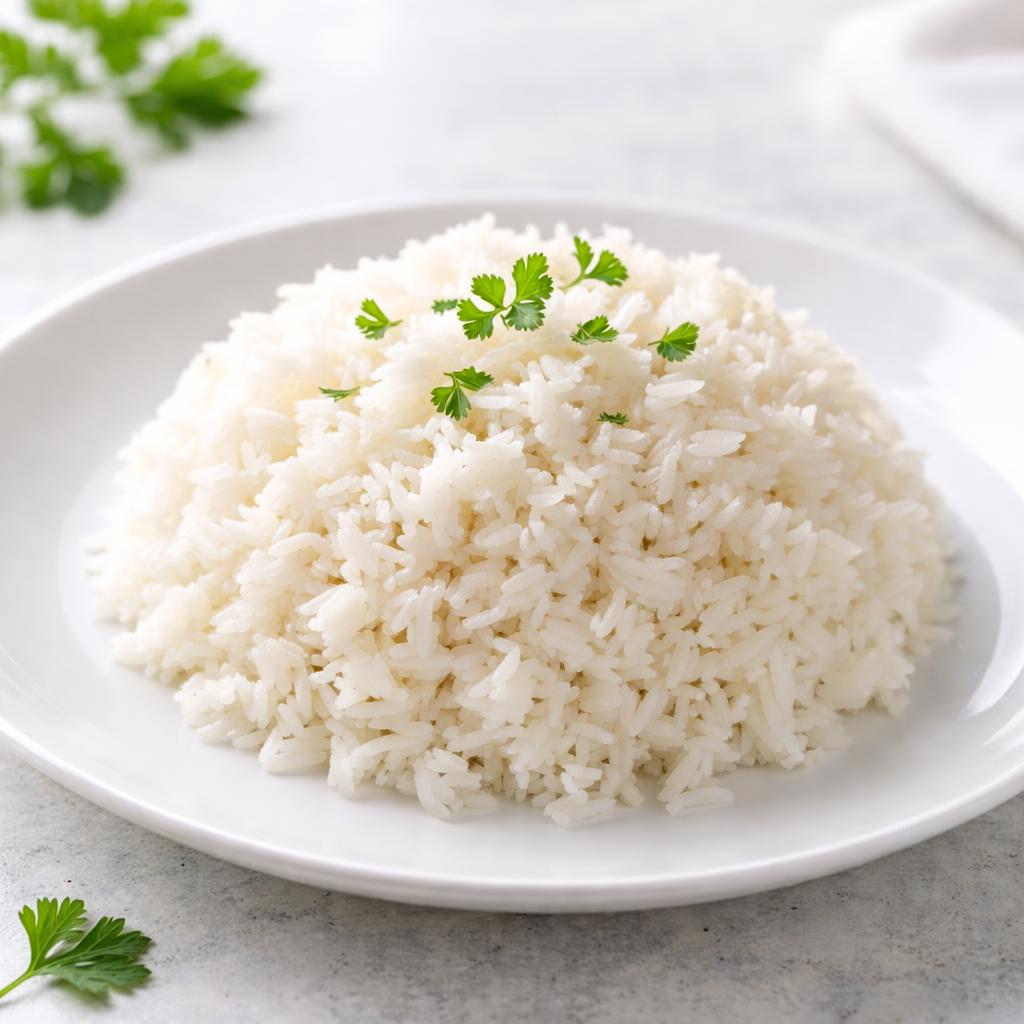
White Rice
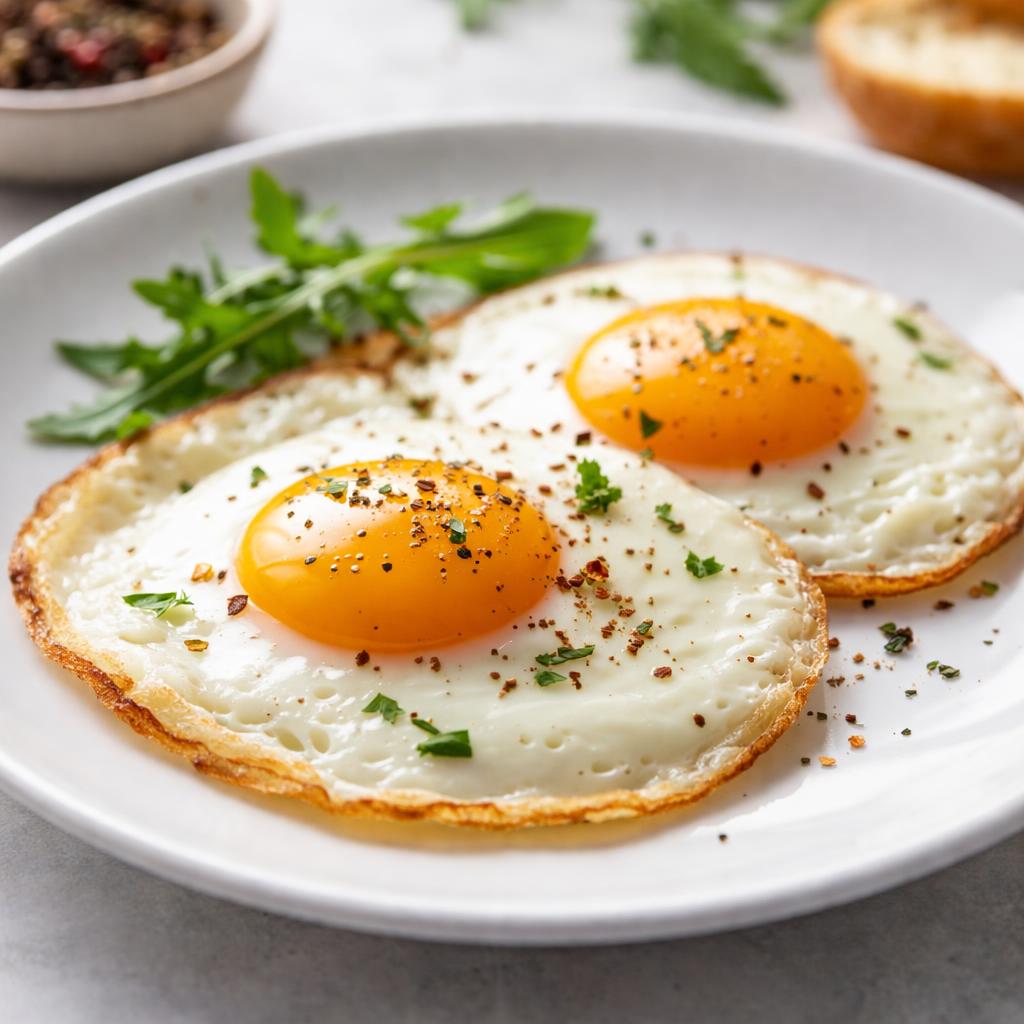
Cooked Egg
🎯 Quick Verdict
Cooked egg outshines white rice in protein content (6g vs 2g per serving) and has fewer calories per serving (70 vs 150). White rice provides more carbohydrates, making it better for energy replenishment post-exercise or heavy activity. Both are low in fiber, but eggs offer better micronutrient density, especially in vitamins and healthy fats.

Smart Nutrition Tracking with SnapCalorie

📊 Nutritional Comparison
Macronutrients
| Nutrient | Food 1 | Food 2 | Winner |
|---|---|---|---|
| Calories | 150 | 70 | ✓ |
| Protein | 2g | 6g | ✓ |
| Carbs | 35g | 0.5g | ✓ |
| Fat | 0g | 5g | ✓ |
| Fiber | 0.5g | 0.5g | − |
Vitamins & Minerals
| Nutrient | Food 1 | Food 2 | Winner |
|---|---|---|---|
| Vitamin D | 0mcg | 1mcg | ✓ |
| Calcium | 10mg | 25mg | ✓ |
| Iron | 0.2mg | 1mg | ✓ |
🏆 Category Winners
Protein
Cooked egg contains 3x more protein than white rice per serving.
Fiber
Both foods have negligible fiber content (0.5g per serving).
Calories
Cooked egg has approximately half the calories of white rice.
Vitamins
Eggs offer higher levels of vitamin D, calcium, and iron compared to white rice.
🥗 Diet Compatibility
Keto
Food 1: Not Compatible
Food 2: Compatible
Egg is low-carb, making it suitable for keto diets. White rice is high-carb and excluded from keto.
Vegan
Food 1: Compatible
Food 2: Not Compatible
White rice is plant-based, while eggs are not suitable for vegan diets.
Gluten Free
Food 1: Compatible
Food 2: Compatible
Neither food contains gluten.
Paleo
Food 1: Not Compatible
Food 2: Compatible
Egg is appropriate for Paleo diets, while white rice is generally excluded.
Low-Carb
Food 1: Not Compatible
Food 2: Compatible
White rice is high in carbohydrates (35g per serving), while eggs are low in carbs (0.5g per serving).
💪 Health Benefits Comparison
Food 1 Benefits
- Excellent source of energy due to high carbohydrate content
- Low in fat, making it a suitable option for low-fat diets
- Easy to digest and suitable for sensitive stomachs
Food 2 Benefits
- High in protein, supporting muscle development and repair
- Contains healthy fats, including omega-3s (if enriched), for brain function and heart health
- Rich in essential vitamins such as vitamin D and B vitamins
✅ The Bottom Line
Cooked eggs are the better choice for protein-rich diets, low-carb lifestyles, and overall nutrient density. White rice is a better option for quick energy, particularly in carb-focused meals or post-workout recovery. Both can play important roles depending on dietary goals.
Choose Food 1 for: Energy replenishment, easy-to-digest meals, carb-loading
Choose Food 2 for: Protein-based diets, keto or Paleo meals, nutrient-rich options


