White Rice VS Cold Brew
A detailed nutritional comparison
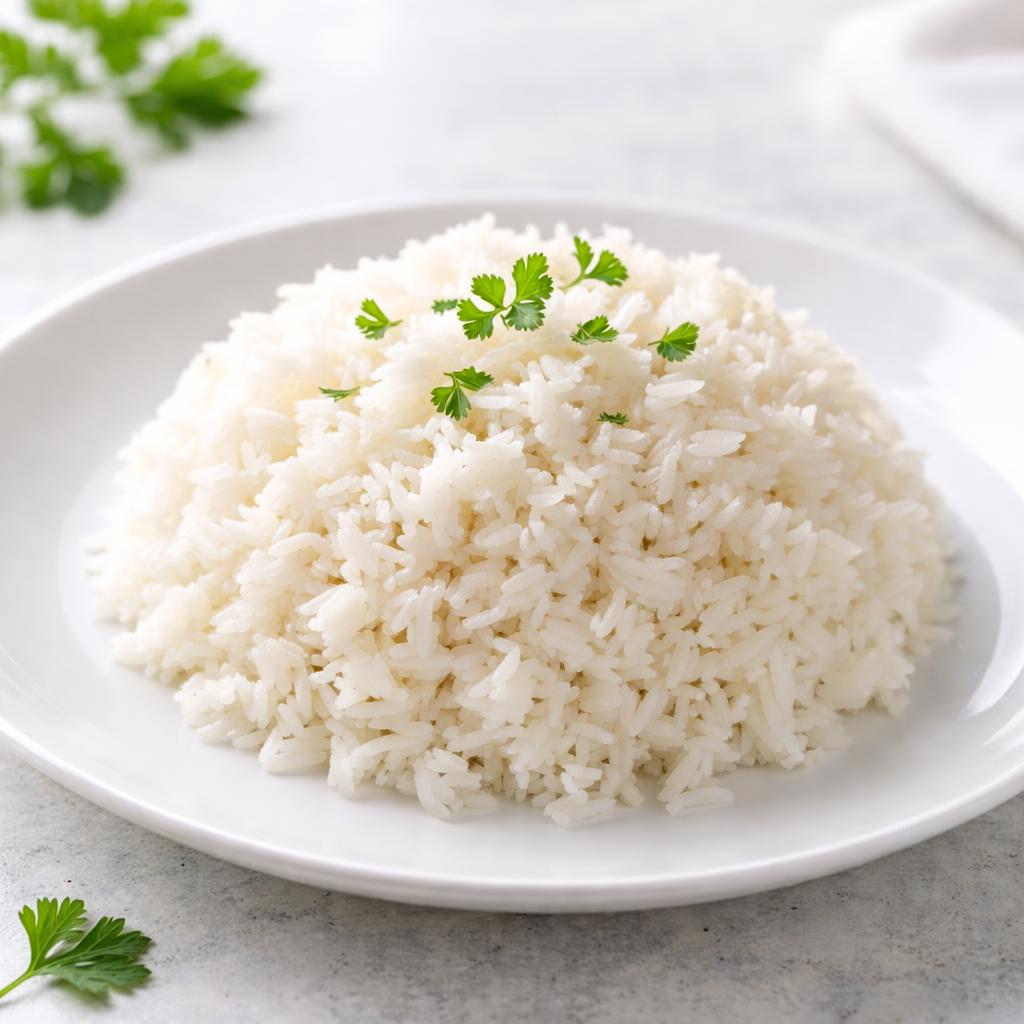
White Rice
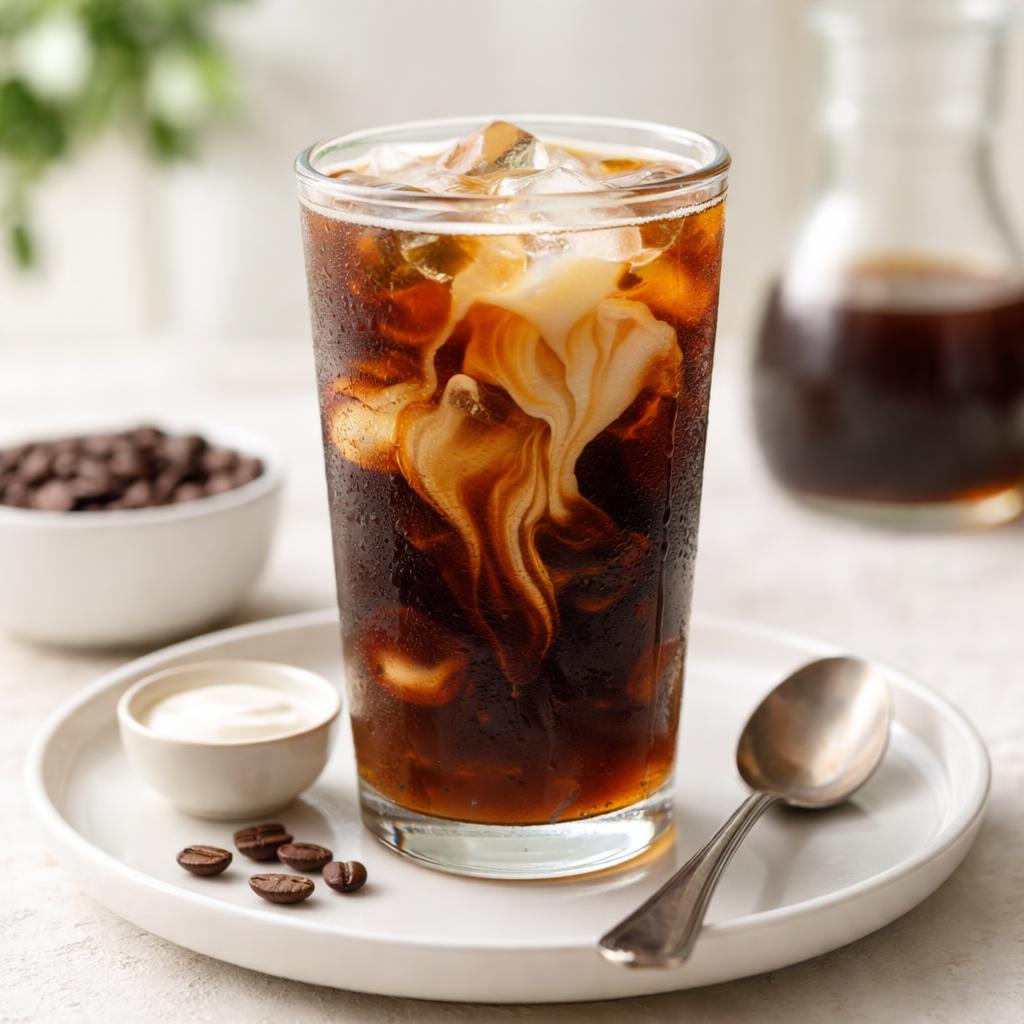
Cold Brew
🎯 Quick Verdict
White rice offers more calories, protein, and fiber, making it ideal for energy and digestive support. Cold brew, a zero-calorie beverage, provides stimulation and hydration without contributing macronutrients. White rice is suited for meals requiring carbs and energy, whereas cold brew is best as a stimulating drink without calories.

Smart Nutrition Tracking with SnapCalorie

📊 Nutritional Comparison
Macronutrients
| Nutrient | Food 1 | Food 2 | Winner |
|---|---|---|---|
| Calories | 205 | 2 | ✓ |
| Protein | 4.25g | 0g | ✓ |
| Carbs | 44.5g | 0g | ✓ |
| Fat | 0.44g | 0g | ✓ |
| Fiber | 0.6g | 0g | ✓ |
Vitamins & Minerals
| Nutrient | Food 1 | Food 2 | Winner |
|---|---|---|---|
| Vitamin D | 0mcg | 0mcg | − |
| Calcium | 5mg | 4mg | ✓ |
| Iron | 0.63mg | 0.02mg | ✓ |
🏆 Category Winners
Protein
White rice contains 4.25g of protein while cold brew has none.
Fiber
White rice provides 0.6g of fiber, whereas cold brew has none.
Calories
Cold brew is a zero-calorie beverage, while white rice has 205 calories per serving.
Vitamins
White rice offers small amounts of calcium and iron, unlike cold brew.
🥗 Diet Compatibility
Keto
Food 1: Not Compatible
Food 2: Compatible
White rice is high in carbs, while cold brew contains none.
Vegan
Food 1: Compatible
Food 2: Compatible
Both are plant-based and vegan-friendly.
Gluten Free
Food 1: Compatible
Food 2: Compatible
Neither contains gluten.
Paleo
Food 1: Not Compatible
Food 2: Compatible
White rice does not align with paleo diets, but cold brew is acceptable.
Low-Carb
Food 1: Not Compatible
Food 2: Compatible
White rice is high-carb (44.5g per serving), whereas cold brew has no carbs.
💪 Health Benefits Comparison
Food 1 Benefits
- Provides a quick source of energy due to its carbohydrate content
- Supports digestive health with its minimal fiber content
- Contributes small amounts of essential minerals like iron and calcium
Food 2 Benefits
- Boosts alertness and energy levels thanks to caffeine content
- Hydrates without adding calories or macronutrients
- May provide antioxidants to support cellular health
✅ The Bottom Line
White rice is best suited for meals requiring calories, carbs, and energy, making it ideal for post-workout recovery or carb-loading. Cold brew, being calorie- and nutrient-free, is better for hydration and caffeine energy boosts without impacting diet goals.
Choose Food 1 for: Energy demands, carb-loading, post-workout meals
Choose Food 2 for: Low-calorie hydration, keto diets, caffeine boosts


