White Rice VS Chutney
A detailed nutritional comparison
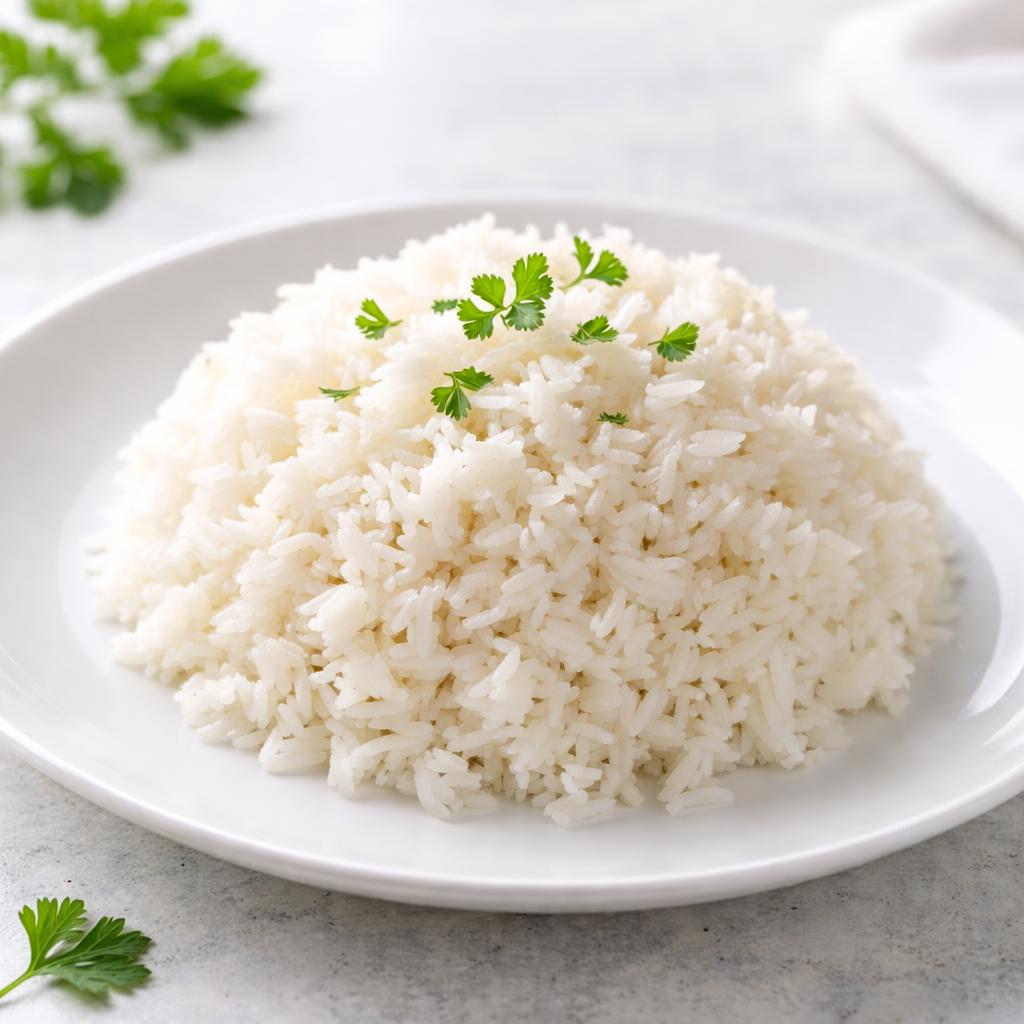
White Rice
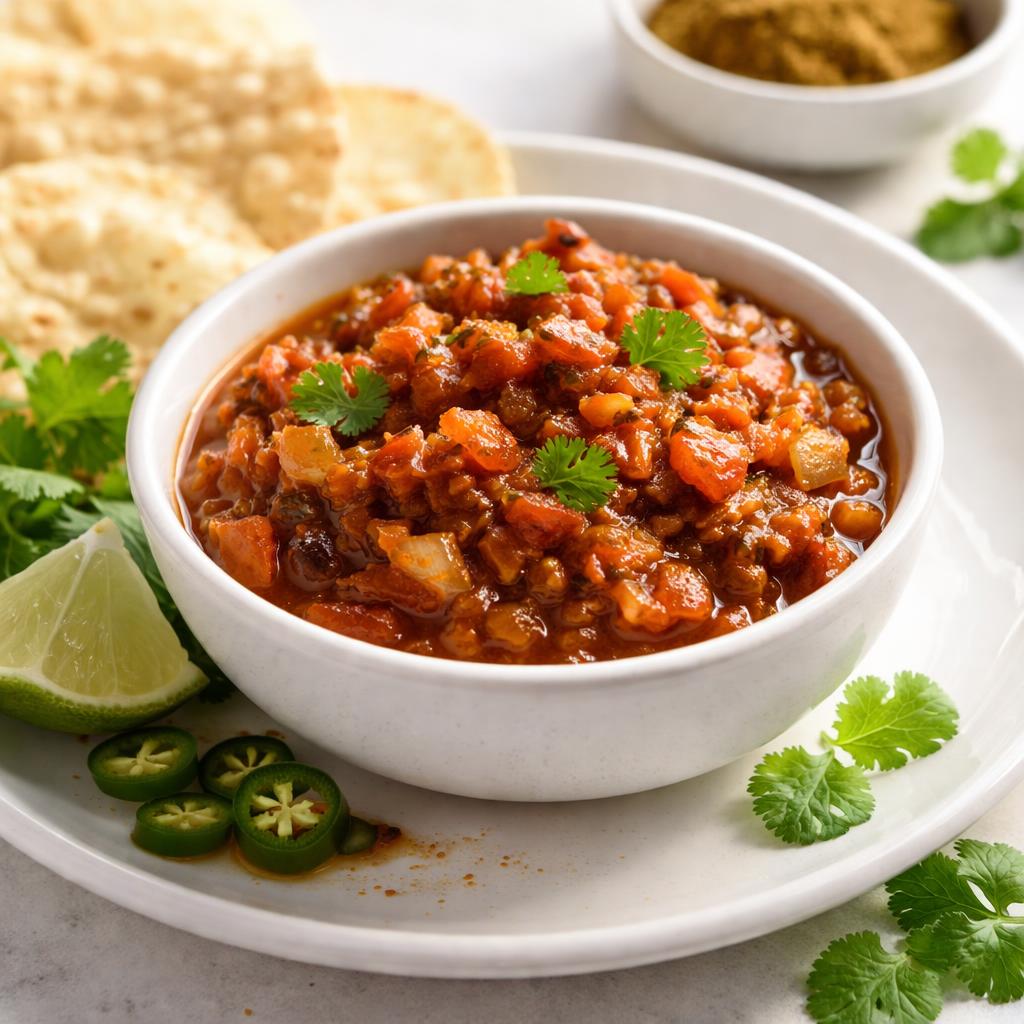
Chutney
🎯 Quick Verdict
White rice and chutney serve completely different roles in a diet. White rice is higher in calories, protein, and carbs, making it a great energy source. Chutney, on the other hand, is lower in calories but higher in fiber and micronutrients due to its inclusion of fruits, vegetables, and spices. Choose white rice for energy and chutney for flavor enhancement and added nutrients.

Smart Nutrition Tracking with SnapCalorie

📊 Nutritional Comparison
Macronutrients
| Nutrient | Food 1 | Food 2 | Winner |
|---|---|---|---|
| Calories | 206 (per 1 cup cooked) | 60 (per 2 tbsp) | ✓ |
| Protein | 4.25g | 0.5g | ✓ |
| Carbs | 44g | 13g | ✓ |
| Fat | 0.4g | 1g | ✓ |
| Fiber | 0.6g | 2g | ✓ |
Vitamins & Minerals
| Nutrient | Food 1 | Food 2 | Winner |
|---|---|---|---|
| Vitamin C | 0mg | 5mg (8% DV) | ✓ |
| Calcium | 14mg | 20mg | ✓ |
| Iron | 0.3mg | 0.6mg | ✓ |
🏆 Category Winners
Protein
White rice contains significantly more protein per serving than chutney.
Fiber
Chutney has over 3x more fiber than white rice, supporting digestion.
Calories
Chutney is lower in calories, making it a better fit for low-calorie diets.
Vitamins
Chutney contains more vitamin C and other micronutrients than white rice.
🥗 Diet Compatibility
Keto
Food 1: Not Compatible
Food 2: Compatible
Chutney is generally low-carb depending on ingredients.
Vegan
Food 1: Compatible
Food 2: Compatible
Both foods are plant-based and suitable for vegans.
Gluten Free
Food 1: Compatible
Food 2: Compatible
Neither food contains gluten.
Paleo
Food 1: Not Compatible
Food 2: Compatible
Chutney aligns with paleo guidelines when made with natural ingredients.
Low Carb
Food 1: Not Compatible
Food 2: Compatible
White rice is high in carbs, while chutney is typically low-carb.
💪 Health Benefits Comparison
Food 1 Benefits
- Provides a quick source of energy due to high carbohydrate content.
- Easy to digest, making it suitable for sensitive stomachs.
- Low in fat and sodium, fitting well into balanced diets.
Food 2 Benefits
- Rich in antioxidants depending on its ingredients (e.g., herbs and fruits).
- High in fiber, supporting gut health and digestion.
- Low calorie and nutrient-dense; enhances flavor without adding significant calories.
✅ The Bottom Line
White rice is a staple, energy-dense food ideal for post-workout recovery or as part of a high-carb diet. Chutney, on the other hand, is a condiment that enhances meals with flavor and micronutrients, and is also lower in calories and carbs. Depending on your dietary needs, both foods have distinct advantages.
Choose Food 1 for: Energy boost, post-workout recovery, simple meals
Choose Food 2 for: Low-calorie diets, adding flavor, improving digestion


