White Rice VS Chocolate Oatmeal
A detailed nutritional comparison
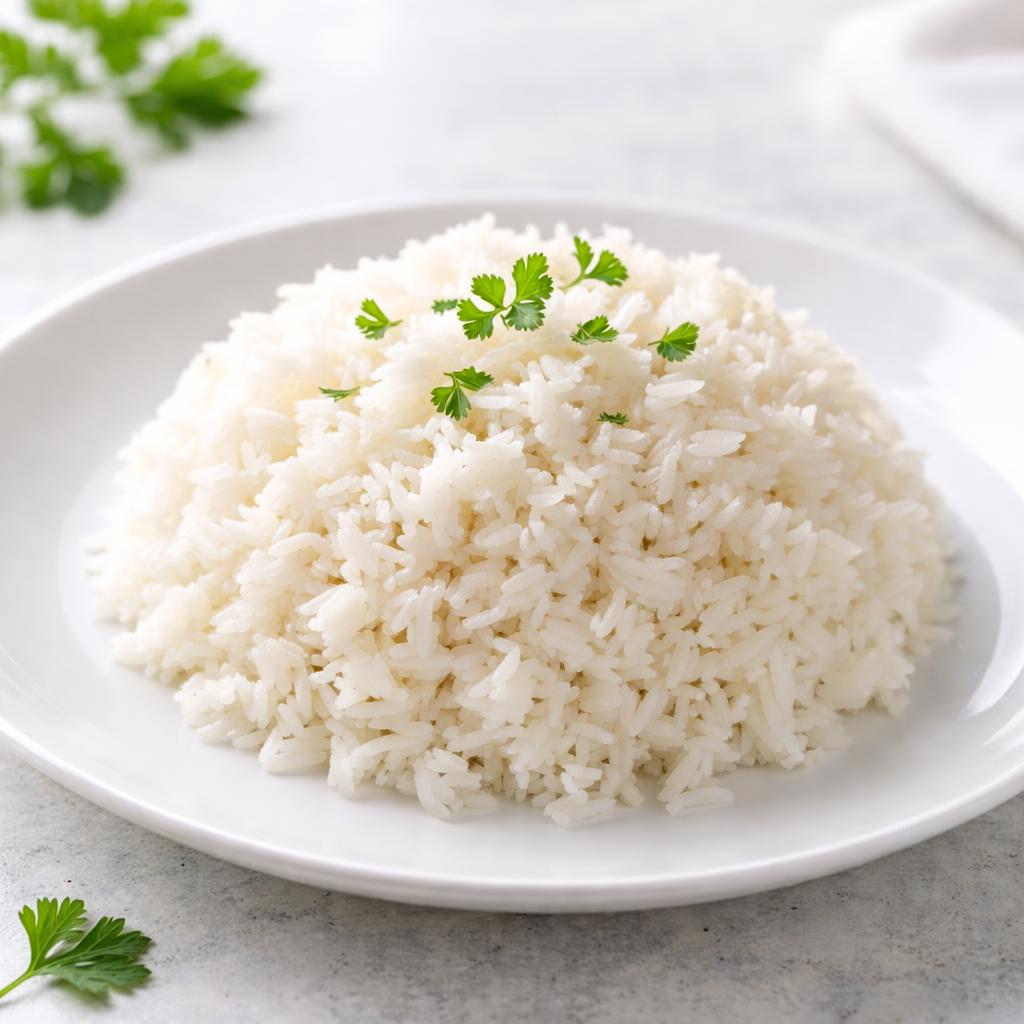
White Rice
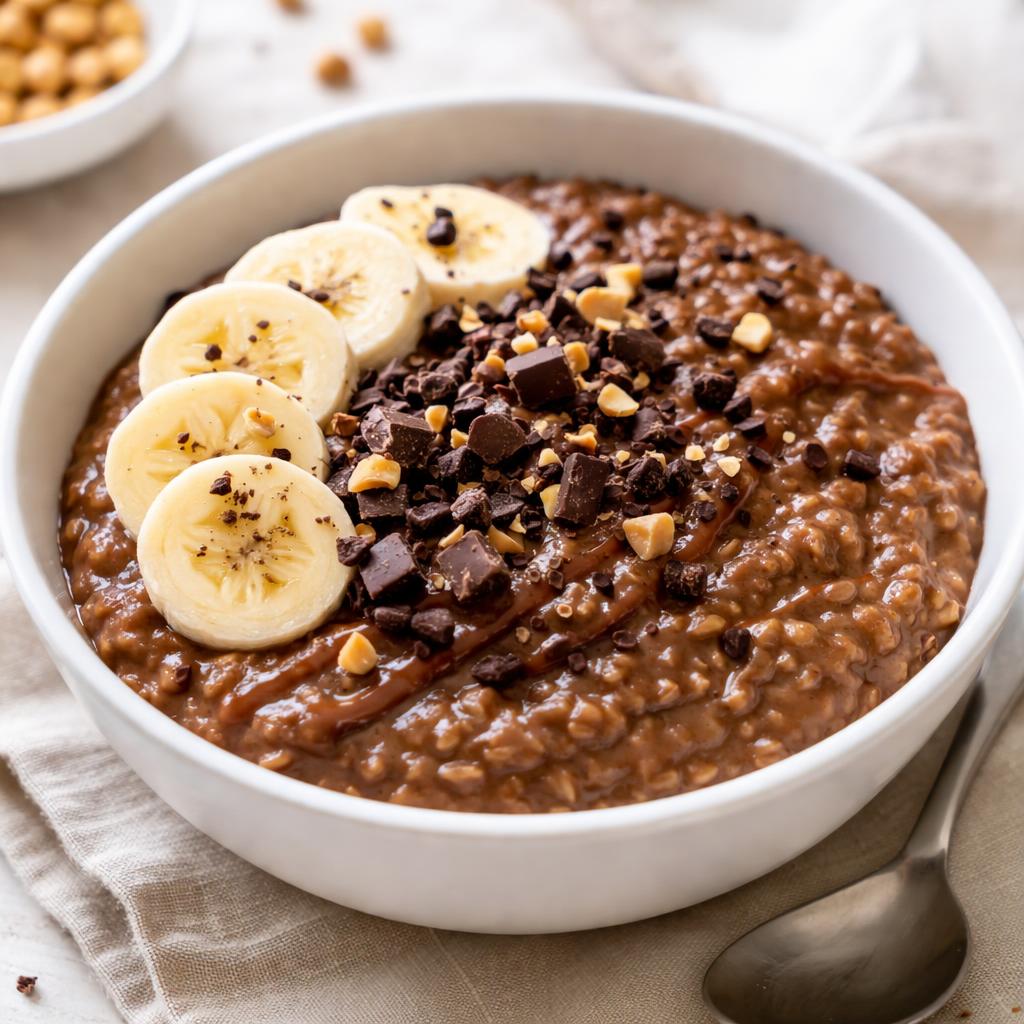
Chocolate Oatmeal
🎯 Quick Verdict
Chocolate oatmeal is nutritionally superior to white rice, offering more protein, fiber, and beneficial micronutrients. White rice, however, is lower in calories and simpler in composition, making it a better option for low-fat or low-calorie meals. Chocolate oatmeal is ideal for energy, satiety, and nutrient-dense snacking, while white rice suits basic, low-calorie meals or recipes requiring neutral starch bases.

Smart Nutrition Tracking with SnapCalorie

📊 Nutritional Comparison
Macronutrients
| Nutrient | Food 1 | Food 2 | Winner |
|---|---|---|---|
| Calories | 205 (1 cup cooked) | 180 (1 cup cooked) | ✓ |
| Protein | 4g | 6g | ✓ |
| Carbs | 45g | 32g | ✓ |
| Fat | 0.4g | 5g | ✓ |
| Fiber | 0.6g | 4g | ✓ |
Vitamins & Minerals
| Nutrient | Food 1 | Food 2 | Winner |
|---|---|---|---|
| Vitamin D | 0mcg | 0mcg | − |
| Calcium | 10mg | 50mg | ✓ |
| Iron | 0.2mg | 2mg | ✓ |
🏆 Category Winners
Protein
Chocolate oatmeal has 50% more protein than white rice per serving.
Fiber
Chocolate oatmeal offers nearly 6x more fiber than white rice.
Calories
White rice is marginally lower in calories per serving.
Vitamins
Chocolate oatmeal contains significantly more calcium and iron than white rice.
🥗 Diet Compatibility
Keto
Food 1: Not Compatible
Food 2: Not Compatible
Both are too high in carbohydrates for a standard ketogenic diet.
Vegan
Food 1: Compatible
Food 2: Compatible
Both foods are plant-based and free of animal products.
Gluten Free
Food 1: Compatible
Food 2: Depends on preparation
White rice is naturally gluten-free. Chocolate oatmeal may contain gluten unless using certified gluten-free oats.
Paleo
Food 1: Not Compatible
Food 2: Not Compatible
Both foods conflict with paleo principles due to being processed or grain-based.
Low-Carb
Food 1: Not Compatible
Food 2: Not Compatible
Both are carb-heavy, exceeding low-carb diet guidelines.
💪 Health Benefits Comparison
Food 1 Benefits
- Quick and easily digestible source of carbs for energy.
- Low in fat and ideal for low-calorie eating plans.
- Basic grain option for pairing with nutritionally dense foods.
Food 2 Benefits
- High in fiber for improved digestion and satiety.
- Provides protein for muscle repair and maintenance.
- Rich in iron and calcium for bone and blood health.
✅ The Bottom Line
White rice is a simple, low-calorie option suitable for neutral starch bases or light meals. Chocolate oatmeal delivers superior nutrition—higher protein, fiber, and vitamins—making it a better choice for filling, energy-packed snacks or breakfasts. Choose white rice for lower-calorie diets or minimal preparation, and chocolate oatmeal for nutrient density and balanced meals.
Choose Food 1 for: Low-calorie meals, simple carbohydrate source, pairing with nutrient-packed toppings
Choose Food 2 for: High-energy breakfasts, snacking, nutrient-dense diets


