White Rice VS Cheese Wedge
A detailed nutritional comparison
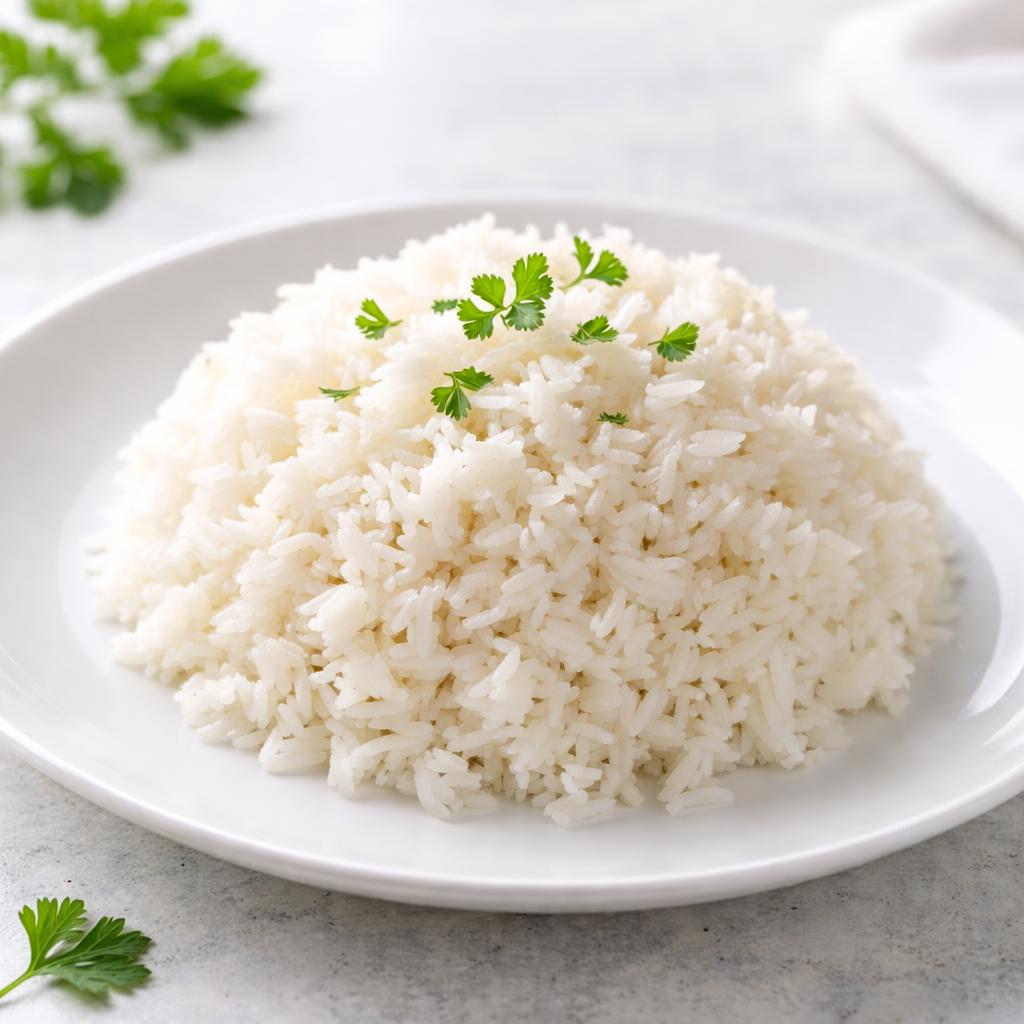
White Rice
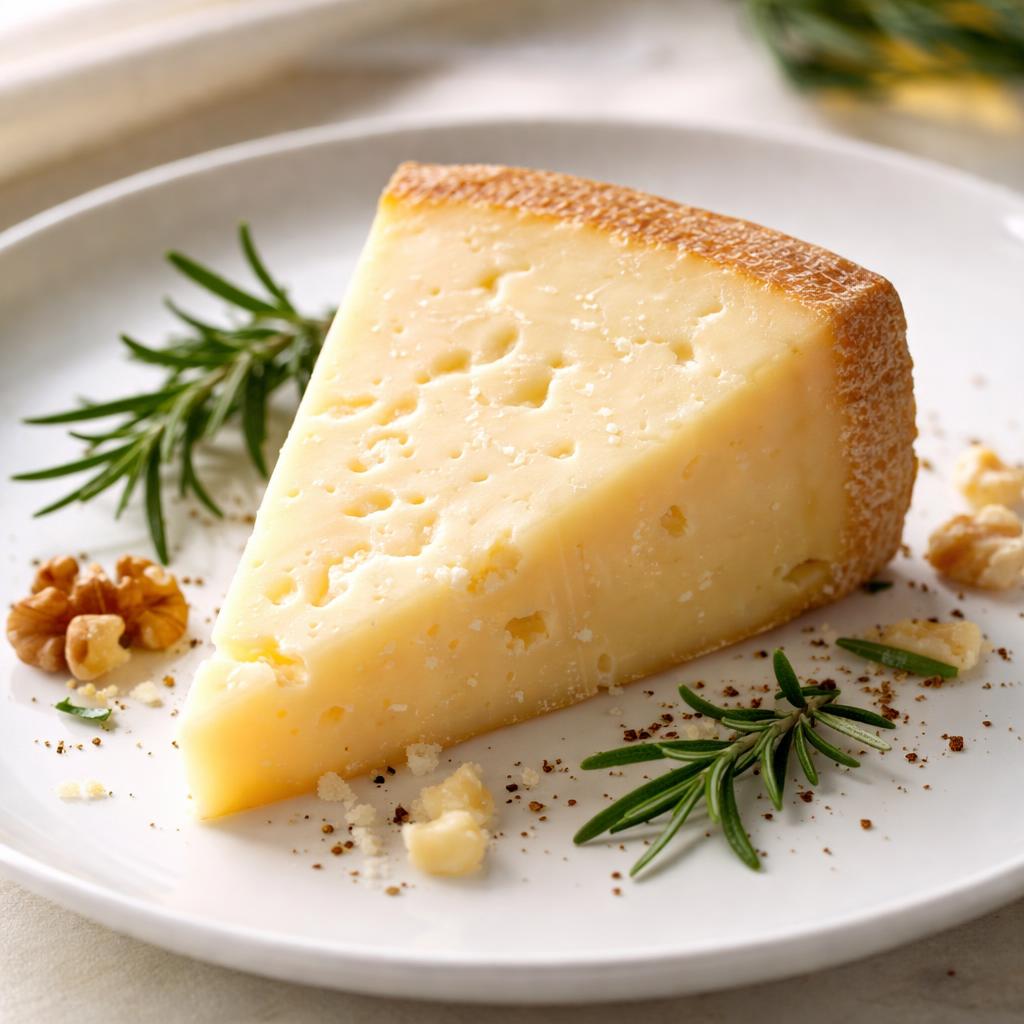
Cheese Wedge
🎯 Quick Verdict
White rice and cheese wedges offer very different nutritional profiles. White rice is higher in carbohydrates and fiber but lacks protein and fats, making it suitable for energy-demanding situations. Cheese wedges are rich in protein, fats, and calcium but can be calorie-dense and low in fiber, making them better for keto or high-fat diets.

Smart Nutrition Tracking with SnapCalorie

📊 Nutritional Comparison
Macronutrients
| Nutrient | Food 1 | Food 2 | Winner |
|---|---|---|---|
| Calories | 205 | 70 | ✓ |
| Protein | 4.3g | 5g | ✓ |
| Carbs | 44.5g | 1g | ✓ |
| Fat | 0.4g | 4.5g | ✓ |
| Fiber | 0.6g | 0g | ✓ |
Vitamins & Minerals
| Nutrient | Food 1 | Food 2 | Winner |
|---|---|---|---|
| Vitamin D | 0mcg | 0.5mcg | ✓ |
| Calcium | 10mg | 100mg | ✓ |
| Iron | 0.32mg | 0.1mg | ✓ |
🏆 Category Winners
Protein
Cheese wedge has slightly more protein per serving than white rice.
Fiber
White rice contains 0.6g fiber compared to none in cheese wedge.
Calories
Cheese wedge contains significantly fewer calories compared to white rice.
🥗 Diet Compatibility
Keto
Food 1: Not Compatible
Food 2: Compatible
Cheese wedges are low-carb and high-fat, ideal for keto diets.
Vegan
Food 1: Compatible
Food 2: Not Compatible
White rice is plant-based, while cheese is a dairy product.
Gluten Free
Food 1: Compatible
Food 2: Compatible
Neither food contains gluten.
Paleo
Food 1: Compatible
Food 2: Not Compatible
White rice aligns with modified paleo diets, while cheese is not typically considered paleo.
Low-Carb
Food 1: Not Compatible
Food 2: Compatible
Cheese wedges are low in carbs, whereas white rice is significantly higher in carbohydrates.
💪 Health Benefits Comparison
Food 1 Benefits
- Good source of quick-digesting energy from carbohydrates
- Low in fat, suitable for low-fat diets
- Iron content supports healthy oxygen transport
Food 2 Benefits
- Rich in protein for muscle maintenance and repair
- High in calcium for bone health
- Contains healthy fats important for hormone balance
✅ The Bottom Line
White rice is best for energy needs, especially pre- or post-physical activity, due to its high carbohydrate content. Cheese wedges are better for low-carb, keto, or high-fat diets involving weight maintenance or protein-rich snacks.
Choose Food 1 for: High-energy meals, carb refueling, vegan diets
Choose Food 2 for: Keto diets, calcium-rich snacks, low-carb protein sources


