White Rice VS Chawanmushi
A detailed nutritional comparison
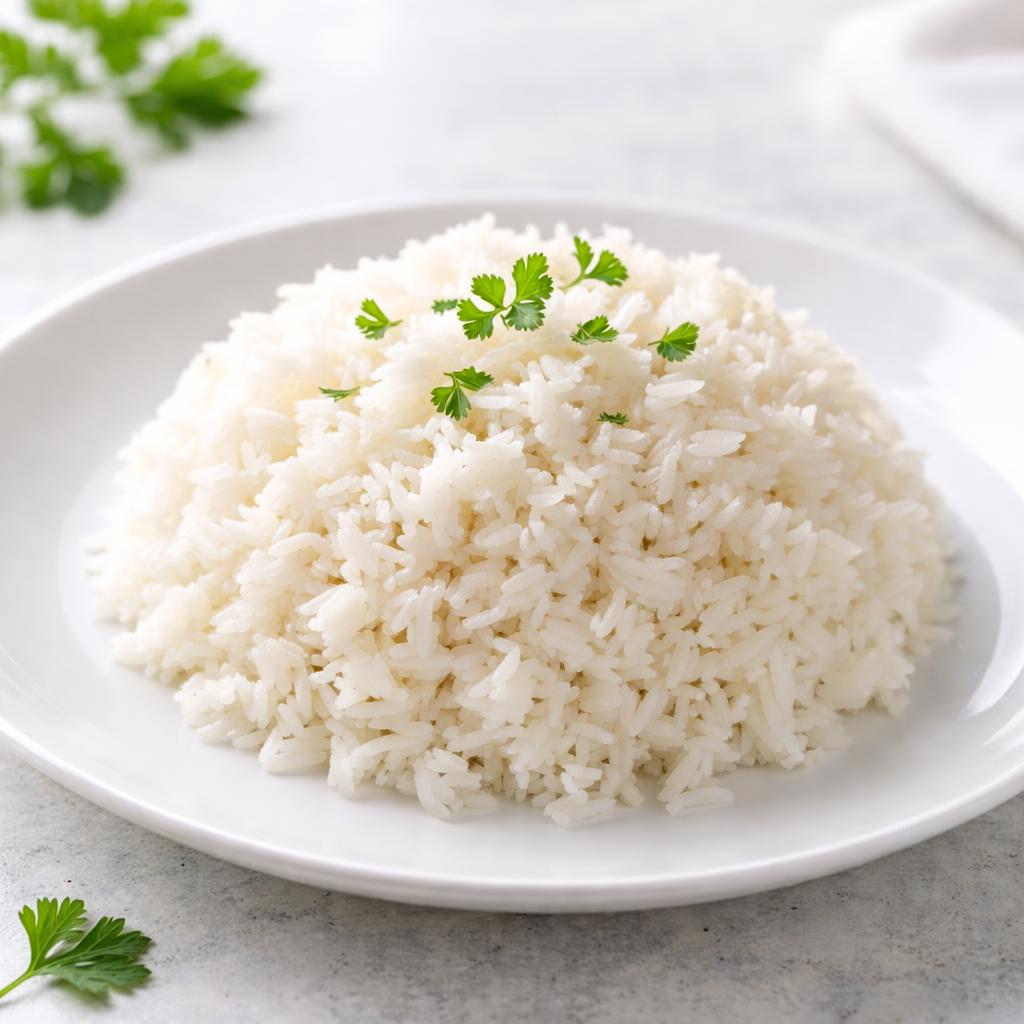
White Rice
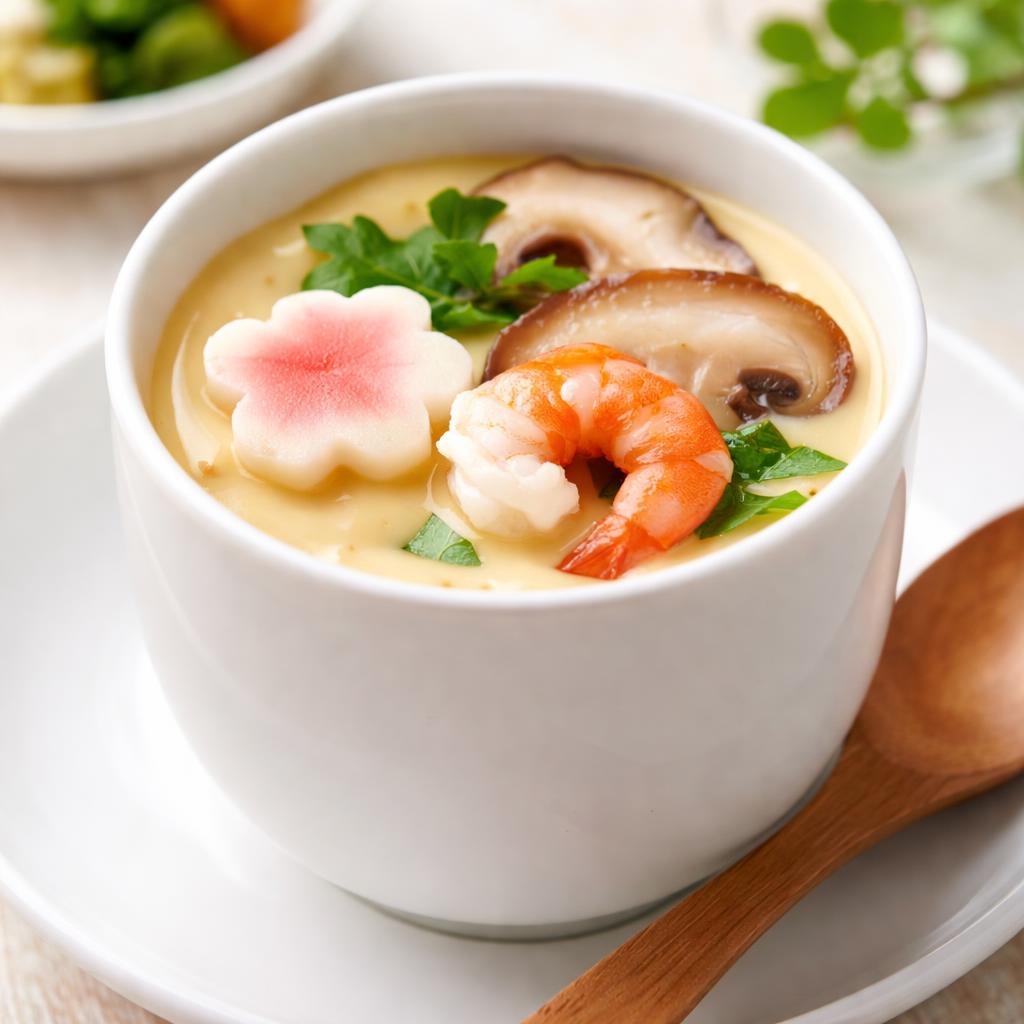
Chawanmushi
🎯 Quick Verdict
Chawanmushi is a nutrient-dense Japanese egg custard, higher in protein, vitamins, and minerals compared to white rice, while being moderately lower in carbs. On the other hand, white rice is a quick source of energy with fewer calories per serving, but it lacks substantial protein or micronutrients. Choose chawanmushi for a more balanced, filling option and white rice if you need simple carbs for energy replenishment in a low-calorie context.

Smart Nutrition Tracking with SnapCalorie

📊 Nutritional Comparison
Macronutrients
| Nutrient | Food 1 | Food 2 | Winner |
|---|---|---|---|
| Calories | 130 | 160 | ✓ |
| Protein | 2g | 9g | ✓ |
| Carbs | 28g | 6g | ✓ |
| Fat | 0g | 6g | ✓ |
| Fiber | 0g | 0g | − |
Vitamins & Minerals
| Nutrient | Food 1 | Food 2 | Winner |
|---|---|---|---|
| Vitamin D | 0mcg | 2mcg | ✓ |
| Calcium | 10mg | 141mg | ✓ |
| Iron | 0.2mg | 1.5mg | ✓ |
🏆 Category Winners
Protein
Chawanmushi has over 4 times more protein per serving than white rice.
Fiber
Neither white rice nor chawanmushi provides significant fiber.
Calories
White rice has fewer calories per serving than chawanmushi.
Vitamins
Chawanmushi provides notable Vitamin D, calcium, and iron while white rice does not.
🥗 Diet Compatibility
Keto
Food 1: Not Compatible
Food 2: Compatible
White rice is high in carbs, whereas chawanmushi is low-carb.
Vegan
Food 1: Compatible
Food 2: Not Compatible
White rice is plant-based, but chawanmushi contains eggs.
Gluten Free
Food 1: Compatible
Food 2: Compatible
Neither white rice nor chawanmushi contains gluten.
Paleo
Food 1: Not Compatible
Food 2: Compatible
White rice is not accepted in paleo diets, but chawanmushi is made from whole foods like eggs and broth.
Low-Carb
Food 1: Not Compatible
Food 2: Compatible
White rice is high in carbs, whereas chawanmushi is low-carb, with just 6g per serving.
💪 Health Benefits Comparison
Food 1 Benefits
- Quick source of energy due to high carbohydrate content
- Low in fat, suitable for fat-restricted diets
- Easy to digest, useful for sensitive stomachs or recovery meals
Food 2 Benefits
- High in protein for muscle repair and maintenance
- Contains Vitamin D for bone health and immune support
- Rich in calcium and iron, supporting strong bones and red blood cell production
- Low-carb option for blood sugar management
✅ The Bottom Line
Choose chawanmushi if you want a nutrient-dense, protein-rich dish with vitamins and minerals, ideal for balanced meals or low-carb diets. Select white rice when you need a quick source of carbs for energy or a calorie-controlled option. These foods can complement each other in a balanced diet.
Choose Food 1 for: Quick energy, low-fat diets, easy digestion
Choose Food 2 for: High-protein meals, nutrient density, low-carb or keto diets


