White Rice VS Butter Sauce
A detailed nutritional comparison
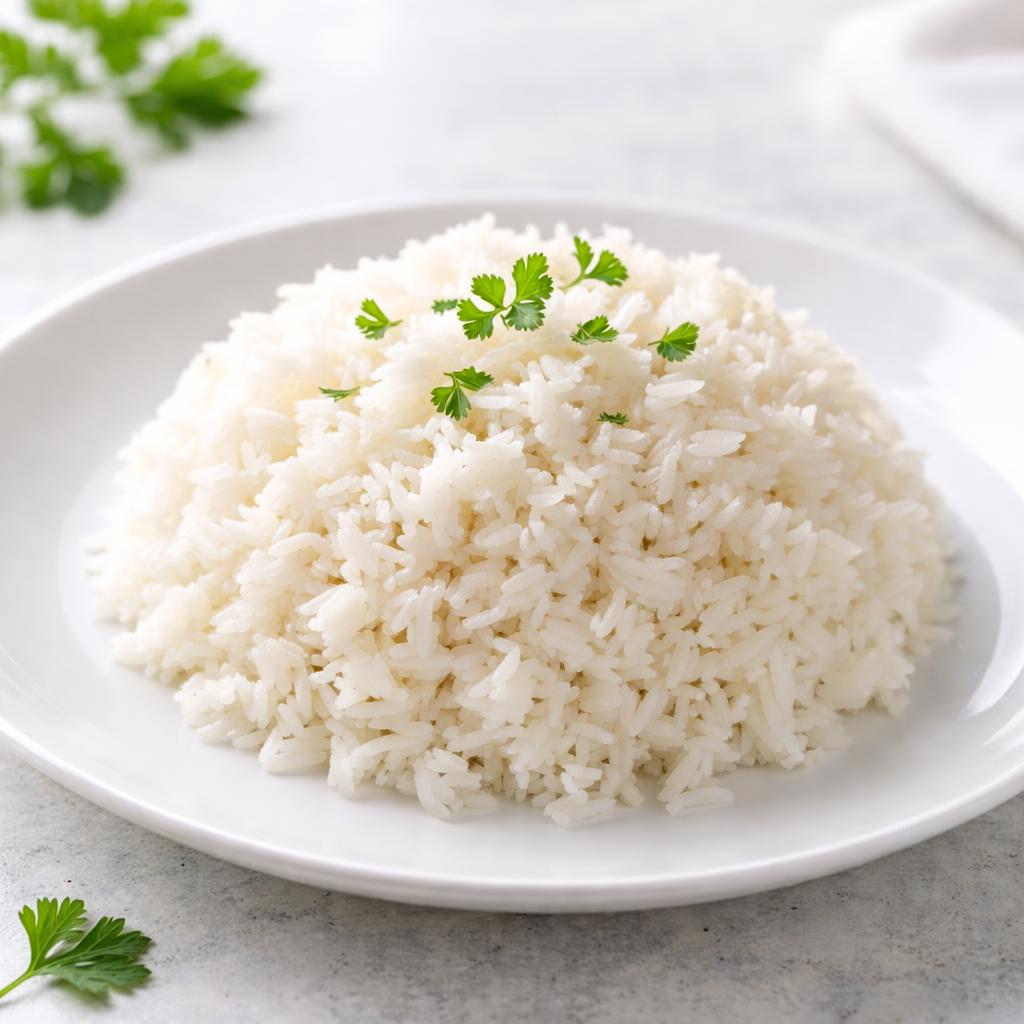
White Rice
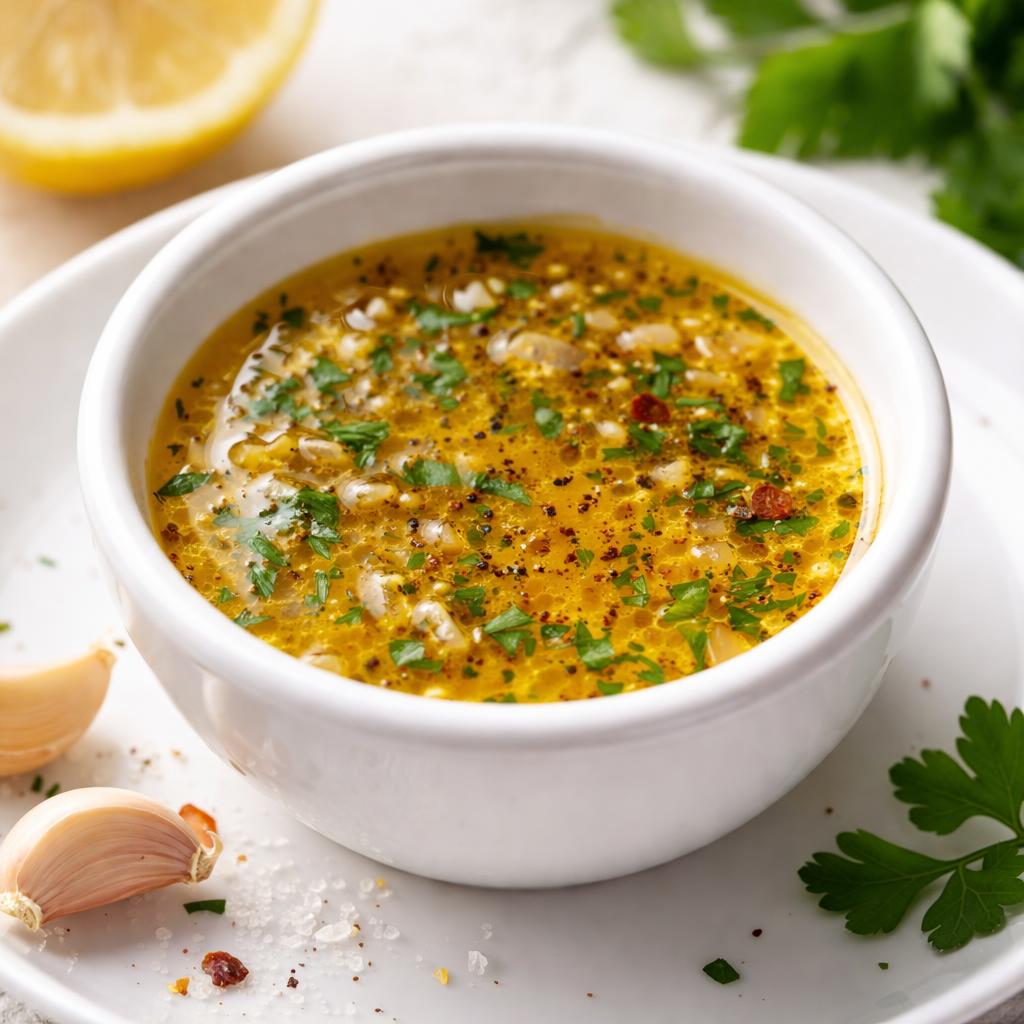
Butter Sauce
🎯 Quick Verdict
White rice and butter sauce serve very different roles in a diet. White rice is a carbohydrate-rich food with low fat and a modest amount of protein and fiber, whereas butter sauce primarily offers fats and is calorie-dense with negligible protein or fiber. White rice is better suited for energy and digestion, while butter sauce can add flavor and healthy fats when consumed moderately.

Smart Nutrition Tracking with SnapCalorie

📊 Nutritional Comparison
Macronutrients
| Nutrient | Food 1 | Food 2 | Winner |
|---|---|---|---|
| Calories | 130 | 100 | ✓ |
| Protein | 2.7g | 0g | ✓ |
| Carbs | 28.2g | 0g | ✓ |
| Fat | 0.3g | 9g | ✓ |
| Fiber | 0.4g | 0g | ✓ |
Vitamins & Minerals
| Nutrient | Food 1 | Food 2 | Winner |
|---|---|---|---|
| Vitamin D | 0mcg | 0.5mcg | ✓ |
| Calcium | 10mg | 5mg | ✓ |
| Iron | 0.2mg | 0mg | ✓ |
🏆 Category Winners
Protein
White rice contains 2.7g of protein while butter sauce has 0g.
Fiber
White rice offers some fiber (0.4g) compared to none in butter sauce.
Calories
Butter sauce is lower in calories for the same serving size.
Vitamins
White rice offers slightly better calcium and iron contents.
🥗 Diet Compatibility
Keto
Food 1: Not Compatible
Food 2: Compatible
Butter sauce is high-fat and low-carb, while white rice is carb-heavy.
Vegan
Food 1: Compatible
Food 2: Not Compatible
White rice is plant-based, but butter sauce usually contains dairy.
Gluten Free
Food 1: Compatible
Food 2: Compatible
Neither food contains gluten.
Paleo
Food 1: Compatible
Food 2: Partially Compatible
White rice can fit paleo diets depending on personal choice, while butter sauce may not due to processed ingredients.
Low-Carb
Food 1: Not Compatible
Food 2: Compatible
White rice is high in carbohydrates, whereas butter sauce contains none.
💪 Health Benefits Comparison
Food 1 Benefits
- Provides quick energy from carbohydrates.
- Low in fat, making it suitable for low-fat diets.
- Contains small amounts of protein and fiber for satiety.
Food 2 Benefits
- High in healthy fats when made with quality butter.
- Low in carbohydrates, suitable for keto and low-carb diets.
- Contains small amounts of vitamin D for bone health.
✅ The Bottom Line
White rice and butter sauce complement each other in meals but have differing nutritional profiles. Choose white rice for clean energy and fuller meals, and butter sauce for added flavor and healthy fats in moderation. Avoid pairing if dietary goals conflict with high-carb and calorie-dense combinations.
Choose Food 1 for: Energy boost, muscle recovery, easy digestion
Choose Food 2 for: Keto recipes, healthy fat sources, flavor enhancement


