White Rice VS Burger Bun
A detailed nutritional comparison
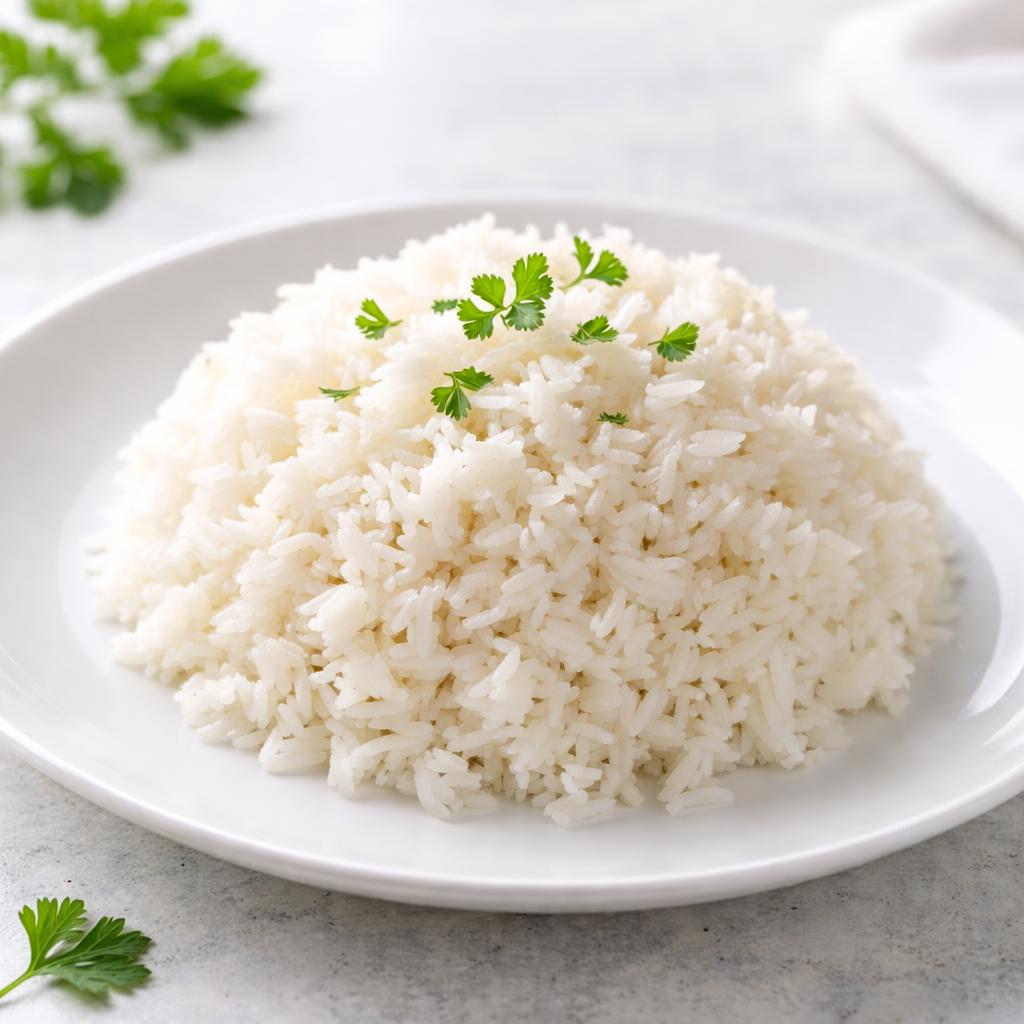
White Rice

Burger Bun
🎯 Quick Verdict
White rice and burger buns serve different dietary purposes. White rice is lower in calories and fat but offers fewer nutrients overall, while burger buns provide more protein, fiber, and some vitamins such as iron. White rice is ideal for those needing a quick energy source, whereas burger buns add more nutritional variety to meals without being overly calorie-dense.

Smart Nutrition Tracking with SnapCalorie

📊 Nutritional Comparison
Macronutrients
| Nutrient | Food 1 | Food 2 | Winner |
|---|---|---|---|
| Calories | 130 per 1/2 cup cooked | 140 per single bun | − |
| Protein | 2.7g | 5g | − |
| Carbs | 28g | 25g | − |
| Fat | 0.3g | 2g | − |
| Fiber | 0.4g | 1g | − |
Vitamins & Minerals
| Nutrient | Food 1 | Food 2 | Winner |
|---|---|---|---|
| Vitamin D | 0mcg | 0mcg | − |
| Calcium | 10mg | 70mg | − |
| Iron | 0.2mg | 1.2mg | − |
🏆 Category Winners
Protein
Burger bun contains almost twice the protein of white rice.
Fiber
Burger bun provides more than double the fiber.
Calories
White rice has slightly fewer calories per serving.
🥗 Diet Compatibility
Keto
Food 1: Not Compatible
Food 2: Not Compatible
Both are high-carb foods.
Vegan
Food 1: Compatible
Food 2: Compatible
Both are plant-based foods.
Gluten Free
Food 1: Compatible
Food 2: Not Compatible
Burger bun contains gluten unless specified as gluten-free.
Paleo
Food 1: Not Compatible
Food 2: Not Compatible
Both contain grains, which are not paleo-friendly.
Low-Carb
Food 1: Not Compatible
Food 2: Not Compatible
Both foods are high in carbohydrates per serving.
💪 Health Benefits Comparison
Food 1 Benefits
- Excellent source of quick-digesting energy
- Low in fat, suitable for low-fat diets
- Easily digestible, ideal for sensitive stomachs
Food 2 Benefits
- Provides moderate protein for satiety
- Contains fiber for better digestion
- Offers iron and calcium for bone health and oxygen transport
✅ The Bottom Line
Choose white rice for a lower-calorie, fat-free option and instant energy, especially for physically active lifestyles or post-workout recovery. Opt for burger buns if you want more protein and fiber, along with additional vitamins and minerals, suitable for balanced meals or as part of a sandwich-based diet.
Choose Food 1 for: Quick energy, easy digestion, low-fat diets
Choose Food 2 for: Balanced meals, nutrient variety, sandwich ingredients


