White Rice VS Bruschetta
A detailed nutritional comparison
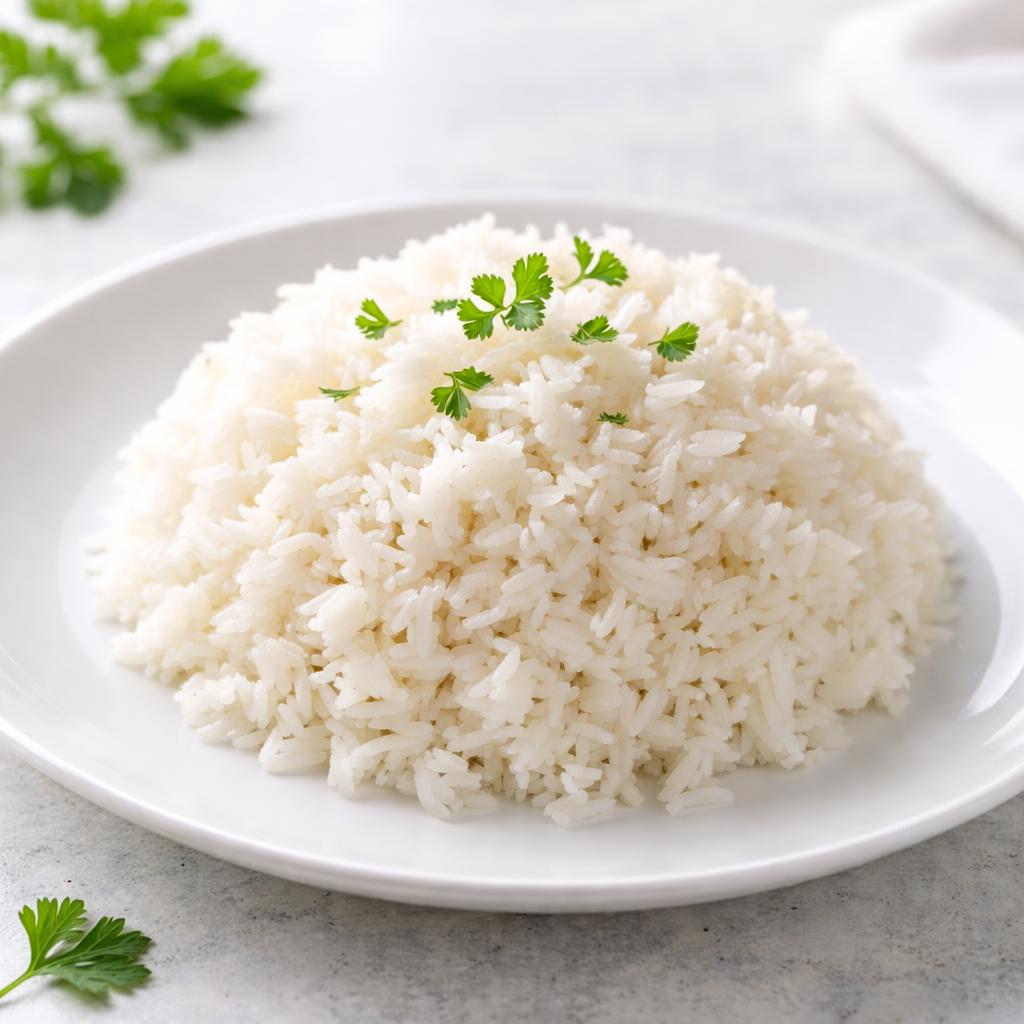
White Rice
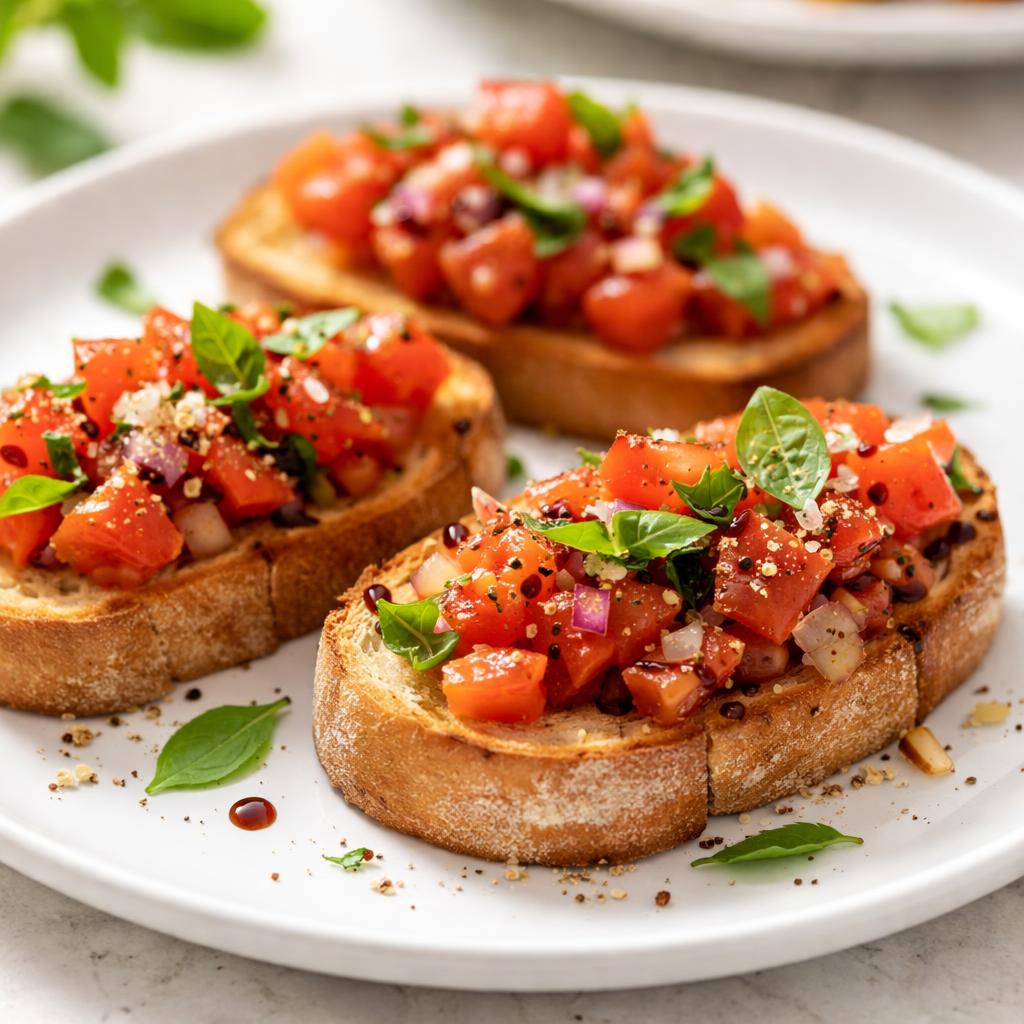
Bruschetta
🎯 Quick Verdict
Bruschetta offers more protein, fiber, and vitamins per serving compared to plain white rice, making it more nutrient-dense overall. White rice is lower in calories and carbohydrates, ideal for simpler energy needs or lighter meals. Choose bruschetta for flavor and nutritional variety, and white rice for a low-calorie, easy-to-digest option.

Smart Nutrition Tracking with SnapCalorie

📊 Nutritional Comparison
Macronutrients
| Nutrient | Food 1 | Food 2 | Winner |
|---|---|---|---|
| Calories | 130 | 160 | ✓ |
| Protein | 2.7g | 5g | ✓ |
| Carbs | 28g | 22g | ✓ |
| Fat | 0.3g | 7g | ✓ |
| Fiber | 0.4g | 2g | ✓ |
Vitamins & Minerals
| Nutrient | Food 1 | Food 2 | Winner |
|---|---|---|---|
| Vitamin C | 0mg | 5mg | ✓ |
| Vitamin A | 0mcg | 100mcg | ✓ |
| Iron | 1mg | 1.5mg | ✓ |
🏆 Category Winners
Protein
Bruschetta contains nearly double the protein of white rice.
Fiber
Bruschetta has 5x more fiber, supporting digestion.
Calories
White rice is 30 calories lower per serving.
Vitamins
Bruschetta provides vitamins C and A, which white rice lacks.
🥗 Diet Compatibility
Keto
Food 1: Not Compatible
Food 2: Not Compatible
Both are too high in carbohydrates for keto diets.
Vegan
Food 1: Compatible
Food 2: Compatible
Both are plant-based foods without animal products.
Gluten Free
Food 1: Compatible
Food 2: Not Compatible
Bruschetta often contains bread, which is usually not gluten-free.
Paleo
Food 1: Not Compatible
Food 2: Not Compatible
Neither fits strict paleo due to grains and bread.
Low Carb
Food 1: Not Compatible
Food 2: Not Compatible
Both are too carb-heavy for low-carb diets.
💪 Health Benefits Comparison
Food 1 Benefits
- Low-calorie option for weight management
- Easy to digest, useful for sensitive stomachs
- Provides quick energy from carbohydrates
Food 2 Benefits
- Rich in antioxidants from ingredients like tomatoes
- Good source of fiber for gut health
- Contains healthy fats from olive oil for heart health
- Offers vitamins C and A for immune and eye health
✅ The Bottom Line
Bruschetta is the better choice nutritionally due to its higher protein, fiber, and vitamin content, ideal for more balanced meals or nutrient-dense snacking. White rice is simpler, lower-calorie, and easier to digest, suitable for energy-focused or lighter meals. Choose bruschetta for variety and nutrient density, and white rice for simpler meals or pairing with protein-rich dishes.
Choose Food 1 for: Weight management, gentle digestion, pairing with flavorful dishes
Choose Food 2 for: Balanced snacking, nutrient-dense meal sides, heart health


