White Rice VS Black Bean
A detailed nutritional comparison
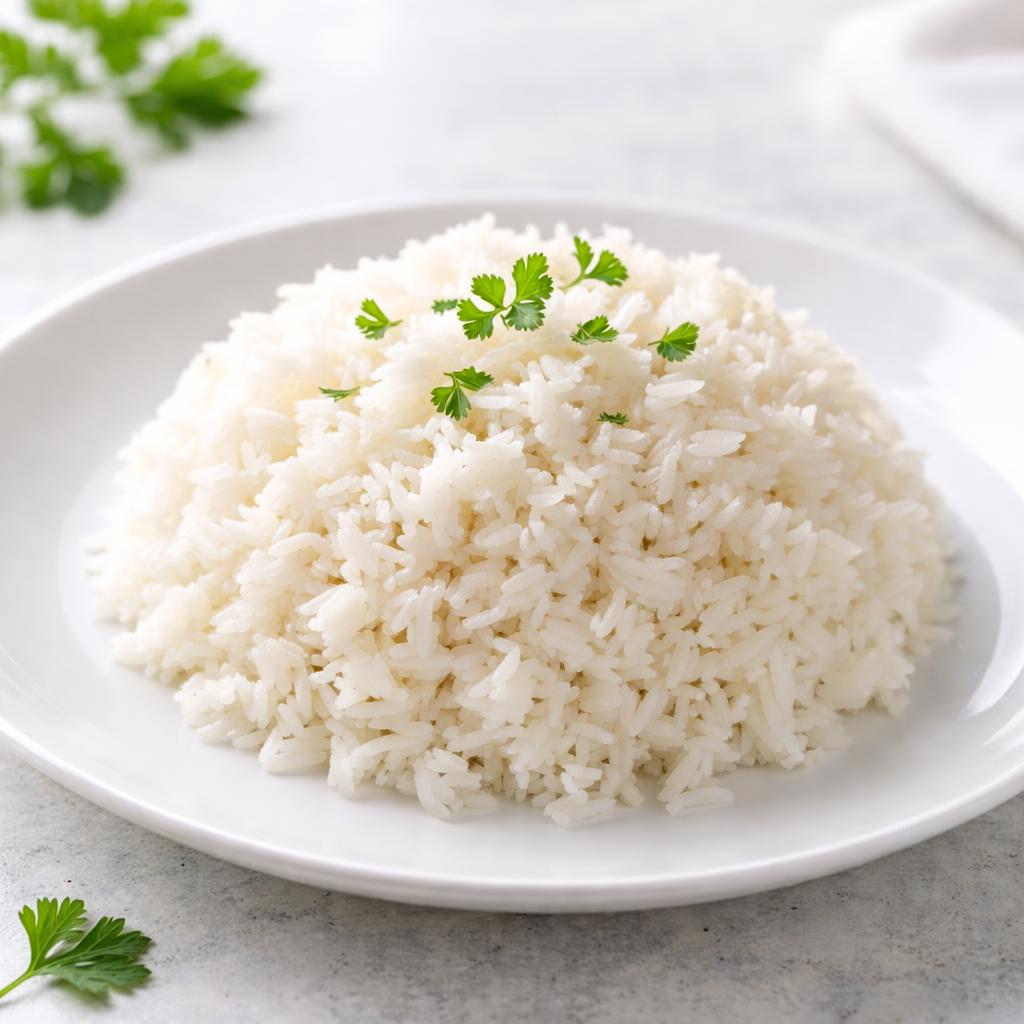
White Rice
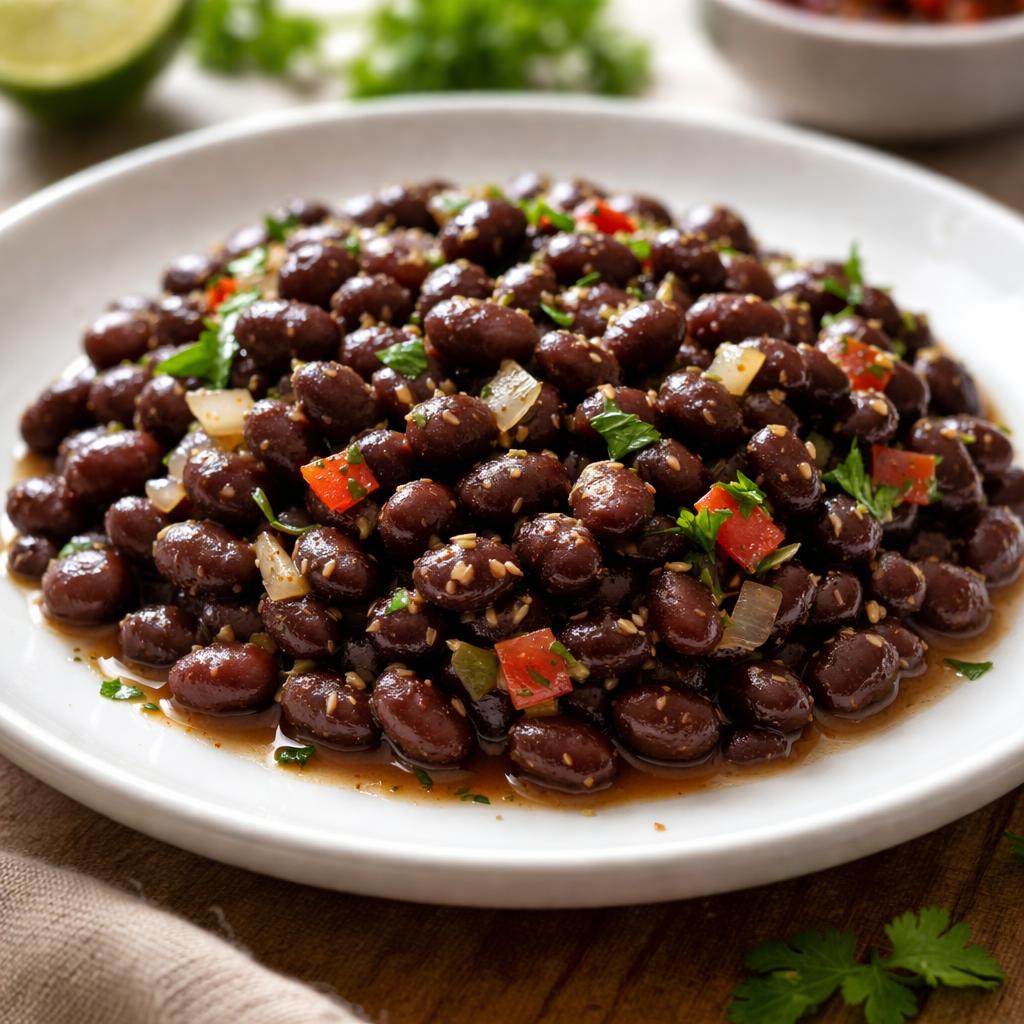
Black Bean
🎯 Quick Verdict
Black beans offer significantly more protein and fiber compared to white rice, making them a better choice for muscle building, digestive health, and overall nutrient density. White rice is a lighter, lower-calorie option, suitable for energy needs during high-intensity activities or when quick digestion is preferred.

Smart Nutrition Tracking with SnapCalorie

📊 Nutritional Comparison
Macronutrients
| Nutrient | Food 1 | Food 2 | Winner |
|---|---|---|---|
| Calories | 130 | 114 | ✓ |
| Protein | 2.7g | 7.6g | ✓ |
| Carbs | 28.2g | 20.4g | ✓ |
| Fat | 0.3g | 0.5g | ✓ |
| Fiber | 0.4g | 6.8g | ✓ |
Vitamins & Minerals
| Nutrient | Food 1 | Food 2 | Winner |
|---|---|---|---|
| Vitamin D | 0mcg | 0mcg | − |
| Calcium | 10mg | 46mg | ✓ |
| Iron | 0.2mg | 1.8mg | ✓ |
🏆 Category Winners
Protein
Black beans provide nearly three times more protein compared to white rice per serving.
Fiber
Black beans contain over 17 times more fiber, benefiting digestive health.
Calories
White rice is slightly lower in calories per serving, ideal for lighter meals or quick energy.
Vitamins
Black beans have significantly higher amounts of calcium and iron compared to white rice.
🥗 Diet Compatibility
Keto
Food 1: Not Compatible
Food 2: Not Compatible
Both foods are carb-rich and not suitable for keto.
Vegan
Food 1: Compatible
Food 2: Compatible
Both are plant-based and vegan-friendly.
Gluten Free
Food 1: Compatible
Food 2: Compatible
Neither food contains gluten.
Paleo
Food 1: Not Compatible
Food 2: Compatible
White rice is excluded from paleo diets, while black beans may be acceptable depending on interpretation of paleo guidelines.
Low-Carb
Food 1: Not Compatible
Food 2: Not Compatible
Both foods have high carbohydrate content per serving.
💪 Health Benefits Comparison
Food 1 Benefits
- Provides quick energy through easily digestible carbs
- Low in fat for lighter meals
- Easy to pair with protein and vegetables in balanced dishes
Food 2 Benefits
- Excellent source of plant-based protein for muscle repair
- Rich in fiber, supporting a healthy gut and satiety
- Contains iron and calcium to promote healthy bones and blood
✅ The Bottom Line
Choose black beans for higher nutrient density, protein, and fiber, ideal for balanced plant-based or muscle-building diets. White rice is best for quick, digestible energy during physical activities or for supporting lighter meals without overwhelming digestion.
Choose Food 1 for: Pre-workout energy, quick digestion, light meals
Choose Food 2 for: Muscle building, digestive health, nutrient-dense diets


