White Rice VS Bamboo Shoots
A detailed nutritional comparison
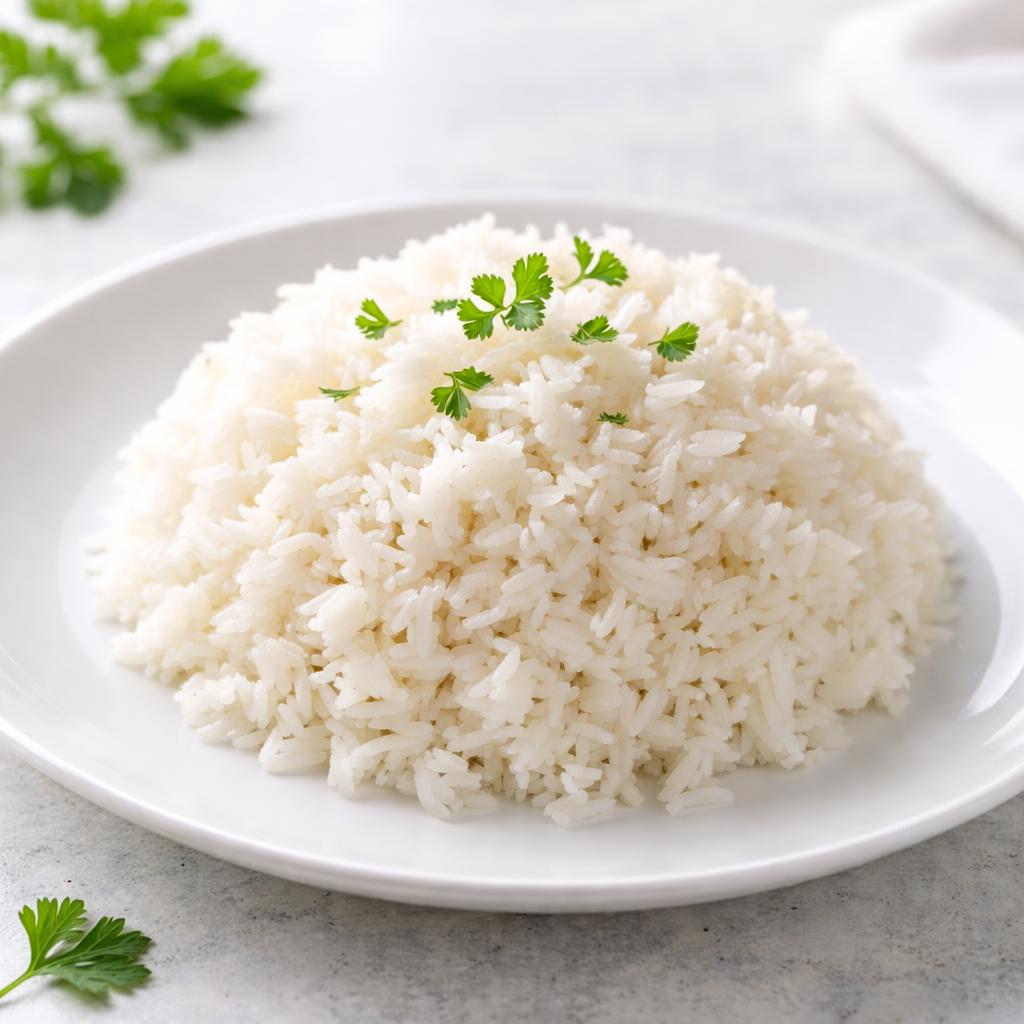
White Rice
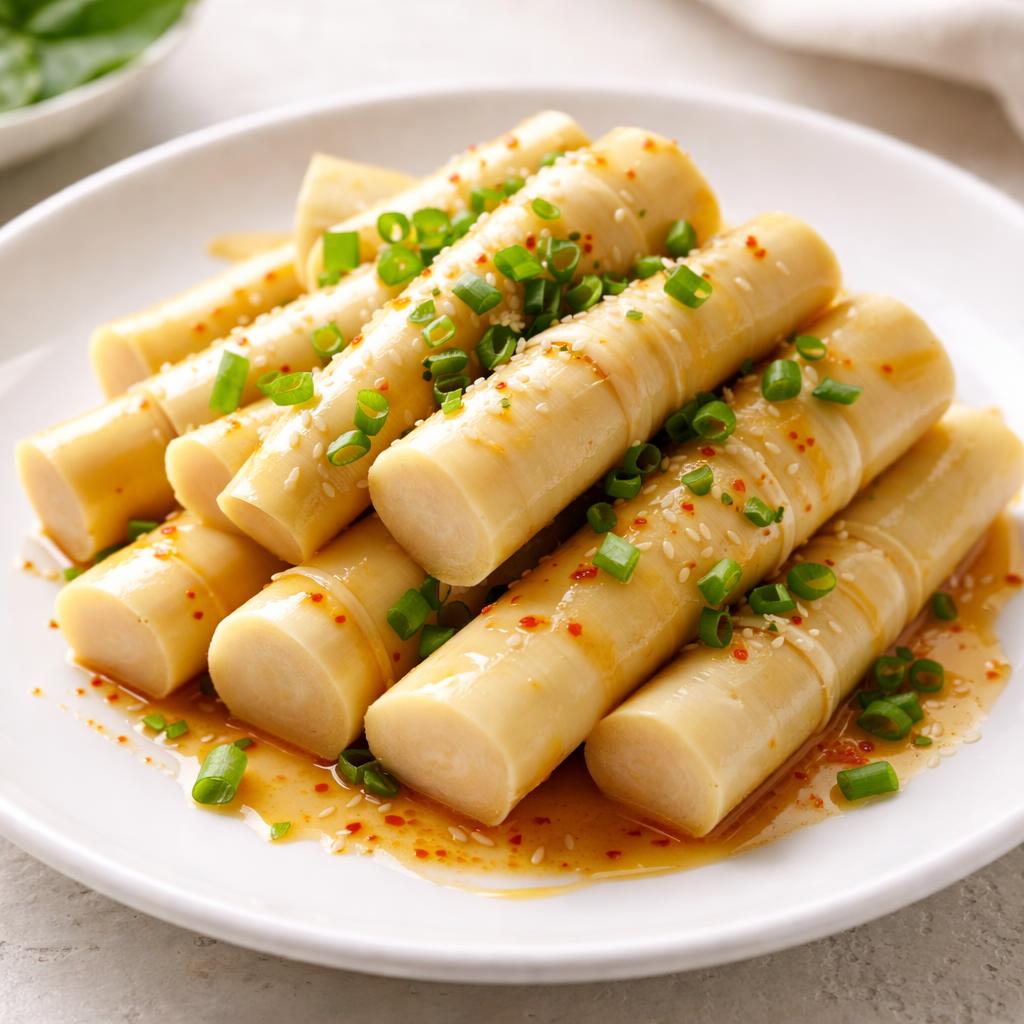
Bamboo Shoots
🎯 Quick Verdict
Bamboo shoots are nutritionally superior to white rice, offering more protein, fiber, and fewer calories per serving. White rice provides a reliable source of energy from carbohydrates but lacks significant micronutrient density. Bamboo shoots are best suited for low-calorie, high-nutrient diets, while white rice works well as a carbohydrate staple for energy needs.

Smart Nutrition Tracking with SnapCalorie

📊 Nutritional Comparison
Macronutrients
| Nutrient | Food 1 | Food 2 | Winner |
|---|---|---|---|
| Calories | 130 | 27 | ✓ |
| Protein | 2.7g | 2.5g | ✓ |
| Carbs | 28.1g | 5.2g | ✓ |
| Fat | 0.3g | 0.2g | ✓ |
| Fiber | 0.4g | 1.8g | ✓ |
Vitamins & Minerals
| Nutrient | Food 1 | Food 2 | Winner |
|---|---|---|---|
| Vitamin C | 0mg | 3.6mg | ✓ |
| Calcium | 10mg | 12mg | ✓ |
| Iron | 0.2mg | 0.5mg | ✓ |
🏆 Category Winners
Protein
White rice has slightly more protein than bamboo shoots, although the difference is minimal.
Fiber
Bamboo shoots provide 4.5 times more fiber than white rice.
Calories
Bamboo shoots are significantly lower in calories, making them ideal for low-calorie diets.
Vitamins
Bamboo shoots contain more vitamins and minerals, including Vitamin C and iron.
🥗 Diet Compatibility
Keto
Food 1: Not Compatible
Food 2: Compatible
Bamboo shoots are low-carb (5.2g per serving), unlike white rice which is carb-dense.
Vegan
Food 1: Compatible
Food 2: Compatible
Both foods are plant-based.
Gluten Free
Food 1: Compatible
Food 2: Compatible
Neither food contains gluten.
Paleo
Food 1: Not Compatible
Food 2: Compatible
Bamboo shoots align with paleo diets as a low-carb vegetable, while white rice is often excluded.
Low Carb
Food 1: Not Compatible
Food 2: Compatible
Bamboo shoots have substantially fewer carbohydrates than white rice.
💪 Health Benefits Comparison
Food 1 Benefits
- Provides a quick source of energy from carbohydrates
- Low in fat
- Easily digested, suitable for sensitive stomachs
Food 2 Benefits
- Low in calories, ideal for weight management
- High in fiber for improved digestion
- Rich in antioxidants, supporting overall health
- Contains iron and vitamin C for immune support
✅ The Bottom Line
Choose bamboo shoots for their high nutrient density, fiber, and low-calorie profile, especially if you are on a low-carb or weight-loss diet. Opt for white rice when you need a quick and easy carbohydrate source for energy, as it complements meals requiring a staple starch.
Choose Food 1 for: Energy-packed meals, simple carbohydrate source, post-workout energy replenishment
Choose Food 2 for: Weight management, nutrient-dense recipes, low-carb diets


