White Rice VS Balsamic Dressing
A detailed nutritional comparison
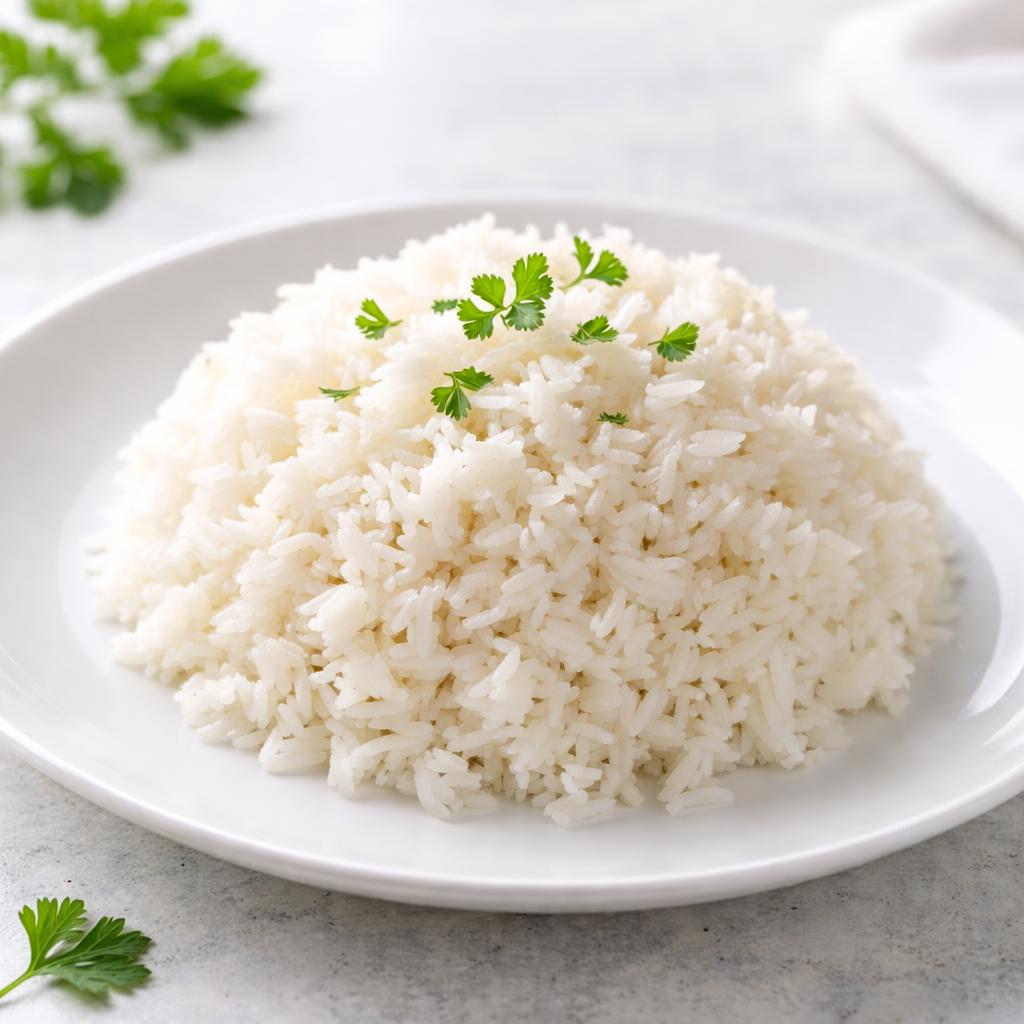
White Rice
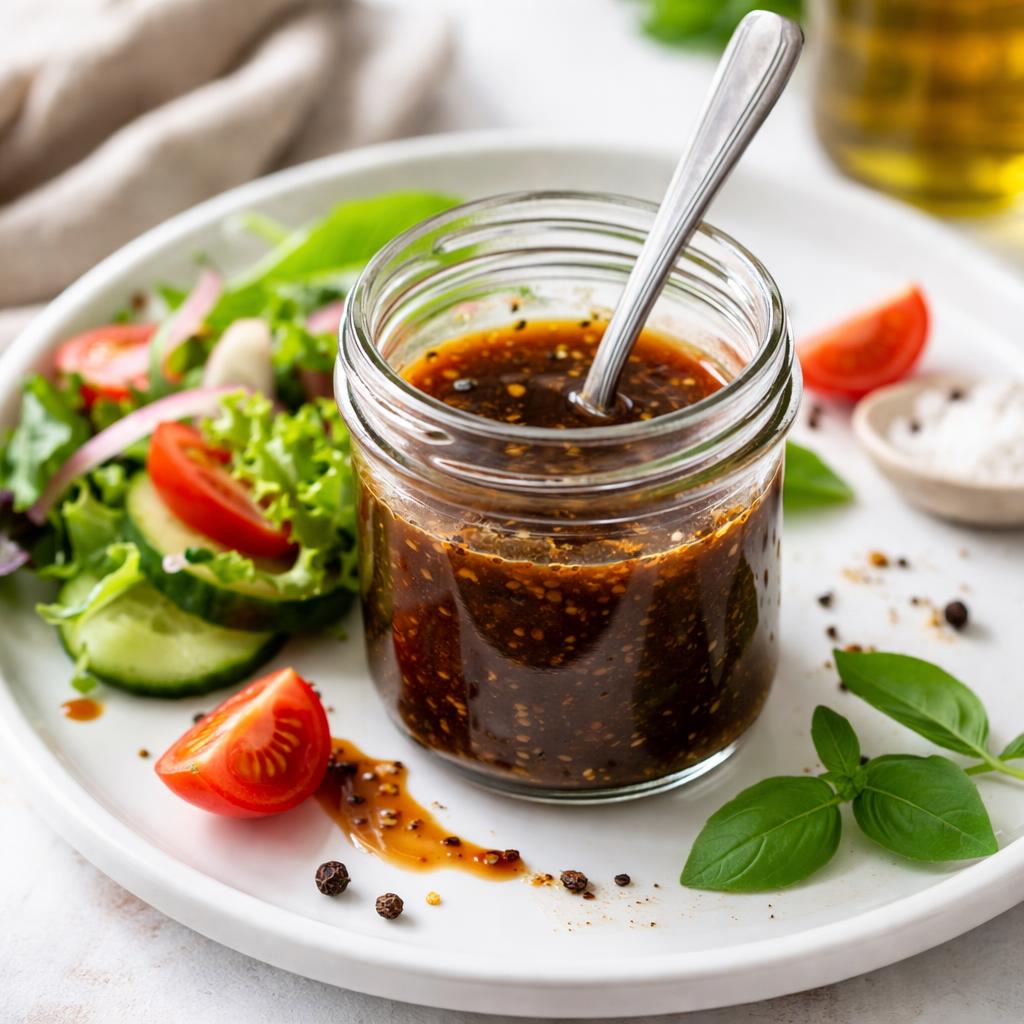
Balsamic Dressing
🎯 Quick Verdict
White rice and balsamic dressing serve very different dietary purposes: white rice is a high-carb energy source, while balsamic dressing adds flavor with minimal calories. White rice provides more protein and calories per serving, while balsamic dressing offers higher fiber content and adds antioxidants from vinegar. White rice works well as a carbohydrate base for meals, whereas balsamic dressing enhances salads and light dishes with flavor and nutrients.

Smart Nutrition Tracking with SnapCalorie

📊 Nutritional Comparison
Macronutrients
| Nutrient | Food 1 | Food 2 | Winner |
|---|---|---|---|
| Calories | 205 calories (per 1 cup cooked) | 35 calories (per 2 tbsp) | ✓ |
| Protein | 4.3g | 0.1g | ✓ |
| Carbs | 44.5g | 6g | ✓ |
| Fat | 0.4g | 0g | ✓ |
| Fiber | 0.6g | 0.1g | ✓ |
Vitamins & Minerals
| Nutrient | Food 1 | Food 2 | Winner |
|---|---|---|---|
| Vitamin D | 0mcg | 0mcg | − |
| Calcium | 16mg | 12mg | ✓ |
| Iron | 0.3mg | 0.2mg | ✓ |
🏆 Category Winners
Protein
White rice contains significantly more protein (4.3g vs 0.1g).
Fiber
Balsamic dressing contributes slight fiber, whereas white rice has minimal fiber.
Calories
Balsamic dressing is extremely low-calorie compared to white rice.
🥗 Diet Compatibility
Keto
Food 1: Not Compatible
Food 2: Compatible
White rice is high in carbs; balsamic dressing fits into keto due to its low-carb profile.
Vegan
Food 1: Compatible
Food 2: Compatible
Both foods are plant-based.
Gluten Free
Food 1: Compatible
Food 2: Compatible
Neither food contains gluten naturally.
Paleo
Food 1: Not Compatible
Food 2: Not Compatible
White rice is excluded from paleo diets, and balsamic dressing may contain added sugars, which are limited in paleo.
Low-Carb
Food 1: Not Compatible
Food 2: Compatible
White rice is carb-heavy, while balsamic dressing is low in carbohydrates.
💪 Health Benefits Comparison
Food 1 Benefits
- Provides a quick and easily digestible energy source from carbohydrates
- Low in fat and cholesterol
- Versatile as a base for many meals, including stir-fries and curries
Food 2 Benefits
- Low-calorie option for enhancing flavor in meals without contributing excess energy
- Contains polyphenols and antioxidants from vinegar that support heart health
- May aid in digestion due to acetic acid content
✅ The Bottom Line
Choose white rice if you need a carbohydrate-rich energy source or a versatile base for a filling meal. Use balsamic dressing when you want to enhance the flavor of meals without adding extra calories, especially in salads or light dishes.
Choose Food 1 for: Energy needs, meal bases, post-workout recovery
Choose Food 2 for: Low-calorie diets, salad enhancement, heart health


