White Rice VS Balsamic
A detailed nutritional comparison
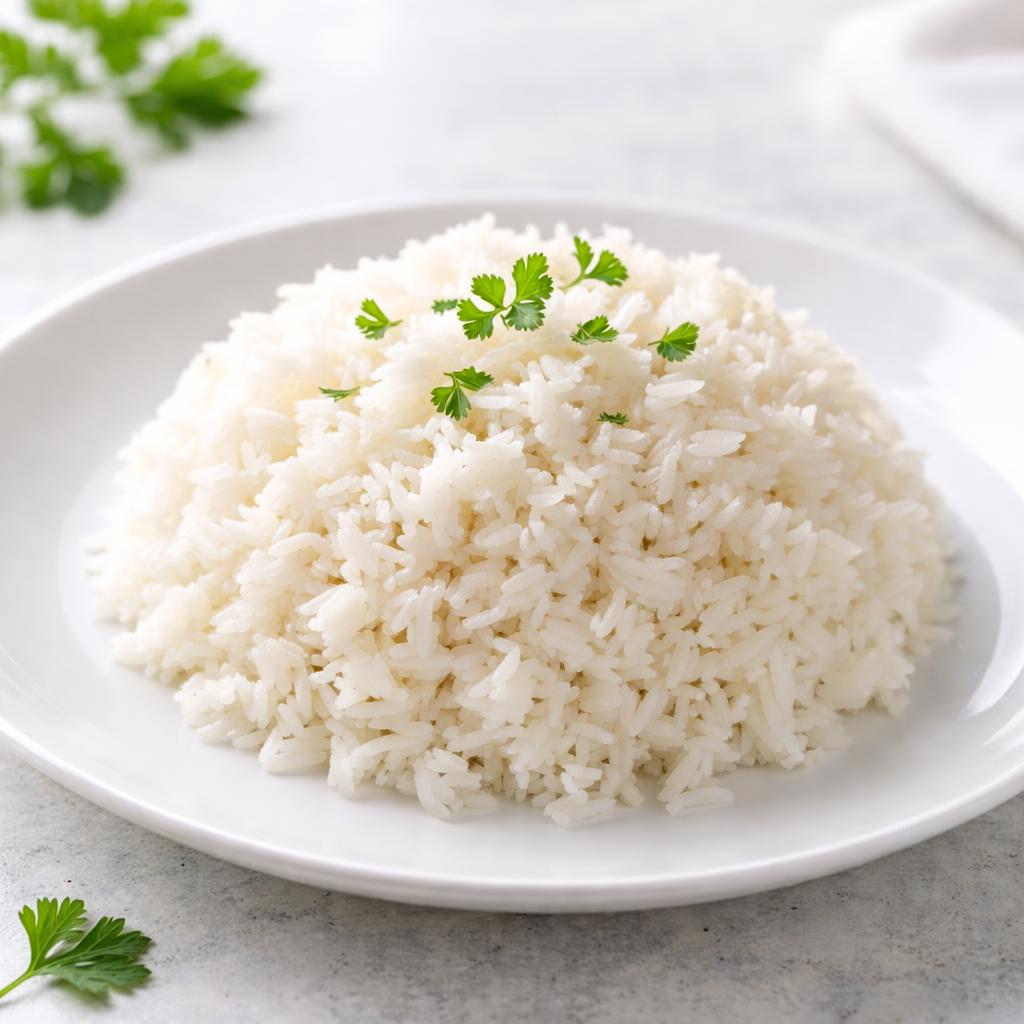
White Rice
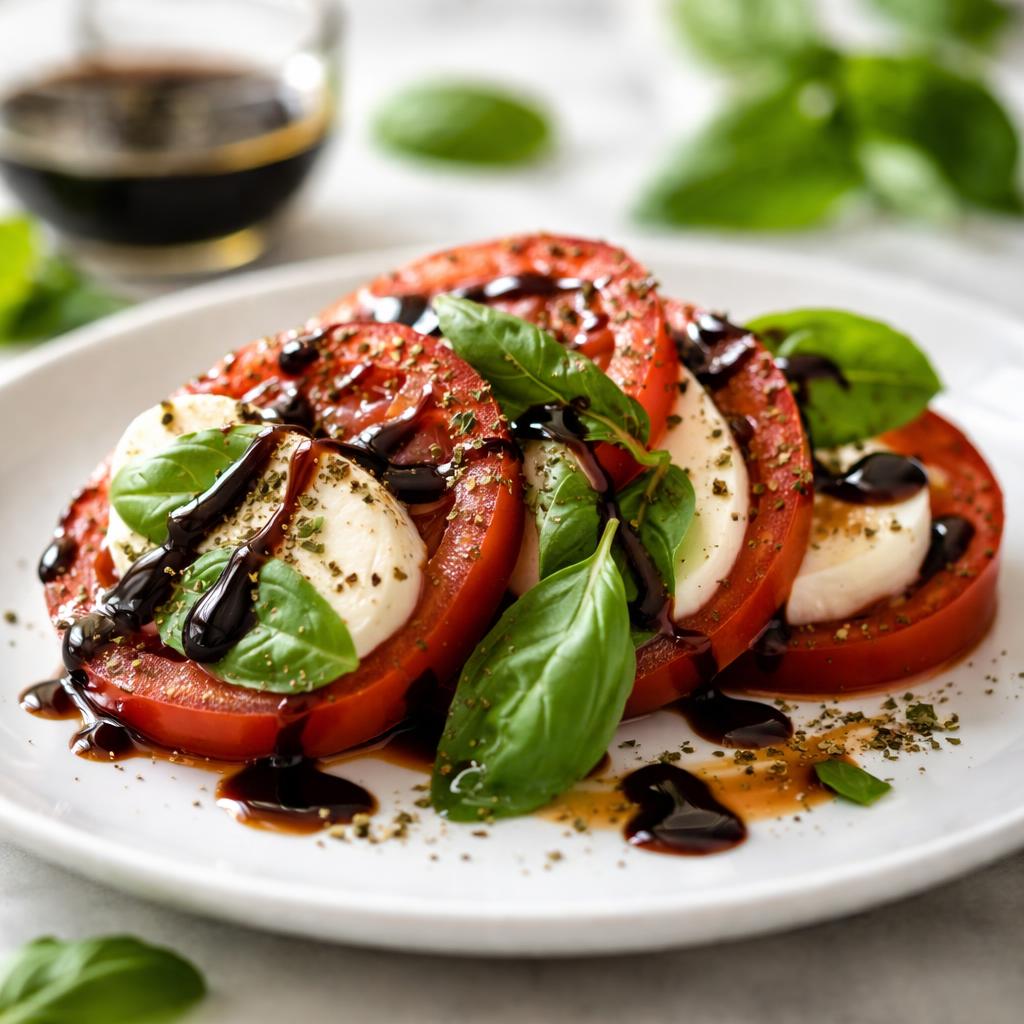
Balsamic
🎯 Quick Verdict
White rice is primarily a source of carbohydrates, offering energy and minimal protein or fiber. Balsamic vinegar is a low-calorie condiment with negligible macronutrients but contributes a small amount of antioxidants and trace minerals. White rice is better for energy needs, while balsamic provides flavor and a touch of health benefits without adding calories.

Smart Nutrition Tracking with SnapCalorie

📊 Nutritional Comparison
Macronutrients
| Nutrient | Food 1 | Food 2 | Winner |
|---|---|---|---|
| Calories | 130 per 100g | 88 per 100ml | − |
| Protein | 2.7g per 100g | 0.5g per 100ml | − |
| Carbs | 28.2g per 100g | 18g per 100ml | ✓ |
| Fat | 0.3g per 100g | 0.1g per 100ml | − |
| Fiber | 0.4g per 100g | 0.8g per 100ml | − |
Vitamins & Minerals
| Nutrient | Food 1 | Food 2 | Winner |
|---|---|---|---|
| Vitamin D | 0mcg | 0mcg | − |
| Calcium | 10mg | 27mg | − |
| Iron | 0.2mg | 0.5mg | − |
🏆 Category Winners
Protein
Neither food is a significant source of protein, and values are negligible.
Fiber
Balsamic has double the fiber compared to white rice.
Calories
Both foods are low in calories within their respective serving sizes.
Vitamins
Balsamic has more calcium and iron in trace amounts.
🥗 Diet Compatibility
Keto
Food 1: Not Compatible
Food 2: Compatible
White rice is high-carb, while balsamic is low-carb.
Vegan
Food 1: Compatible
Food 2: Compatible
Both are plant-based foods.
Gluten Free
Food 1: Compatible
Food 2: Compatible
Neither contains gluten.
Paleo
Food 1: Compatible
Food 2: Not Compatible
White rice is an approved grain for certain paleo variations, but balsamic often has added sugars that are not paleo-friendly.
Low Carb
Food 1: Not Compatible
Food 2: Compatible
White rice is high in carbs per serving, while balsamic is low-carb.
💪 Health Benefits Comparison
Food 1 Benefits
- Easily digestible carbohydrate source for energy
- Low in fat, suitable for low-fat diets
- Gluten-free, making it ideal for individuals with gluten intolerance
Food 2 Benefits
- Low in calories, great for weight management
- Contains acetic acid, which may help regulate blood sugar levels
- Provides antioxidants for cellular health
- Rich in trace minerals like calcium and iron
✅ The Bottom Line
White rice and balsamic vinegar serve very different purposes. Choose white rice for energy and meal bases, but opt for balsamic as a flavorful, low-calorie addition with minor health perks. Neither should be relied on for protein or significant vitamins and minerals.
Choose Food 1 for: Energy provisioning, meal bases, gluten-free diets
Choose Food 2 for: Weight management, flavor enhancement, low-carb diets


