White Rice VS Baked Egg
A detailed nutritional comparison
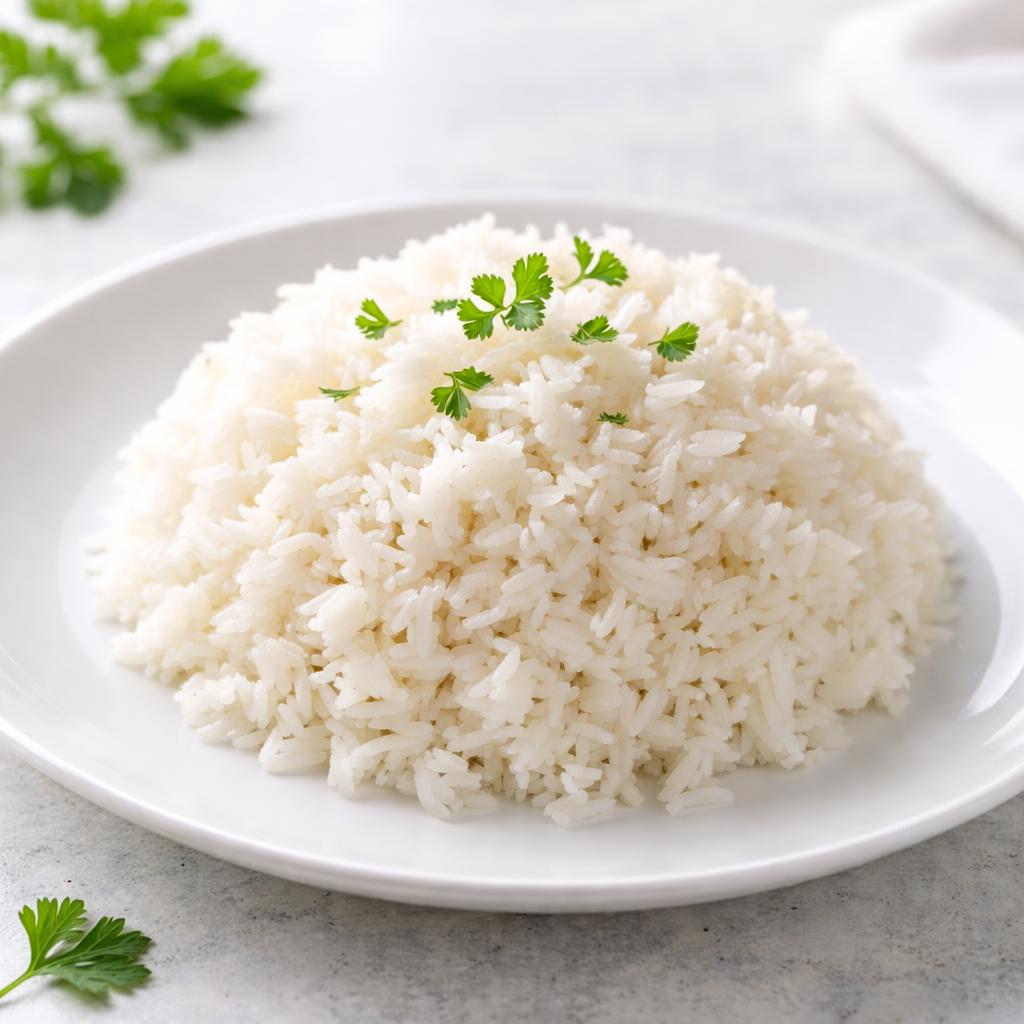
White Rice
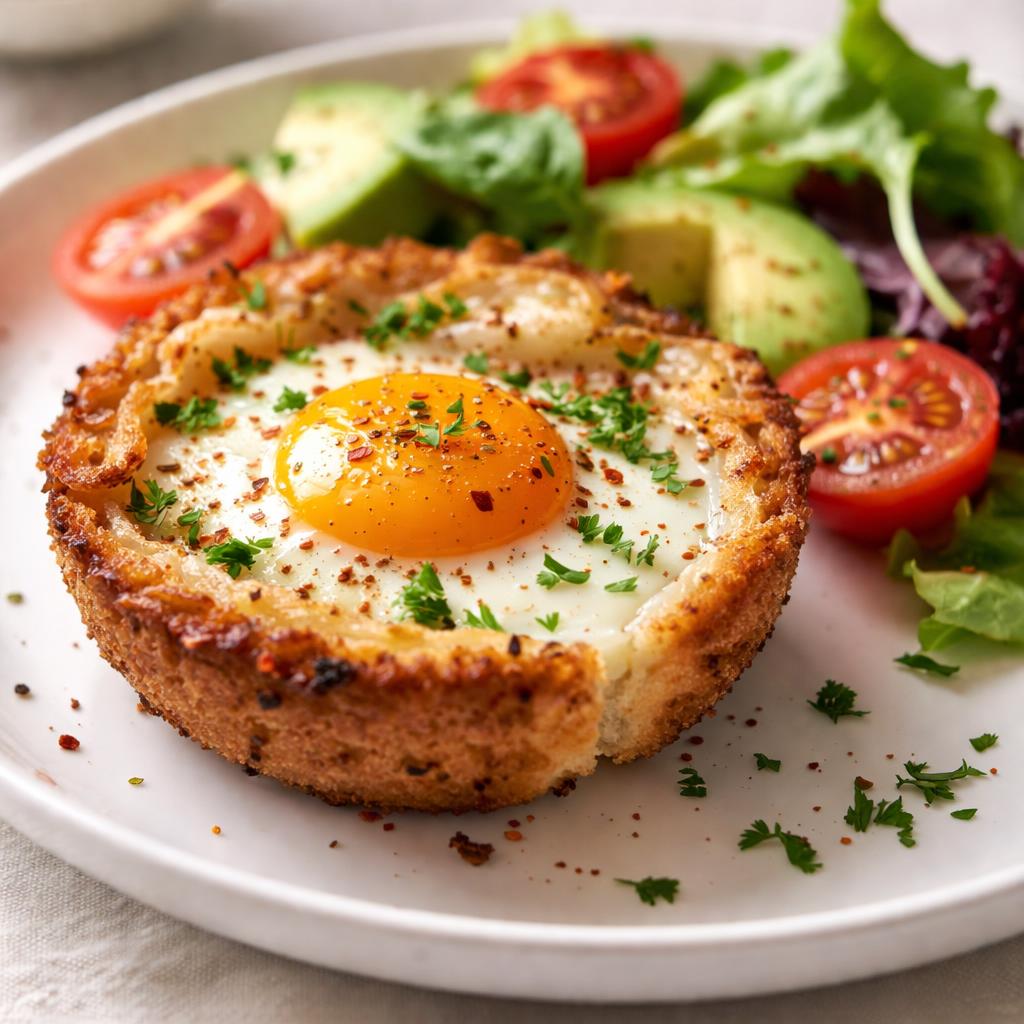
Baked Egg
🎯 Quick Verdict
White rice and baked eggs serve very different dietary roles. White rice is higher in carbohydrates and fiber, making it a good source of quick energy, while the baked egg is richer in protein and vitamins like B12, making it excellent for muscle maintenance and overall health. Baked eggs are also lower in calories, making them a more nutrient-dense choice overall.

Smart Nutrition Tracking with SnapCalorie

📊 Nutritional Comparison
Macronutrients
| Nutrient | Food 1 | Food 2 | Winner |
|---|---|---|---|
| Calories | 130 | 70 | ✓ |
| Protein | 2.7g | 6g | ✓ |
| Carbs | 28.2g | 0.6g | ✓ |
| Fat | 0.3g | 5g | ✓ |
| Fiber | 0.4g | 0g | ✓ |
Vitamins & Minerals
| Nutrient | Food 1 | Food 2 | Winner |
|---|---|---|---|
| Vitamin B12 | 0mcg | 1.1mcg (46% DV) | ✓ |
| Vitamin D | 0mcg | 1mcg (10% DV) | ✓ |
| Iron | 0.2mg | 1.2mg (7% DV) | ✓ |
| Calcium | 10mg | 25mg (2% DV) | ✓ |
🏆 Category Winners
Protein
Baked eggs provide over double the protein compared to white rice.
Fiber
White rice has a small amount of fiber, while baked eggs have none.
Calories
Baked eggs are 46% lower in calories than white rice per serving.
Vitamins
Baked eggs are richer in essential vitamins such as B12, D, and iron.
🥗 Diet Compatibility
Keto
Food 1: Not Compatible
Food 2: Compatible
White rice is high in carbs, while baked eggs are low-carb and high in fat.
Vegan
Food 1: Compatible
Food 2: Not Compatible
Baked eggs are an animal product, whereas white rice is plant-based.
Gluten Free
Food 1: Compatible
Food 2: Compatible
Neither white rice nor baked eggs contain gluten.
Paleo
Food 1: Not Compatible
Food 2: Compatible
White rice is not considered paleo, while baked eggs fit paleo guidelines.
Low Carb
Food 1: Not Compatible
Food 2: Compatible
White rice is high in carbs, while baked eggs are low-carb.
💪 Health Benefits Comparison
Food 1 Benefits
- Good source of quick energy from carbohydrates
- Mild and easy to digest, suitable for sensitive stomachs
- Low in fat, making it a lighter option for meals
Food 2 Benefits
- Excellent source of high-quality protein for muscle repair
- Rich in Vitamin B12, which supports energy metabolism
- Contains Vitamin D for bone health and immune support
- Provides healthy fats important for brain and heart health
✅ The Bottom Line
If you’re aiming for high protein, lower calories, or following a low-carb or keto diet, the baked egg is the clear winner. However, white rice works well as a carbohydrate source for energy or in vegan and gluten-free diets where its simplicity and versatility shine.
Choose Food 1 for: High-energy meals, vegan or gluten-free diets, easy digestion
Choose Food 2 for: Weight management, low-carb/keto diets, increasing protein


